
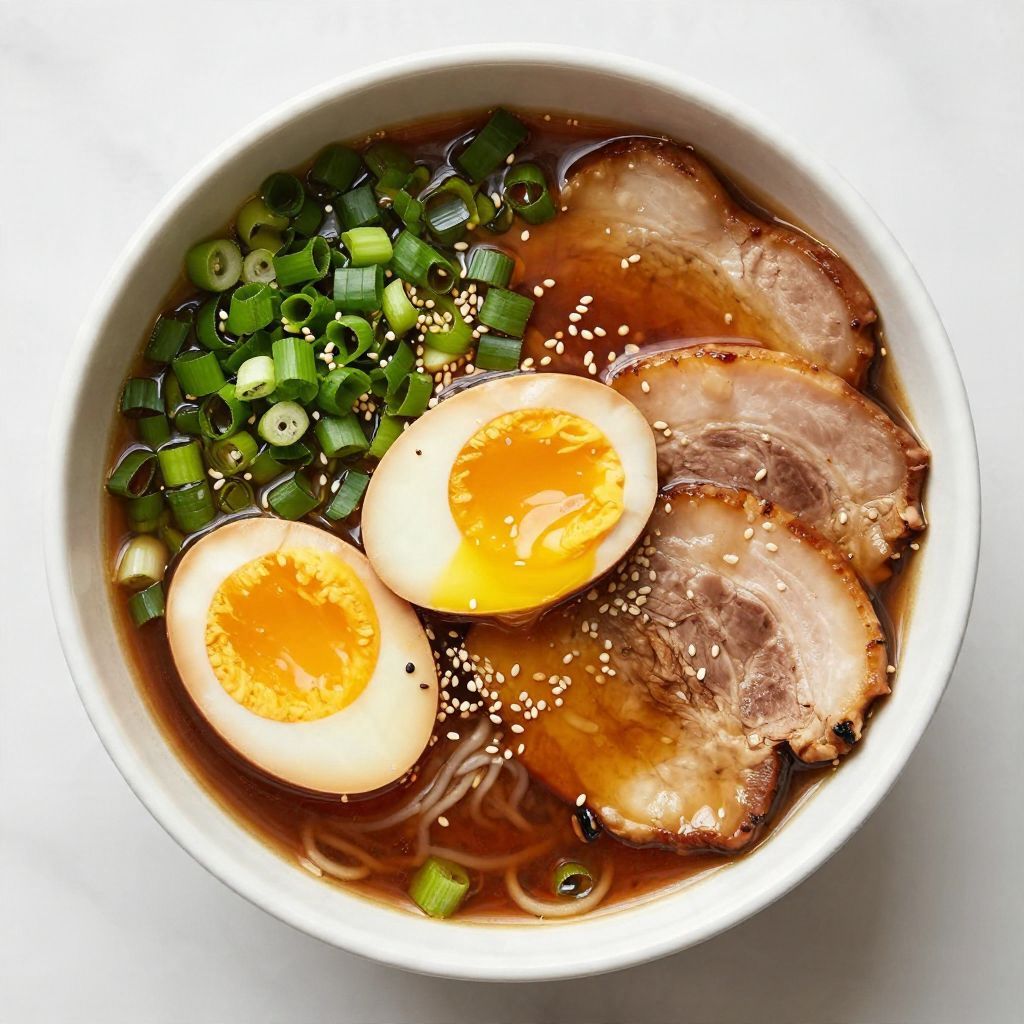
Picture a steaming bowl of ramen, topped with a perfectly marinated egg, its yolk just the right shade of golden and oozing with flavor. The Ramen Egg, or “Ajitsuke Tamago,” adds a delightful touch to any ramen dish, elevating it from good to unforgettable with its savory, sweet, and umami-packed marinade. This recipe is all about achieving that perfectly soft and creamy yolk while infusing each bite with rich flavors.
Not only is it simple to make, but these eggs are also versatile enough to enhance salads, rice bowls, or even as a quick snack. Let’s get started on creating these mouthwatering gems that are sure to impress!
Why You’ll Love This Recipe
This recipe is a delightful addition to your kitchen repertoire. With just a few ingredients and a little patience, you can create a flavor-packed masterpiece.
- Quick prep time with minimal ingredients.
- Enhances the flavor of your ramen and other dishes.
- Perfectly soft-boiled yolk with a rich marinade.
- Versatile for various meals and snacks.
- Impressive to serve for guests or special occasions.
My Experience Making This Recipe
The first time I made Ramen Eggs, I couldn’t believe how easy it was to achieve that restaurant-quality result at home. The aroma of the marinade wafting through the kitchen was simply irresistible.
When I served them to my family, their faces lit up with delight as they broke into the silky yolks. It was a proud moment knowing I could bring a taste of Japan right to our dinner table.
Recipe Overview
- Recipe Name: Ramen Egg
- Servings: 4
- Prep Time: 10 minutes
- Cook Time: 6 minutes
- Total Time: 1 hour (including marinating)
- Course: Appetizer, Side Dish
- Cuisine: Japanese
- Calories per Serving: 70
Equipment You Will Need
- Medium saucepan
- Mixing bowl
- Whisk or fork
- Measuring cups and spoons
- Plastic wrap or airtight container
Ingredients for Ramen Egg
- 4 large eggs
- 1/4 cup soy sauce
- 1/4 cup mirin
- 1 tablespoon sugar
- 1/2 cup water
Ingredient Notes and Substitutions
- Eggs: Essential for the creamy texture, use fresh eggs for the best results. Substitute with pasteurized eggs for a safer option.
- Soy Sauce: Adds umami flavor; use low-sodium soy sauce for a healthier choice. Tamari works as a gluten-free alternative.
- Mirin: This sweet rice wine balances flavors; use rice vinegar mixed with a bit of sugar if unavailable. Avoiding alcohol? Try a mixture of apple cider vinegar and water.
- Sugar: Helps to balance the saltiness; feel free to use honey or agave syrup for a different sweetness. Brown sugar adds a unique depth.
How to Make Ramen Egg
Step 1: Boil the Eggs
Place the eggs in a medium saucepan and cover them with water. Bring the water to a gentle boil to avoid cracking the shells.
Step 2: Cook the Eggs
Once boiling, reduce the heat to a low simmer and cook for exactly 6 minutes. This timing is crucial for achieving that perfect soft center.
Step 3: Ice Bath
Prepare a bowl of ice water. As soon as the cooking time is up, transfer the eggs to the ice bath to stop the cooking process and cool them down quickly.
Step 4: Prepare the Marinade
In a mixing bowl, whisk together soy sauce, mirin, sugar, and water until the sugar dissolves. This mixture will infuse the eggs with flavor.
Step 5: Peel the Eggs
Once cool, gently tap and roll the eggs on a hard surface to crack the shells. Peel them under running water for easier removal.
Step 6: Marinate the Eggs
Place the peeled eggs into the marinade, ensuring they are fully submerged. Cover the bowl with plastic wrap or transfer them to an airtight container.
Step 7: Chill
Refrigerate the eggs for at least 30 minutes, or up to 4 hours for a stronger flavor. The longer they sit, the richer the taste!
Step 8: Serve
Remove the eggs from the marinade and slice them in half. Serve them atop your favorite ramen or enjoy as a savory snack.
Pro Tip: For a unique twist, try adding a splash of sesame oil to the marinade for an extra depth of flavor.
Tips for the Best Ramen Egg
- Use a timer to ensure perfect cooking times; too long will result in a hard yolk.
- Chill the eggs completely to make peeling easier.
- Experiment with marinade times for different flavor intensities.
- Store leftover marinade for future batches of eggs.
- Consider using soft-boiled eggs in other dishes, like salads or grain bowls.
Common Mistakes to Avoid
- Boiling eggs too long will create a hard yolk instead of a soft one.
- Skipping the ice bath may result in overcooked eggs.
- Not peeling under running water can lead to broken eggs.
- Rushing the marinating process will yield less flavor.
- Using old eggs can lead to difficulty in peeling.
Serving Suggestions
These Ramen Eggs pair beautifully with various dishes. Enjoy them in your ramen or as part of a rice bowl for a satisfying meal.
- Top your ramen for an authentic experience.
- Add to a sushi roll for a unique twist.
- Serve on a salad for an extra protein boost.
- Include in a bento box for a delightful lunch.
- Snack on them with a drizzle of sesame oil.
Variations to Try
- Try adding chili flakes for a spicy kick in the marinade.
- Substitute rice vinegar for mirin for a tangy flavor.
- Add a splash of garlic or ginger for an aromatic twist.
- Use different types of soy sauce for varied flavor profiles.
- Experiment with herbal infusions like green tea in the marinade.
Dietary Adaptations
- Gluten-free: Use tamari instead of soy sauce for a gluten-free option.
- Dairy-free: This recipe is naturally dairy-free.
- Vegan/Vegetarian: While not suitable, you can try using tofu marinated similarly.
- Low-carb/Keto: Eggs are low in carbs, making this recipe keto-friendly.
Storage and Reheating
Refrigerator
Store marinated eggs in an airtight container in the refrigerator for up to 4 days.
- Keep them in the marinade for best flavor retention.
- Use a clean utensil to avoid contamination.
Freezer
Freezing is not recommended as it alters the texture of the egg.
- For best results, enjoy them fresh or refrigerated.
Reheating
These eggs are best enjoyed cold or at room temperature.
- If desired, warm gently in a bowl of hot water for a few minutes.
Nutrition Information
| Nutrient | Amount |
|---|---|
| Calories | 70 |
| Total Fat | 4g |
| Saturated Fat | 1g |
| Carbohydrates | 4g |
| Fiber | 0g |
| Sugar | 1g |
| Protein | 6g |
| Sodium | 600mg |
| Cholesterol | 165mg |
This nutritional information is an estimate and will vary based on ingredient brands and preparation methods.
Frequently Asked Questions
Can I use different types of eggs?
Yes, you can use medium or extra-large eggs, but cooking times may vary slightly.
Can I make these eggs ahead of time?
Absolutely! You can marinate them a day in advance for maximum flavor.
How do I store any leftovers?
Store the eggs in their marinade in an airtight container in the refrigerator for up to 4 days.
What should I do if the eggs break while peeling?
Don’t worry! Use them as a topping for a salad or mix them into a rice bowl.
Can I use the marinade again?
You can reuse the marinade for another batch of eggs, but be sure to store it properly.
Final Thoughts
Making Ramen Eggs at home is a fun and rewarding experience. With just a few ingredients, you’ll be able to impress everyone with your culinary skills.
So why not give this recipe a try? You might just find yourself making these eggs a regular addition to your meals.
If you enjoyed this recipe, explore more delicious options like Creamy Ramen Recipe or try the spicy Buldak Ramen Recipe.
Ramen Egg
Ingredients
Equipment
Method
- Place the eggs in a medium saucepan and cover them with water.
- Bring the water to a gentle boil to avoid cracking the shells.
- Once boiling, reduce the heat to a low simmer and cook for exactly 6 minutes.
- Prepare a bowl of ice water.
- Transfer the eggs to the ice bath to stop the cooking process and cool them down quickly.
- In a mixing bowl, whisk together soy sauce, mirin, sugar, and water until the sugar dissolves.
- Once cool, gently tap and roll the eggs on a hard surface to crack the shells.
- Peel them under running water for easier removal.
- Place the peeled eggs into the marinade, ensuring they are fully submerged.
- Cover the bowl with plastic wrap or transfer them to an airtight container.
- Refrigerate the eggs for at least 30 minutes, or up to 4 hours for a stronger flavor.
- Remove the eggs from the marinade and slice them in half.
- Serve them atop your favorite ramen or enjoy as a savory snack.