
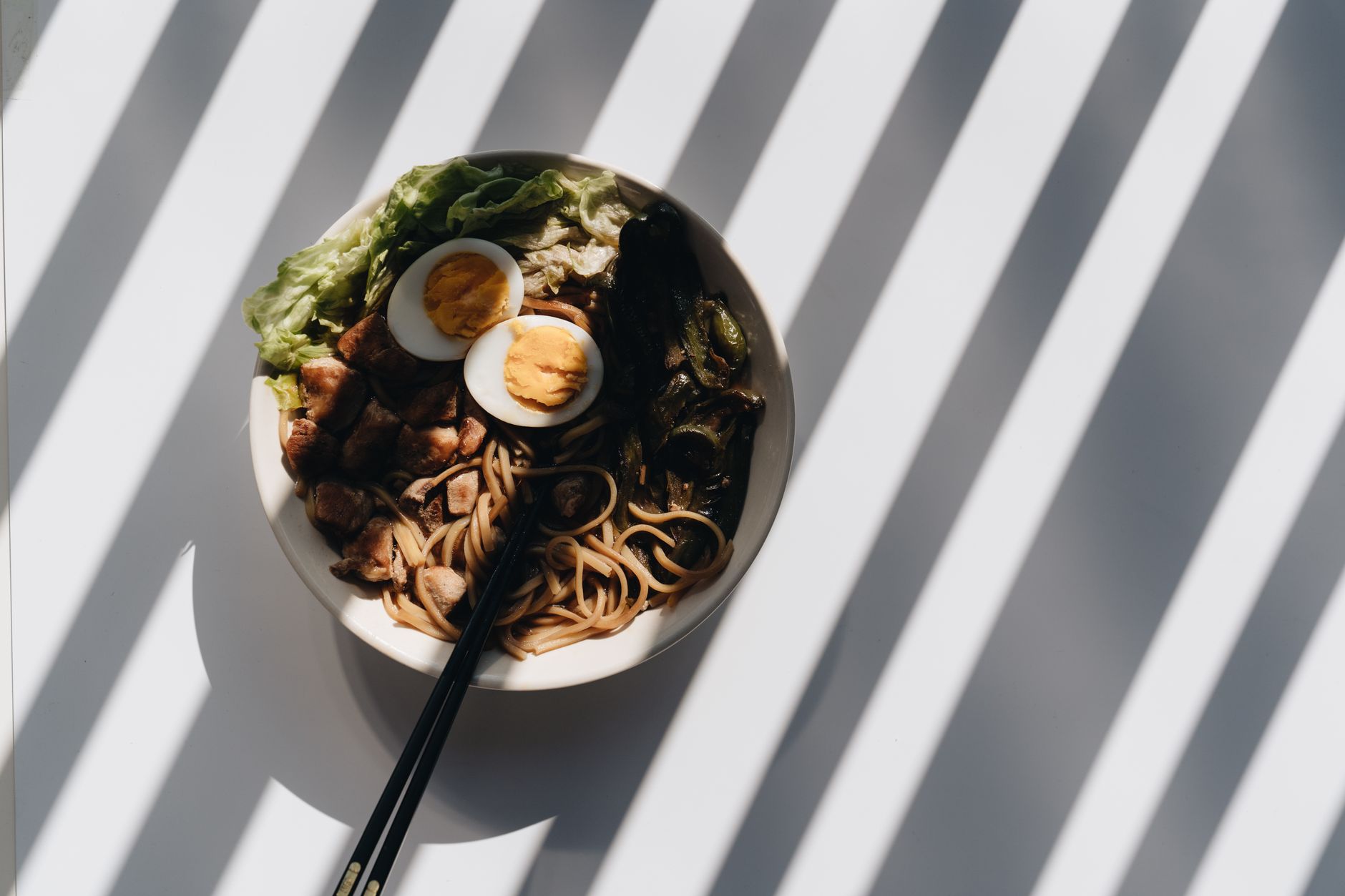
Ramen is a beloved dish known for its comforting qualities, but can it help alleviate the unpleasant symptoms of a hangover? As many people have experienced, hangovers can bring about dehydration, fatigue, and a general sense of malaise. The good news is that ramen may offer some benefits that could aid in recovery.
This article explores how ramen can help soothe a hangover, what ingredients to choose, and how to prepare it effectively. Let’s dive into the essentials of ramen, considering not just flavors, but also nutritional values and hydrating characteristics.
Is Ramen Good for Hangover?
Yes, ramen can be a beneficial dish for hangovers due to its hydrating properties and ability to provide comfort. A well-prepared bowl of ramen can include ingredients that replenish electrolytes, hydrate the body, and provide necessary nourishment.
The Benefits of Ramen for Hangovers
Ramen offers several components that can contribute positively when dealing with a hangover:
- Hydration: Broth-based ramen contains substantial liquid, which helps regain lost fluids and combat dehydration.
- Electrolytes: Using miso or other fermented bases in the broth can contribute sodium and potassium, important for electrolyte balance.
- Comfort Food: The warm, soothing nature of ramen is comforting and can provide a satisfying meal that is easier to consume when feeling unwell.
- Nourishing Ingredients: Elements like vegetables, proteins, and carbohydrates in ramen offer vitamins and energy that can help kickstart recovery.
Choosing Ramen Ingredients
Not all ramen is created equal. When selecting ramen for a hangover, consider focusing on ingredients that will enhance its restorative effects:
- Broth: A light, clear broth (like chicken or vegetable) can help with hydration, while a miso-based broth adds electrolytes.
- Noodles: Wheat-based noodles are commonly used, but rice noodles can be a gluten-free alternative that may digest easier.
- Protein: Options like soft-boiled eggs, tofu, or lean meats add protein to help replenish energy.
- Vegetables: Incorporate greens like spinach, bok choy, or green onions for vitamins, minerals, and fiber.
- Add-Ins: Consider garnishes such as sesame seeds, seaweed, or kimchi for additional flavors and health benefits.
A Simple Ramen Recipe for Hangovers
This straightforward ramen recipe incorporates beneficial ingredients to help ease hangover symptoms and offer comfort. Below are the details:
- Yield: 2 servings
- Preparation Time: 10 minutes
- Cooking Time: 15 minutes
- Total Time: 25 minutes
Ingredients
- 4 cups chicken or vegetable broth
- 2 servings of fresh or dried ramen noodles
- 1 cup bok choy, chopped
- 1/2 cup shiitake mushrooms, sliced
- 2 green onions, sliced
- 2 soft-boiled eggs (optional)
- 2 tablespoons miso paste (optional)
- Salt and pepper to taste
- Sriracha or chili oil (optional)
Essential Equipment
- Large pot
- Skillet (optional)
- Bowl for serving
Cooking Method
- In a large pot, bring the chicken or vegetable broth to a simmer over medium heat.
- If using miso paste, dissolve it in a small bowl with a bit of hot broth, then add it back into the pot.
- Add the bok choy and mushrooms to the simmering broth and let them cook for about 5 minutes.
- Meanwhile, prepare the ramen noodles according to the package instructions in a separate pot.
- Once the noodles are cooked, drain them and divide them between two bowls.
- Pour the hot broth and vegetables over the noodles in each bowl.
- Top with sliced green onions and soft-boiled eggs, if desired.
- Season with salt, pepper, and drizzle with sriracha or chili oil for extra flavor.
Flavor and Texture Considerations
The flavor of this ramen is deeply aromatic and savory, driven by the broth and complemented by the umami-rich mushrooms and miso (if used). The texture contrasts the soft noodles with the crunch of fresh bok choy and the creamy yolk of the soft-boiled egg, creating a satisfying bowl that’s easy to digest.
Practical Substitutions and Variations
If you want to adapt the recipe based on availability or dietary preferences, consider these substitutions:
- Broth: Use vegetable broth for a vegetarian or vegan option; bone broth for added nutrients.
- Noodles: Substitute ramen noodles with rice noodles for a gluten-free alternative.
- Protein: Tofu can be used instead of eggs for a plant-based protein source; chicken can be added for extra substance.
- Vegetables: Feel free to add or swap for whatever vegetables you have on hand, such as carrots or peas.
Common Mistakes to Avoid
While making ramen can be straightforward, a few pitfalls can alter the end result:
- Cooking the noodles too long can lead to them becoming mushy. Follow package instructions closely.
- Adding the miso paste directly to boiling broth can kill its beneficial probiotics—dissolve it in a small amount of broth first.
- Not tasting the broth before serving can result in under-seasoned ramen, so make sure to adjust flavors as needed.
Flavor Combinations and Serving Suggestions
Ramen is highly customizable, providing opportunities for various flavor combinations. Consider these serving suggestions:
- Add a squeeze of lime for a zesty twist.
- Mix in fresh herbs like cilantro or basil for a fragrant kick.
- Top with nuts or seeds like sesame for crunch.
Make-Ahead Guidance
If you want to prepare ramen in advance, here are some tips:
- Cook the broth and vegetables, then refrigerate them separately from the noodles.
- Consider cooking a batch of noodles ahead of time and storing them in a sealed container with a little oil to prevent sticking.
- Reheat broth and assemble your ramen bowls just before serving for the freshest taste.
Storage and Reheating
Leftover ramen can be stored in the refrigerator for about 2-3 days. When reheating:
- Heat the broth on the stove and add the noodles last to avoid overcooking them.
- If you have added vegetables, consider adding some fresh ones when reheating for added texture.
Additional Tips for Hangover Recovery
Along with enjoying ramen, here are some additional strategies for hangover recovery:
- Stay Hydrated: Water or electrolyte drinks are crucial for rehydration.
- Rest: Ensure you get adequate sleep to help your body recover.
- Light Meals: Besides ramen, opt for other light meals that are easy to digest, like toast or bananas.
Ramen can serve as more than just a comforting meal; it can assist in recovery from a hangover while providing much-needed nourishment and hydration. By choosing the right ingredients and making simple modifications, you can create a flavorful bowl that’s both satisfying and beneficial.
Explore more delicious ramen recipes, like Creamy Ramen Recipe or take a look at the exciting Buldak Ramen Recipe for a spicy kick! Enjoy your culinary journey with these delightful dishes.