
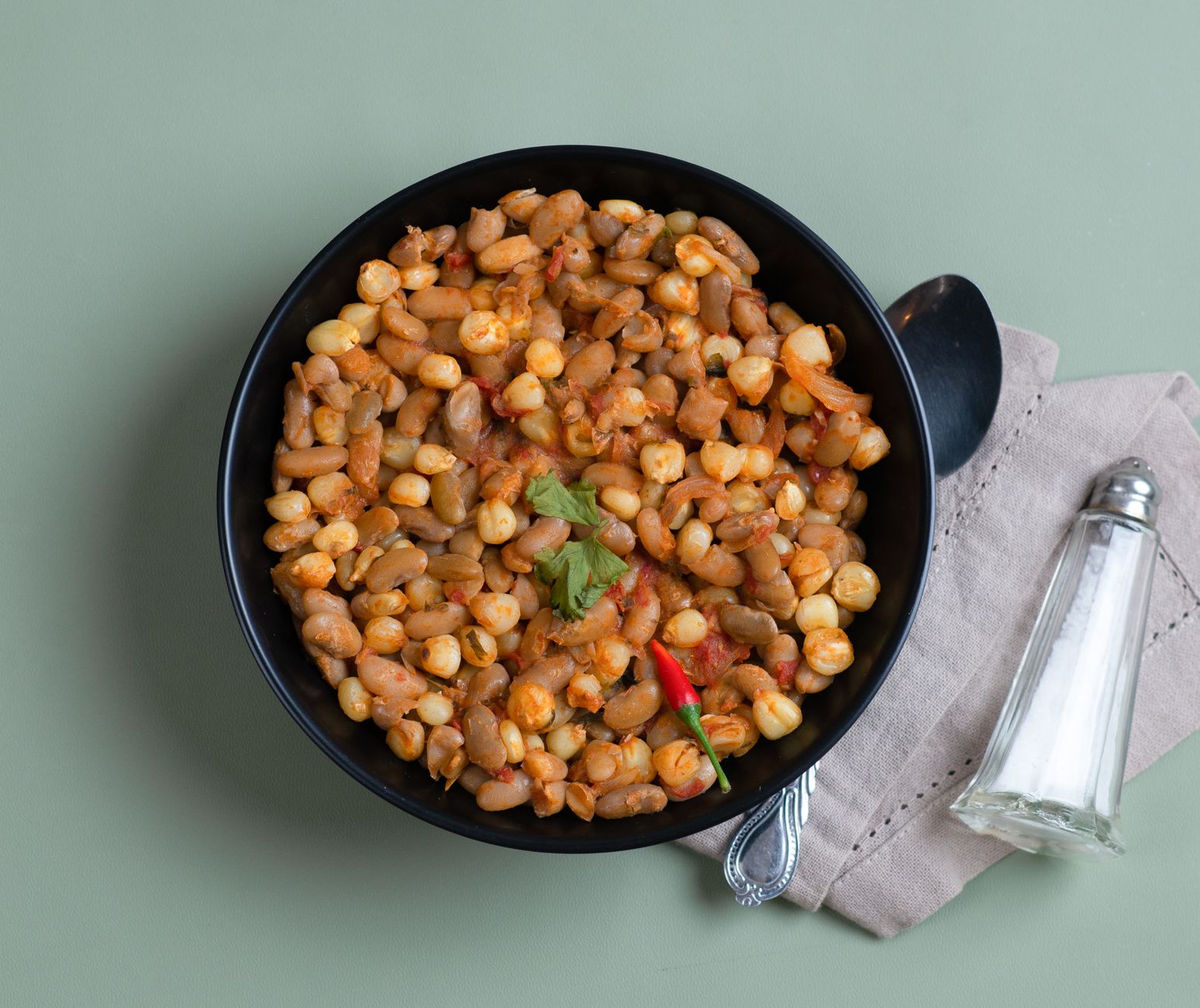
Beans are a staple ingredient in many diets around the world, renowned for their nutritional benefits and versatility. When considering how many carbs beans contain, understanding their role in your meals can be crucial, especially for those managing their carbohydrate intake.
This guide delves into the carbohydrate content of various types of beans, their health benefits, and practical tips for incorporating them into your meals.
How Many Carbs in Beans?
The carbohydrate content in beans varies depending on the type. Generally, most beans contain about 15-30 grams of carbohydrates per cooked cup. This includes fiber, which is a beneficial component of their carb content, helping to regulate blood sugar levels.
Types of Beans and Their Carbohydrate Content
Beans come in many varieties, each with its unique flavor, texture, and nutritional profile. Below is a list of some popular beans and their average carbohydrate content per cooked cup:
- Black beans: Approximately 40 grams of carbohydrates, with about 15 grams of fiber.
- Pinto beans: About 45 grams of carbohydrates, including about 15 grams of fiber.
- Kidney beans: Roughly 40 grams of carbohydrates, with 13 grams of fiber.
- Lentils: Close to 40 grams of carbohydrates, with around 16 grams of fiber.
- Great Northern beans: About 45 grams of carbohydrates, with 11-12 grams of fiber.
- Chickpeas (Garbanzo beans): Approximately 45 grams of carbohydrates, including 12 grams of fiber.
Fiber: The Unsung Hero in Beans
While calculating carbohydrates, it’s essential to consider fiber, as it plays a vital role in digestion and overall health. Fiber is included in the total carbohydrate count but does not raise blood sugar levels, making it beneficial for those watching their carbohydrate intake.
For someone following a low-carb or ketogenic diet, the net carbs (total carbs minus fiber) would be more relevant. Here’s a brief look at how to calculate net carbs:
- Find the total carbohydrates in the beans.
- Subtract the fiber content.
For example, if a cup of black beans has 40 grams of carbohydrates and 15 grams of fiber, the net carbs would be 25 grams.
Health Benefits of Beans
In addition to their carbohydrate content, beans offer various health benefits:
- Protein source: Beans are an excellent plant-based protein source, making them an ideal option for vegetarians and vegans.
- Rich in nutrients: Beans contain essential vitamins and minerals, such as iron, potassium, and magnesium.
- Heart health: Regular consumption of beans has been associated with lower cholesterol levels, contributing to heart health.
- Weight management: The high fiber and protein content in beans can promote fullness, aiding in weight management.
- Blood sugar control: Beans help to stabilize blood sugar levels due to their low glycemic index.
How to Incorporate Beans into Your Diet
Incorporating beans into your meals doesn’t have to be complicated. Here are some practical tips:
1. Meal Prep with Beans
Beans can be prepared in advance and stored for use throughout the week. Cooking a large batch can save time and ensure you always have a healthy option on hand. Here’s how to do it:
- Soak dry beans overnight to reduce cooking time.
- Drain and rinse the beans, then boil them until tender (usually 1-2 hours).
- Cool and portion them into containers for easy access.
- Store in the refrigerator for up to a week or freeze for longer storage.
2. Use Beans in Salads
Beans add a hearty texture and protein boost to salads. Consider mixing kidney beans or chickpeas with spinach, cherry tomatoes, and a lemon vinaigrette for a quick meal.
3. Add to Soups and Stews
Beans can serve as a base or a supplement in many soup and stew recipes. They enhance the dish’s nutritional profile and add depth of flavor.
4. Be Creative with Flavors
Experiment with spices and herbs to bring out the best in your beans. Ingredients like garlic, cumin, and chili powder can elevate their taste in various cuisines.
Common Mistakes When Cooking Beans
Cooking beans might seem straightforward, but certain mistakes can affect their texture and cooking time. Here are some common pitfalls:
- Not soaking dry beans: Soaking can significantly reduce cooking time and improve digestibility.
- Overcooking: Beans can become mushy if cooked too long. Aim for doneness where they are tender yet still hold their shape.
- Adding salt too early: Salt can toughen the beans’ skins, so add it towards the end of the cooking process.
Storage and Reheating Tips
To maintain the quality of cooked beans, follow these storage and reheating guidelines:
- Store leftover cooked beans in an airtight container in the refrigerator for up to a week.
- For longer storage, freeze cooked beans in a single layer before transferring them to a freezer-safe bag.
- To reheat, add beans to your dish while it cooks or microwave them until heated through.
Conclusion
Beans are not only a valuable source of carbohydrates but also packed with nutrition and health benefits. Their versatility makes them an excellent addition to a variety of meals, from salads to soups. By understanding their carbohydrate content and how to incorporate them into your diet, you can enjoy their many flavors and health perks.
For more delicious recipes featuring beans, check out our Southern Pinto Beans Recipe and explore the tasty options available with our Great Northern Beans Recipe.