
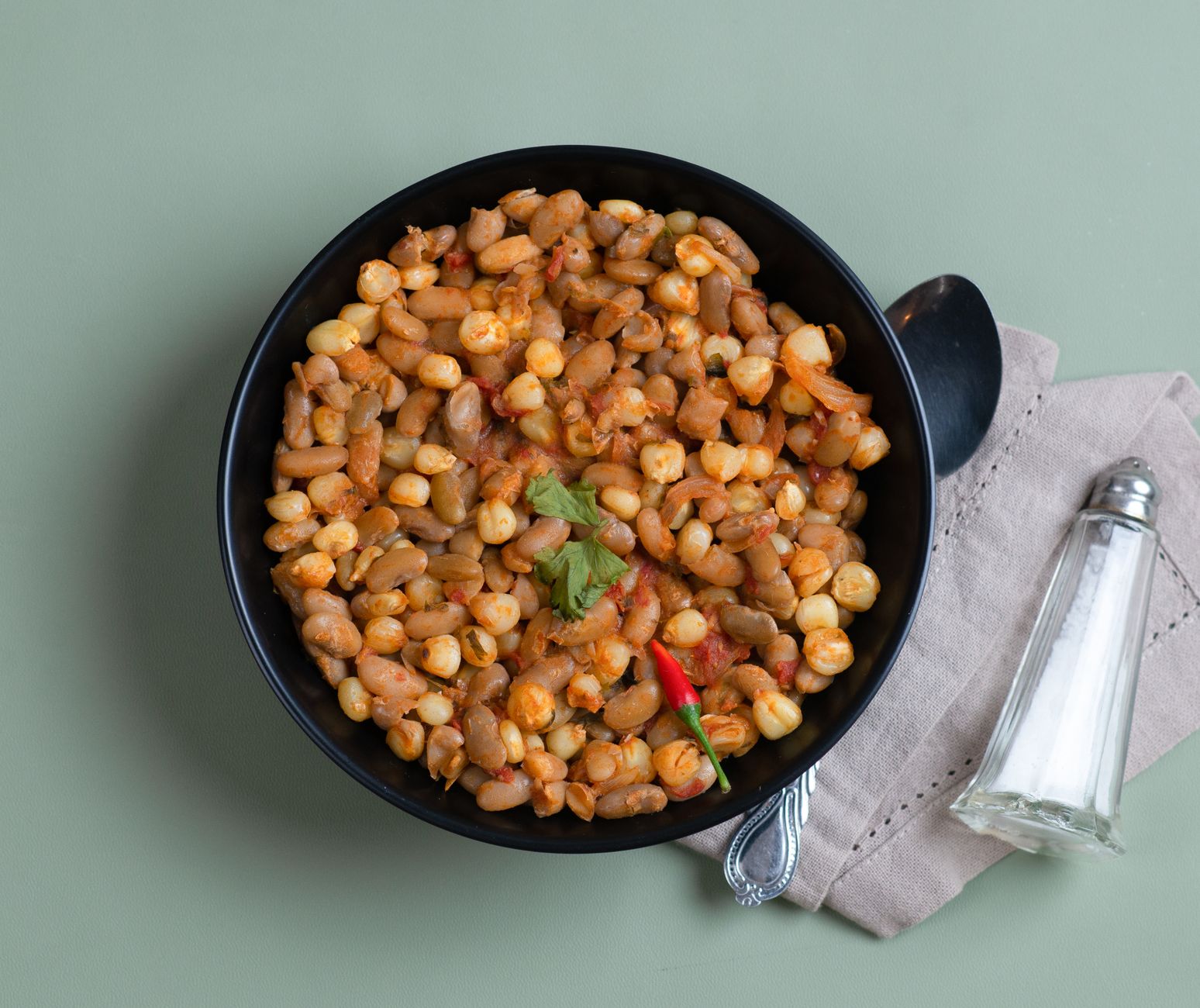
Beans are a staple in many diets around the world, recognized for their nutritional value and versatility in cooking. The question on whether beans are primarily a source of protein or carbohydrates is common among health-conscious individuals and cooks alike.
This article dives into the nutritional profile of beans, exploring their protein and carbohydrate content along with serving size details. Understanding this can help you make informed dietary choices and enhance your meal planning.
Is Beans Protein or Carbohydrate?
Beans are considered both a source of protein and carbohydrates. They are nutrient-dense legumes that provide a balanced profile crucial for a healthy diet. While they contain a significant amount of protein, they also offer complex carbohydrates, making them a well-rounded food choice.
The Nutritional Profile of Beans
Beans are rich in a variety of nutrients, including protein, carbohydrates, fiber, and essential vitamins and minerals. Their specific nutritional profile can vary depending on the type of bean, but they generally share common nutritional attributes.
Protein in Beans
Beans are an excellent source of plant-based protein, making them particularly beneficial for vegetarians and vegans. The protein content in beans can range from about 15 to 25 grams per cooked cup, depending on the variety. For instance:
- Black Beans: Approximately 15 grams of protein per cooked cup
- Pinto Beans: About 15 grams of protein per cooked cup
- Chickpeas (Garbanzo Beans): Around 14.5 grams per cooked cup
- Kidney Beans: Roughly 15 grams of protein per cooked cup
These amounts contribute to a significant portion of the daily protein requirement, especially when combined with other protein sources.
Carbohydrates in Beans
Beans are also high in carbohydrates, primarily in the form of dietary fiber and starch. A typical serving of beans contains approximately 30 to 45 grams of carbohydrates per cooked cup, depending on the type. Key points include:
- Black Beans: About 40 grams of carbohydrates per cooked cup, including 15 grams of fiber
- Pinto Beans: Approximately 45 grams of carbohydrates per cooked cup, with 15 grams of fiber
- Chickpeas: Around 45 grams of carbohydrates per cooked cup, with 12 grams of fiber
- Kidney Beans: Roughly 40 grams of carbohydrates per cooked cup, comprising about 13 grams of fiber
Understanding Servings and Measurements
When determining how beans fit into your meal plan, it’s crucial to understand serving sizes and how to measure them. A standard serving size for beans is typically one cooked cup, but this can vary based on the recipe or dietary needs.
Typical Serving Sizes
Here are some common measurements for beans:
- 1/4 cup dried beans (uncooked) yields approximately 1 cup of cooked beans
- 1 cup of cooked beans can be considered one serving in most recipes
- 1 tablespoon of bean flour typically contains about 2 grams of protein and 5 grams of carbohydrates
Cooking Tips for Beans
When cooking dried beans, proper preparation is key for maximizing their nutritional benefits.
- Rinse the dried beans under cold water to remove any debris or dirt.
- Soak the beans overnight in a large bowl of water to rehydrate them and reduce cooking time. Use a ratio of 3 cups of water for each cup of dried beans.
- Drain and rinse the soaked beans before cooking. Place them in a pot with fresh water in a ratio of 3:1 (water to beans).
- Bring the water to a boil, then reduce the heat to low. Simmer for 1 to 2 hours, or until tender.
- Season during the last 10 to 15 minutes of cooking to avoid hardening the beans.
Beans as Part of a Balanced Diet
Incorporating beans into a balanced diet can provide significant health benefits. They are low in fat, high in fiber, and packed with vitamins and minerals. Here are some potential benefits of including beans in your meals:
- Heart Health: Beans have been linked to improved heart health due to their fiber and nutrient content.
- Weight Management: Their protein and fiber can promote satiety, helping to control hunger and weight.
- Blood Sugar Control: Beans can help stabilize blood sugar levels, making them an excellent choice for diabetes management.
Popular Ways to Use Beans in Meals
Beans can be used in various ways, whether as a side dish, main course, or ingredient in other dishes. Here are some popular recipes featuring beans:
1. Black Bean Soup
This hearty soup is rich in protein and flavor.
- 2 cups cooked black beans
- 1 onion, diced
- 3 cloves garlic, minced
- 4 cups vegetable or chicken broth
- 1 teaspoon cumin
- Salt and pepper to taste
2. Southern Pinto Beans
A comforting dish best served with cornbread or rice.
- 2 cups cooked pinto beans
- 1 onion, diced
- 1 bell pepper, chopped
- 2 cups vegetable or chicken broth
- 1 teaspoon smoked paprika
- Salt and pepper to taste
Alternatives and Substitutions
When cooking with beans, you may encounter recipes calling for specific types of beans. Here are some reliable alternatives you can use:
- Black Beans: Substitute with cooked kidney beans or navy beans.
- Pinto Beans: Use black beans or cannellini beans in a pinch.
- Chickpeas: Great substitutes include lentils or white beans.
While many types of beans can be interchanged, be mindful of the flavor profiles and textures they bring to a dish.
Common Mistakes When Cooking Beans
When preparing beans, it’s easy to make mistakes that can affect the final outcome. Here are some tips to avoid common pitfalls:
- Not soaking dried beans long enough. Soaking helps reduce cooking time and improves texture.
- Overcooking beans can lead to a mushy texture. Keep an eye on them as they simmer.
- Adding salt or acidic ingredients (like tomatoes) too early can toughen beans, so add it later in cooking.
Storage and Reheating of Beans
Proper storage of beans is crucial to maintain their quality and safety:
Cooked Beans
- Store in an airtight container in the refrigerator for up to 5 days.
- Cooked beans can be frozen for 3-6 months. Allow them to cool completely before transferring to freezer-safe bags.
Reheating Cooked Beans
- Reheat beans on the stovetop over medium heat, adding a splash of water or broth to keep them moist.
- Microwave on medium power, stirring occasionally until heated through.
Conclusion
Beans are a wonderful food source, offering both protein and carbohydrates along with a host of other nutrients. Understanding how to incorporate beans into your cooking can lead to healthier meals and enhanced flavor profiles. Consider adding beans to salads, soups, stews, and main courses for a filling and nutritious addition to your diet.
For more inspiration, explore our recipes such as Black Bean Soup and Southern Pinto Beans. These dishes highlight the versatility and deliciousness of beans, elevating your meal planning and cooking to new heights.