
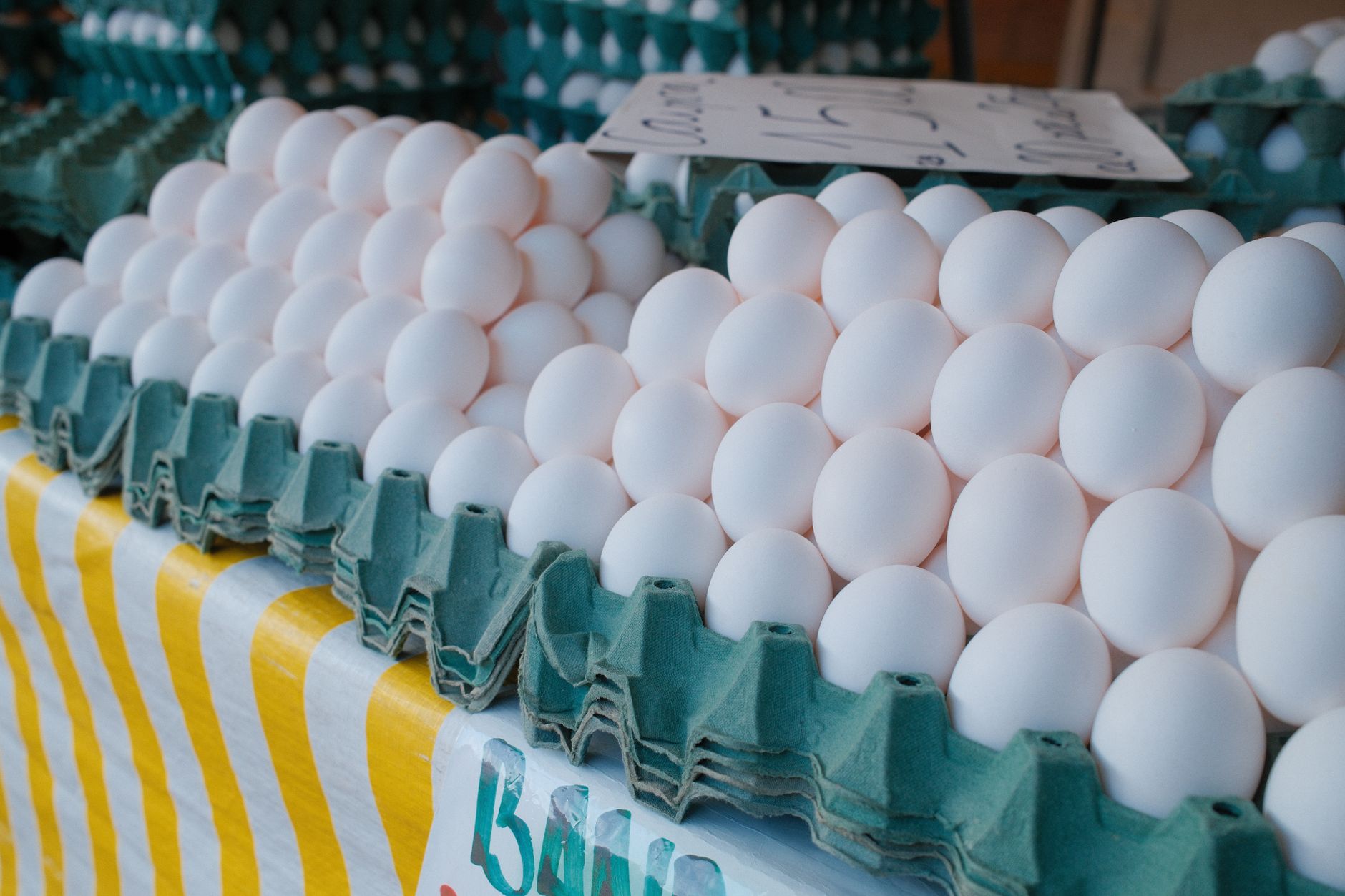
Eggs are a staple ingredient in kitchens worldwide, celebrated for their versatility and nutritional value. When you purchase eggs, they typically come in cartons, but have you ever wondered how many eggs are actually in a carton and how that impacts your cooking and meal planning?
This article will explore carton sizes, typical egg quantities, and serving sizes, ensuring you have a solid understanding of how to manage your egg inventory. Whether you’re baking, cooking, or meal-prepping, knowing how many eggs are in a carton can help you plan more effectively.
How Many Eggs Are in a Carton?
The number of eggs in a carton can vary based on the carton size and type. The most common carton sizes are 12, 18, and, less frequently, 24. The standard size used in most households is the dozen, which contains 12 eggs. However, understanding these variations will help you better navigate the grocery store and your recipes.
Common Egg Carton Sizes
Here are the standard sizes for egg cartons and the corresponding number of eggs:
- Dozen Carton: 12 eggs
- 18-Cartons: 18 eggs
- Extra-Large Cartons: 24 eggs
- Half-Dozen Cartons: 6 eggs
This variety gives consumers options depending on their needs, whether for everyday use or special occasions when larger quantities may be required.
Why Egg Quantity Matters in Cooking
Understanding the number of eggs per carton is crucial for various reasons:
- Recipe Accuracy: Many recipes call for a specific number of eggs. Knowing exactly how many you have helps in following recipes without improvisation.
- Cost Efficiency: Buying in bulk can save money overall and reduce trips to the grocery store.
- Meal Planning: When planning meals for a week or special occasions, being aware of how many eggs you have makes it easier to organize your shopping list and meal prep.
Egg Serving Sizes
Eggs are a nutritious addition to many meals. Understanding serving sizes can help you determine how many eggs you actually need.
Standard Serving Size
The standard serving size generally considered for eggs is:
- 1 large egg: Approximately 70 calories, 6 grams of protein, and varying amounts of vitamins and minerals.
Most meals—for breakfast, lunch, or dinner—often feature 1 to 3 eggs per serving, depending on your dietary needs and preferences.
Using Eggs in Different Recipes
Eggs are used in various cooking methods and recipes, ranging from breakfast dishes to desserts. Knowing the standard quantities and serving sizes can influence your meal planning:
- Omelettes: Typically require 2-3 eggs per serving.
- Baking: Cookies and cakes might require egg counts ranging from 1 to 4, depending on the recipe.
- Quiches: Usually call for 3-5 eggs for a standard pie dish.
Egg Uses and Baking Essentials
In baking, understanding how eggs contribute to the structure, moisture, and leavening of your baked goods is fundamental. Here’s a breakdown of how eggs function in various baking scenarios:
- Leavening: Beaten eggs can introduce air into the batter, helping cakes rise.
- Binding: Eggs bind ingredients together in dishes like meatloaf or soufflés.
- Moisture: Eggs add moisture to baked goods, which is vital for texture.
Ingredient Substitutions for Eggs
If you’re running low on eggs or need an alternative for dietary reasons, consider these substitutes:
- Applesauce: Use 1/4 cup of applesauce to replace 1 egg in baking.
- Chia Seeds: Mix 1 tablespoon of chia seeds with 3 tablespoons of water and let it sit for 15 minutes for each egg replacement.
- Flaxseed Meal: Similar to chia seeds, use 1 tablespoon of flaxseed meal mixed with 2.5 tablespoons of water for each egg.
Note that while these substitutions work well in many recipes, they may alter the texture and flavor of your final dish.
Common Mistakes When Buying and Storing Eggs
To ensure you’re making the best use of the eggs you buy, be aware of these common pitfalls:
- Purchasing Too Many: Buying more eggs than you can use in a reasonable time frame may lead to waste if they expire.
- Improper Storage: Store eggs in their original carton in the coldest part of your refrigerator, not in the door, to maintain freshness.
- Ignoring Expiration Dates: Always check the “sell by” and “expiration” dates to ensure the eggs are safe and fresh.
How to Tell if Eggs Are Fresh
Ensuring your eggs are still good to use is crucial for cooking safely. Here are some methods to determine freshness:
- The Float Test: Fill a bowl with water and gently place the egg in it. If it sinks and lays flat, it’s fresh. If it stands upright or floats, it’s stale.
- Smell Test: A rotten egg will emit a foul odor. If you notice any unusual smell when cracking the egg, discard it immediately.
Cooking and Reheating Eggs
When preparing eggs, proper cooking techniques help achieve the best flavor and texture.
- Scrambled Eggs: Cook over medium heat, stirring gently, until the desired consistency is reached.
- Boiled Eggs: Boil for 9-12 minutes depending on how firm or soft you want the yolk.
For storage, cooked eggs can be stored in the refrigerator for up to 3 days. Reheat gently on the stovetop or microwave to maintain quality.
Summary and Next Steps
Understanding the number of eggs in a carton aids in accurate meal planning and cooking. The common cart sizes, from dozens to half-dozens, cater to various cooking needs. Consider serving sizes and the function of eggs in your culinary endeavors to optimize your meals.
Now that you have your egg knowledge in hand, explore more about egg nutrition with calorie counts in scrambled eggs or learn how long you can safely keep eggs in your refrigerator by visiting this guide on egg storage.