
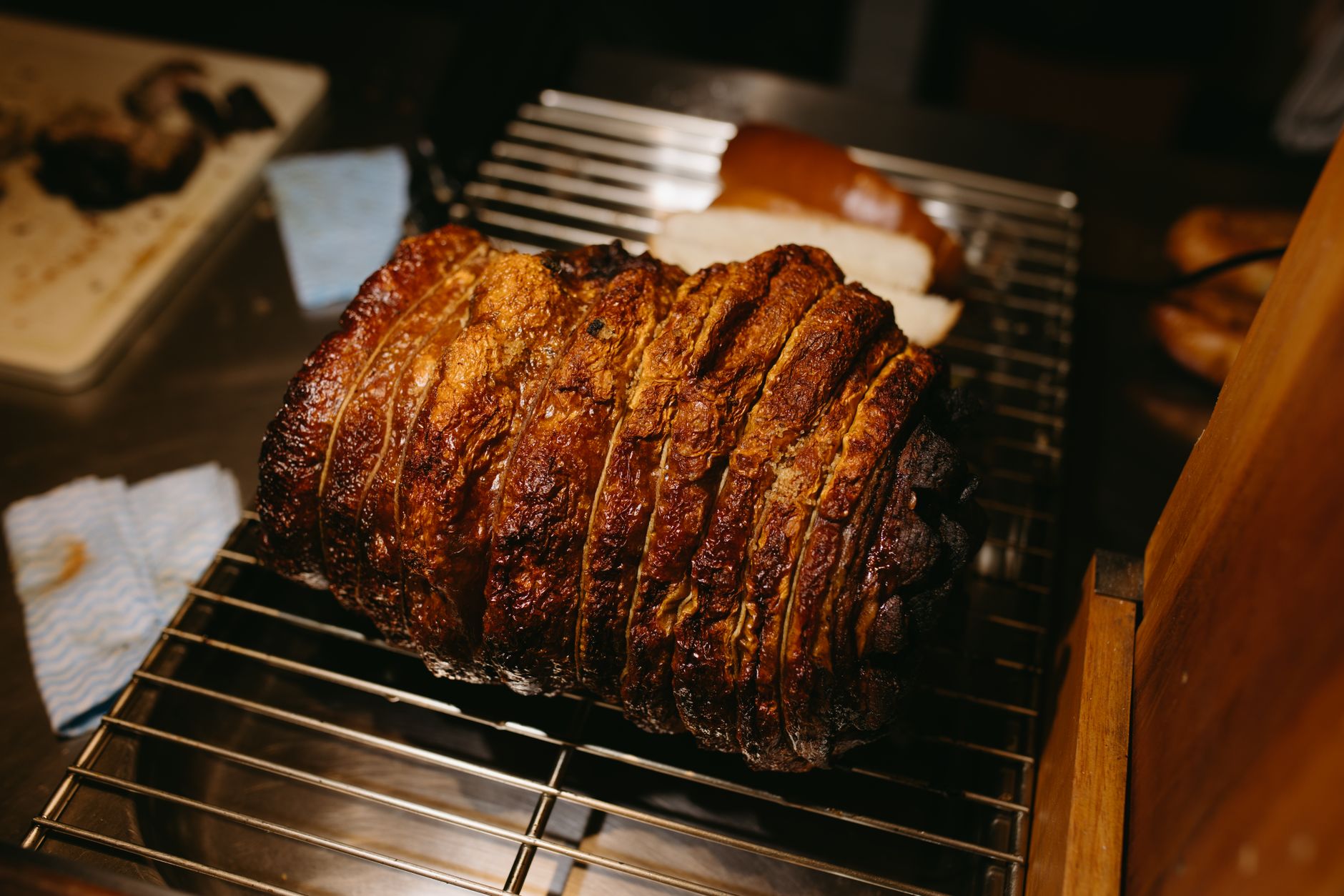
Cooking pork roast can be a delightful experience, combining rich flavors and tender textures. However, ensuring that it is cooked to perfection can be a bit tricky without the right knowledge. Understanding the right cooking temperature and timing for a pork roast is essential for both flavor and food safety.
The best way to determine if your pork roast is done is by using a meat thermometer. After reaching the proper internal temperature, the pork should rest for a few minutes before carving. This article will guide you through everything you need to know about cooking pork roast to the perfect temperature, including timing, techniques, and tips for success.
What Temp Is Pork Roast Done?
The minimum safe internal temperature for pork roasts is 145°F (63°C). At this temperature, the meat will be juicy and flavorful. However, if you prefer a more tender cut, such as pulled pork, aim for higher temperatures, between 195°F (90°C) to 205°F (96°C). Cooking the pork to these higher temperatures breaks down the connective tissue, resulting in a more tender texture.
Understanding Pork Cuts
Different cuts of pork roasts come with different textures and flavors. Knowing these distinctions will help you choose the right cut for your meal:
- Pork Loin: This cut is quite lean and can be roasted whole or cut into chops. Cook until it reaches 145°F (63°C).
- Pork Shoulder: Also known as Boston butt, this cut has more fat and works best for pulled pork when cooked to a higher temperature, around 195°F to 205°F (90°C to 96°C).
- Pork Rib Roast: A premium cut that is tender and flavorful. Cook it to 145°F (63°C).
- Pork Tenderloin: This is a small, lean, and tender cut that also needs to be cooked to 145°F (63°C).
Cooking Times for Pork Roast
While food thermometers provide accuracy, having a general idea of cooking times can help you structure your meal prep. Here’s a general guide:
| Pork Cut | Oven Temperature | Cooking Time (per pound) |
|---|---|---|
| Pork Loin | 350°F (175°C) | 25-30 minutes |
| Pork Shoulder | 300°F (150°C) | 40-45 minutes |
| Pork Rib Roast | 350°F (175°C) | 20-25 minutes |
| Pork Tenderloin | 425°F (220°C) | 20-25 minutes |
Essential Equipment for Cooking Pork Roast
Having the right equipment can make a significant difference in the outcome of your roast. Here are some essential tools you will need:
- Meat Thermometer: A digital instant-read thermometer is best for getting accurate readings quickly.
- Roasting Pan: Use a heavy-duty roasting pan with a rack to allow for even cooking.
- Sharp Knife: A good chef’s knife will help in carving the roast.
- Cutting Board: A sturdy cutting board is essential for safety and cleanliness.
How to Cook Pork Roast: Step-by-Step Guide
Cooking a pork roast involves a straightforward process. Follow these steps for a perfect meal:
- Preheat the Oven: Start by preheating your oven to the recommended temperature for your specific cut of pork.
- Prepare the Pork: Pat the pork dry with paper towels. Season generously with salt, pepper, and any other desired herbs and spices.
- Place the Roast in the Pan: Position the roast in a roasting pan on a rack. This elevates it and allows heat to circulate evenly.
- Insert the Thermometer: Insert a meat thermometer into the thickest part of the roast, ensuring it doesn’t touch fat or bone, as this can give inaccurate readings.
- Roast: Place the pan in the oven and roast for the recommended time based on weight. Keep an eye on the thermometer toward the end of the cooking time.
- Check for Doneness: Remove the pork from the oven when it reaches at least 145°F (63°C) for traditional roasts or higher for tender pulled pork.
- Rest the Meat: Allow the pork to rest for about 10-15 minutes before carving. This helps retain its juices.
- Carve and Serve: Slice against the grain for the best texture, and serve with your favorite side dishes.
Common Mistakes to Avoid
While cooking pork roast isn’t overly complicated, several common mistakes can lead to disappointment:
- Not Using a Thermometer: Relying on color or time alone can lead to undercooked or overcooked meat. Always use a thermometer for best results.
- Overcooking: Cooking to higher than necessary temperatures can dry out the meat. Stick to recommended internal temperatures.
- Skipping the Resting Period: Cutting into the pork right after cooking can lead to loss of juices. Let it rest to ensure juiciness.
- Underseasoning: Don’t bypass seasoning as it is crucial for enhancing the flavor of the pork.
Practical Substitutions for Ingredients
If you find yourself short on specific ingredients, here are some useful substitutions:
- Salt: Use garlic powder or onion powder as an alternative for seasoning.
- Pepper: Paprika can add a similar warmth and flavor if you are out of black pepper.
- Herbs: Fresh herbs can be substituted with dry herbs at a 1:3 ratio—use one-third of the fresh herb amount.
Storage and Reheating Guidance
Storing and reheating leftover pork roast properly ensures food safety and maintains quality:
- Storage: Refrigerate leftover pork within two hours of cooking in an airtight container. Consume within three to four days.
- Freezing: For longer storage, pork roast can be frozen for up to six months. Wrap it tightly in plastic wrap and then aluminum foil.
- Reheating: Reheat in the oven at 350°F (175°C) until it reaches an internal temperature of 165°F (74°C). You can also use a microwave, but be cautious of overheating.
Serving Suggestions for Pork Roast
Pork roast pairs beautifully with a variety of side dishes. Here are some ideas to present a complete meal:
- Mashed potatoes with gravy
- Roasted seasonal vegetables
- Apple sauce or chutney for added sweetness
- Coleslaw for a refreshing crunch
Making Ahead Tips
If you are planning to prepare a pork roast in advance for a gathering or a busy weeknight, consider these tips:
- Marinate the pork the night before to enhance flavor.
- Cook the roast fully and refrigerate it the day before and reheat it before serving.
- Prepare side dishes that can also be made ahead, such as mashed potatoes or slow-cooked greens.
Conclusion
Cooking the perfect pork roast involves understanding proper temperatures, timing, and technique. Remember to always use a thermometer for accuracy and let the meat rest before slicing for the best results. Whether for a family dinner or special occasion, mastering pork roast will elevate your cooking skills and provide a delicious meal.
For a great pork dish to try next, check out this pork sirloin roast recipe or explore a flavorful smoked pork loin recipe.