
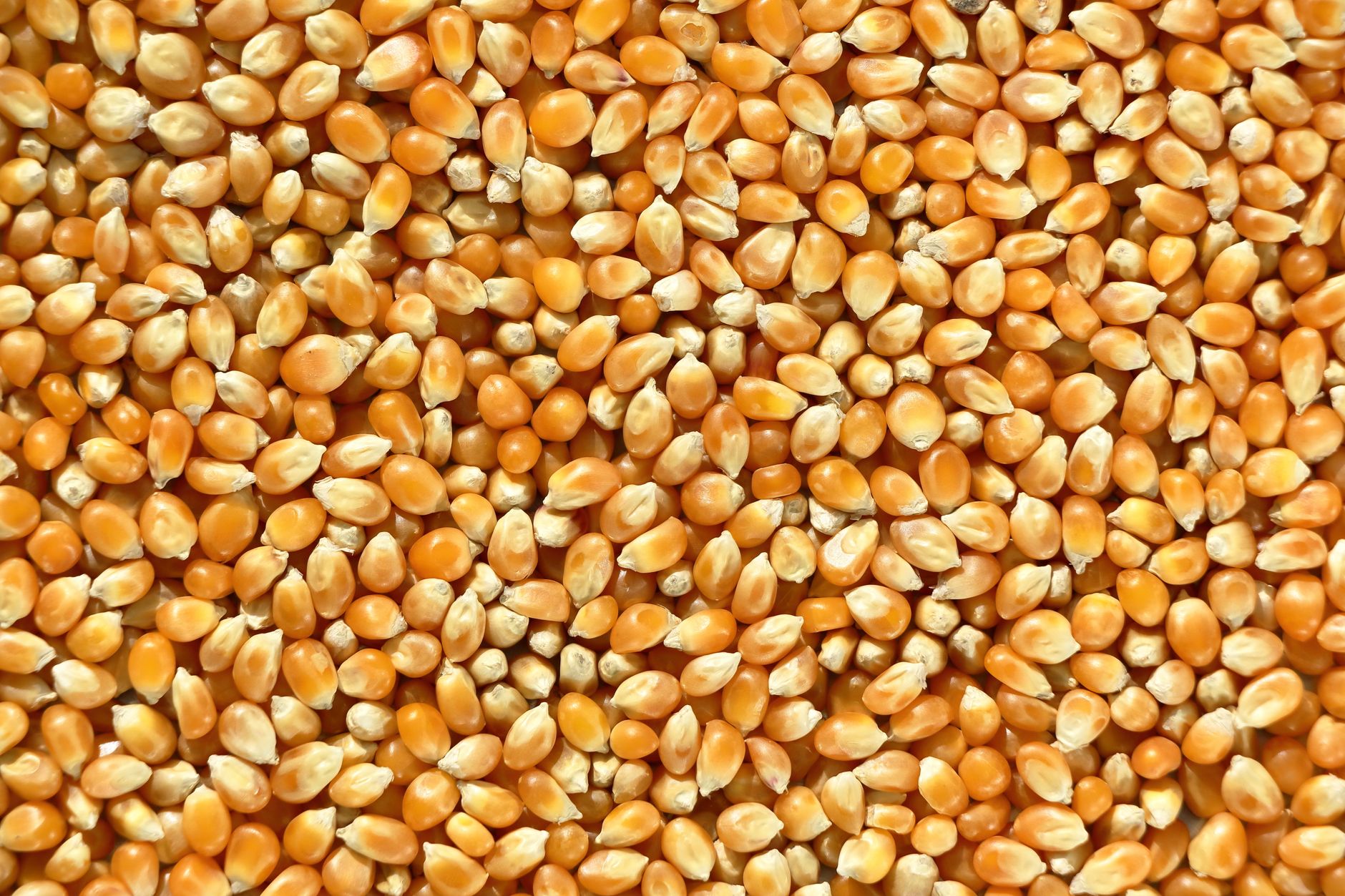
Popcorn kernels are a unique variety of corn designed specifically for popping. Unlike other types of corn, popcorn has a tough outer shell and a starchy interior that creates steam pressure when heated, resulting in a delightful snack. Understanding popcorn kernels—how they work, their tastes, and their uses—can elevate your popcorn game from just a simple treat to a gourmet delight.
This article will explore what popcorn kernels are, their flavor profiles, texture, and various kitchen uses. Moreover, we will cover how to choose the best kernels, recommended cooking methods, and even a few creative ways to enjoy popcorn beyond the traditional butter and salt.
What Are Popcorn Kernels?
Popcorn kernels are the seeds of the Zea mays everta plant, a special type of flint corn. Each kernel consists of three main components: the outer hull, the starchy endosperm, and the germ. The tough outer hull is key to popcorn’s popping ability, as it effectively traps moisture inside the kernel. When heat is applied, this moisture turns to steam, building pressure until it ultimately bursts the kernel open, creating the fluffy snack we all love.
Flavor and Texture of Popcorn Kernels
Popcorn kernels have a neutral flavor when unpopped, resembling other grains like cornmeal or corn flour. However, they take on the characteristics of any toppings or seasonings added after popping. The texture of popcorn is light and airy, with a satisfying crunch when bitten into. Different varieties, like yellow, white, and blue popcorn, offer subtle differences in flavor, with blue popcorn being slightly nuttier and chewier compared to its yellow and white counterparts.
Types of Popcorn Kernels
There are several types of popcorn kernels, and each type produces slightly different flavors and textures. Here are three of the most common types:
- Butterfly Popcorn: This type has irregular shapes with “wings” that fan out when popped. It is light and fluffy, making it ideal for seasoning, as the many crevices hold toppings well.
- Mushroom Popcorn: These kernels pop into round, compact shapes, making them perfect for coating with caramel or other coatings. They are less fragile than butterfly popcorn, making them great for commercial popcorn production.
- Ladyfinger Popcorn: Known for its small size, ladyfinger popcorn is a rare variety that produces fewer, but more delicate, popped kernels. This type can be more tender and tasty.
Choosing the Right Popcorn Kernels
When selecting popcorn kernels, consider the following factors to ensure the best popping experience:
- Freshness: Look for kernels with a good shelf life. Old kernels may lose moisture and won’t pop as effectively.
- Quality: Go for organic or non-GMO popped corn if possible. These options often taste better and are free from chemical additives.
- Type: Choose the type of popcorn that suits your desired use, whether it’s for savory or sweet toppings.
Cooking Methods for Popcorn Kernels
There are various methods to prepare popcorn for snacking. Each has its advantages and potential flavor outcomes.
Stovetop Popcorn
This classic method allows for control over the heat and oil used, leading to perfectly popped kernels.
- In a large, heavy-bottomed pot, heat 2-3 tablespoons of oil with a few popcorn kernels over medium heat.
- Once the test kernels pop, add 1/2 cup of popcorn kernels to the pot and cover with a lid.
- Shake the pot occasionally to prevent burning. Once popping slows (around 2-3 seconds between pops), remove from heat.
- Let the pot sit for a minute to allow any remaining kernels to pop, then open the lid carefully.
Air Popper
An air popper is a quick and healthier way to pop corn without oil.
- Simply measure the popcorn kernels according to the air popper’s instructions, usually around 1/2 cup.
- Turn the machine on and watch as the kernels pop into fluffy pieces.
- Season immediately after popping.
Microwave Popcorn
Using the microwave is a convenient option, especially for smaller batches.
- Place 1/4 cup of popcorn kernels in a microwave-safe bowl, cover with a microwave-safe lid or plate.
- Microwave on high for about 2-4 minutes, or until popping slows.
- Let it sit for a minute before removing the cover.
Using an Instant Pot
An Instant Pot can be an alternative way to pop corn while using minimal oil.
- Set the Instant Pot on the sauté setting and add 2 tablespoons of oil.
- Once the oil is hot, add the popcorn kernels and stir to coat in oil.
- Close the lid and switch to manual mode for 3 minutes, allowing the steam to pop the corn.
- Release the pressure and remove the lid carefully.
Flavoring and Seasoning Your Popcorn
One of the wonderful aspects of popcorn is how easily it adapts to different flavors. Here are a few popular ways to season your freshly popped corn.
Classic Butter and Salt
The timeless combination of melted butter and salt is a fan favorite.
- Drizzle melted butter over the popcorn after popping, add salt to taste, and toss to coat.
Cheesy Popcorn
For a savory spin, consider using cheese powder or freshly grated cheese.
- Sprinkle cheddar powder or grated Parmesan over hot popcorn, mixing thoroughly for an even distribution.
Sweet Popcorn
If you prefer something sweeter, caramelizing or adding sugar is a delightful option.
- In a saucepan, melt sugar with butter, pour over popcorn, and mix well.
Common Mistakes to Avoid
Here are some common pitfalls to watch out for when making popcorn:
- Not using enough heat will result in chewy popcorn, while too much heat can burn the kernels.
- Overcrowding the pot leads to unpopped kernels, as they need space to expand.
- Storing kernels in a humid environment can make them lose moisture, resulting in fewer popped kernels.
Storage of Popcorn Kernels
Proper storage is critical to maintain the freshness and popping ability of popcorn kernels:
- Store popcorn kernels in an airtight container in a cool, dry place away from sunlight.
- A vacuum-sealed bag can also prolong shelf life.
- Check occasionally for moisture or any rancid odors, especially if kernels are stored for a long time.
Exploring Creative Ways to Enjoy Popcorn
Popcorn is not just a movie-time snack; it can be used creatively in various dishes:
Popcorn Trail Mix
Add some variety by mixing popcorn with nuts, chocolate chips, and dried fruit for a delicious trail mix.
Popcorn Toppers
Transform popcorn into a gourmet snack by adding parmesan, garlic powder, or chili powder for a spicy kick.
Popcorn Salad
For a fun twist, try creating a popcorn salad tossed with fresh greens, sliced vegetables, and a zesty dressing.
Frequently Asked Questions About Popcorn Kernels
Here are a few questions that are commonly asked about popcorn kernels:
Do popcorn kernels go bad?
While popcorn kernels do not spoil in the traditional sense, they can lose moisture and become less effective at popping over time. It’s best to consume within a year for optimal results.
Can I use popcorn kernels for other types of corn dishes?
Popcorn kernels are best suited for popping and may not be ideal for other corn dishes like cornbread or polenta due to their tough hull and differing starch content.
Where is popcorn typically grown?
Popcorn is primarily grown in the United States, particularly in states like Nebraska, Indiana, and Illinois, due to their suitable climates and soil conditions.
Conclusion
Understanding what popcorn kernels are, their flavors, textures, and the methods of preparation can greatly enhance your snacking or cooking experience. With the right techniques and creative toppings, the humble popcorn offers endless culinary possibilities. Whether enjoyed plain or dressed up, popcorn can be both delicious and versatile.
For more on popcorn storage, check out our guide on whether popcorn kernels go bad. Additionally, learn how popcorn is made with our article on how popcorn is made.