
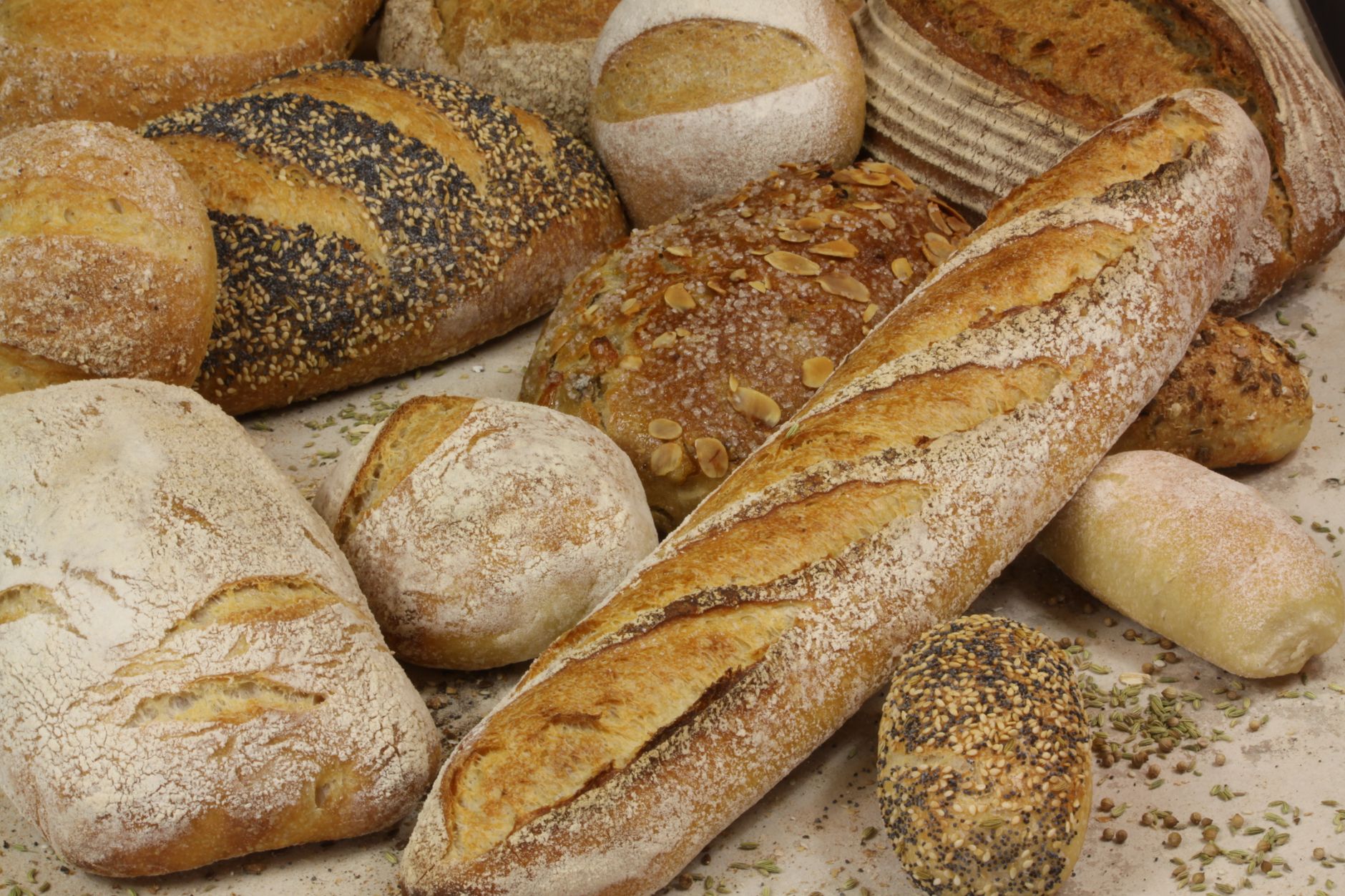
Whole grain foods have gained significant traction in the culinary world, praised for their nutritional benefits and rich flavors. But what exactly are whole grains, and how can you incorporate them into your daily meals? This article will explore the definition of whole grains, their taste and texture, various kitchen uses, and practical tips for including them in your diet.
Whole grains refer to grains that contain all three parts of the grain kernel: the bran, germ, and endosperm. Unlike refined grains, which have been milled to remove the bran and germ, whole grains retain their natural nutrients and fiber. This comprehensive guide will help you understand how to choose, cook, and enjoy whole grain foods.
What Are Whole Grain Foods?
Whole grain foods consist of grains that remain unprocessed or minimally processed, preserving their core components. This includes a variety of grains such as wheat, brown rice, oats, barley, and quinoa. Each type of whole grain brings unique flavors and nutritional profiles to your meals.
The Taste and Texture of Whole Grains
One of the reasons many people enjoy whole grains is due to their diverse flavors and textures. Whole grains often have a hearty, nutty flavor with varying degrees of chewiness. Here’s a look at a few common whole grains and their characteristics:
- Brown Rice: Earthy flavor with a slightly chewy texture; great as a base for stir-fries or grain bowls.
- Quinoa: Mild and nutty taste with a fluffy texture when cooked; excellent in salads, sides, or as a breakfast grain.
- Farro: A chewy, nutty grain often used in salads or soups, it holds its shape well during cooking.
- Oats: Sweet and creamy when cooked; ideal for breakfast dishes or baking.
- Barley: Nutty flavor and chewy texture; usually found in soups and stews.
The choice to incorporate different whole grains can enhance the flavor and texture of your dishes, making meals more interesting and satisfying.
Health Benefits of Whole Grains
Whole grains are celebrated not only for their taste but also for their nutritional advantages. Some benefits include:
- Rich in Nutrients: Whole grains provide essential nutrients such as fiber, vitamins, and minerals, which are often lost during the refining process.
- Heart Health: Regular consumption of whole grains has been linked to lower risks of heart disease by improving cholesterol levels and reducing inflammation.
- Digestive Health: The fiber in whole grains aids in digestive health and can help maintain a healthy weight.
- Blood Sugar Control: Whole grains have a lower glycemic index compared to refined grains, helping stabilize blood sugar levels.
How to Choose Whole Grain Foods
When selecting whole grain products, it’s essential to read labels carefully. Look for the following indicators:
- Whole Grain Stamp: The Whole Grains Council’s stamp indicates that a product contains at least 16 grams of whole grains per serving.
- Ingredient List: Ensure that “whole” is the first word in the ingredient list, such as “whole wheat flour” or “whole oats.”
- Fiber Content: Aim for products with at least 3 grams of fiber per serving to maximize health benefits.
Many food products marketed as “wheat,” “multi-grain,” or “enriched” are not whole grain. Always check the label to ensure you’re making a nutritious choice.
Kitchen Uses for Whole Grains
Whole grains can be used in various culinary applications, enhancing both flavor and texture in meals. Below are some popular kitchen uses for whole grains:
Breakfast
Incorporating whole grains into breakfast can boost your energy levels. Here are some options:
- Oatmeal: Use rolled or steel-cut oats for a hearty breakfast topped with fruits, nuts, or honey.
- Granola: Homemade granola can include whole grain oats mixed with nuts, seeds, and dried fruits.
- Whole Grain Pancakes: Substitute refined flour with whole wheat or oat flour for a wholesome breakfast treat.
Lunch
Whole grains can serve as a hearty base for lunch dishes:
- Grain Bowls: Combine cooked quinoa or farro with vegetables, proteins, and dressings for a satisfying meal.
- Whole Grain Salads: Use bulgur or barley as a base for salads, adding vegetables, beans, and a flavorful vinaigrette.
Dinner
Whole grains can elevate your dinner meals:
- Stir-Fries: Add brown rice or quinoa to stir-fry dishes for added flavor and nutrition.
- Soups and Stews: Barley or farro can be a great addition to hearty soups, providing texture and heartiness.
Baking
Whole grains can also shine when used in baking:
- Breads: Whole wheat flour can be used in various bread recipes, providing flavor and extra nutrition.
- Cookies and Muffins: Substitute half of the all-purpose flour with whole grain flour in your favorite recipes for a wholesome twist.
Snacks
Healthy snacking can also be achieved with whole grains:
- Popcorn: This whole grain snack is low in calories and can be flavored with spices and herbs.
- Whole Grain Crackers: Look for whole grain options to pair with dips or cheese.
Cooking with Whole Grains
Cooking whole grains may differ from cooking refined grains, often requiring a little extra time and care. Here are tips to help you achieve the best results:
General Tips
- Rinse Grains: Rinse grains like quinoa under cold water to remove any bitter saponins.
- Soaking: Some grains like farro or barley benefit from soaking prior to cooking, improving texture and reducing cooking time.
- Water Ratios: Generally, whole grains require more water than refined grains. A common ratio is 2:1 (water to grain), but this may vary.
Cooking Techniques
Here are a few standard cooking techniques for popular whole grains:
Cooking Quinoa
- Rinse 1 cup of quinoa under cold water.
- Combine rinsed quinoa with 2 cups of water or broth in a saucepan.
- Bring to a boil, then reduce heat to low, cover, and simmer for 15 minutes.
- Remove from heat and let sit for 5 minutes before fluffing with a fork.
Cooking Brown Rice
- Rinse 1 cup of brown rice under cold water.
- Combine with 2.5 cups of water in a saucepan.
- Bring to a boil, cover, and reduce heat to low. Cook for 45-50 minutes.
- Remove from heat and let sit for 10 minutes before fluffing.
Cooking Barley
- If using pearl barley, rinse 1 cup under cold water.
- Combine with 3 cups of water or broth in a pot.
- Bring to a boil, then reduce heat and simmer for 30-40 minutes until tender.
- Drain any excess liquid and fluff with a fork.
Substitutions and Variations
Cooking with whole grains doesn’t mean you have to stick with just one type. Here are some substitution suggestions:
- Wheat Flour: Substitute all-purpose flour with whole wheat flour in baking; use 25% less liquid.
- Rice: Brown rice can often replace white rice in most recipes, offering increased fiber and nutrients.
- Oats: Rolled oats can be substituted for breadcrumbs in savory recipes.
Experimenting with different grains can add exciting new flavors and textures to your meals.
Common Mistakes When Using Whole Grains
While whole grains are healthful, improper cooking or selection can lead to disappointment. Here are some common mistakes to watch out for:
- Overcooking: Whole grains like quinoa can become mushy if overcooked. Follow timing guidelines carefully.
- Forgetting to Rinse: Not rinsing quinoa can result in a bitter taste. Always rinse before cooking.
- Ignoring Cooking Ratios: Incorrect water-to-grain ratios can lead to undercooked or overly soft grains. Check specific measurements for the grain you’re using.
Storage of Whole Grains
Proper storage is essential for maintaining the freshness and quality of whole grains.
- Dry Grains: Store in an airtight container in a cool, dark place. Most dry grains can last for months if stored correctly.
- Cooked Grains: Refrigerate cooked grains in airtight containers for up to one week. You can also freeze them for longer storage.
Incorporating Whole Grains into Meal Plans
To easily incorporate whole grains into your diet, consider the following meal planning tips:
- Batch Cooking: Cook large quantities of whole grains and store them in the fridge for quick meal assembly throughout the week.
- Varied Meals: Plan meals that feature different whole grains, so you don’t get bored; for instance, quinoa bowls on Monday, brown rice stir-fry on Tuesday, and oatmeal for breakfast on Wednesday.
- Healthy Snacks: Keep popcorn or homemade granola on hand for nutritious snacking options between meals.
Conclusion
Whole grain foods are a delicious and nutritious addition to any diet, serving up essential nutrients and robust flavors. By understanding how to choose, prepare, and use whole grains, you can enhance your meals significantly. Start experimenting with different types of whole grains in your cooking today to add variety and nutrition to your food.
If you’re inspired to bake bread, try our einkorn bread recipe or explore the sweetness of whole grains with our honey wheat bread recipe. Both recipes are a great way to enjoy whole grains at home!