
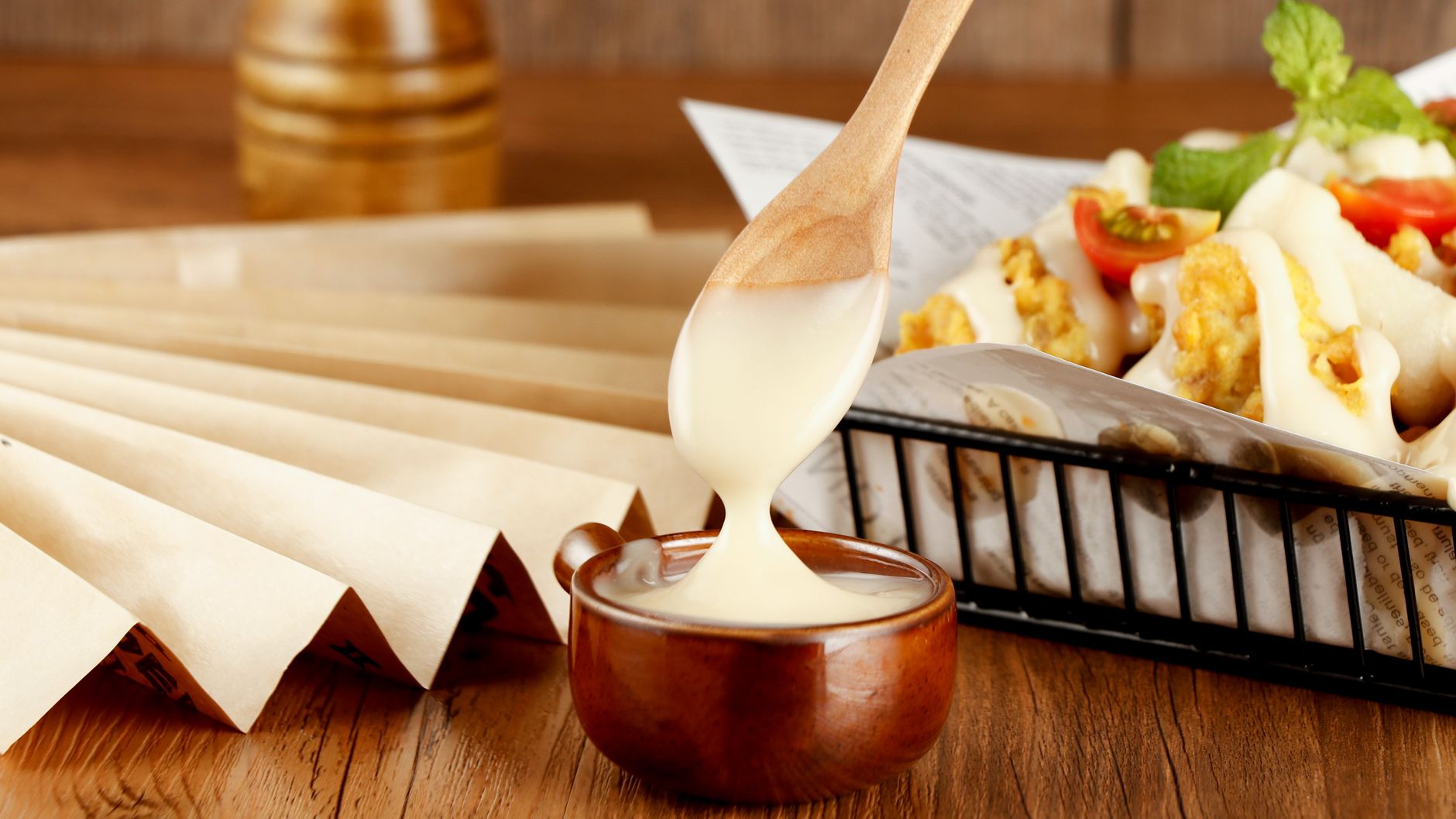
Emulsification is a fundamental technique in cooking that involves combining two ingredients that typically do not mix, like oil and water. This process creates a stable mixture, known as an emulsion, that enhances flavors and textures in a variety of dishes.
Understanding emulsification can greatly improve your culinary skills, from making salad dressings to sauces and desserts. In this article, we’ll explore what emulsification is, its ingredients, taste implications, and culinary uses.
What Is Emulsification?
Emulsification refers to the process of mixing two unmixable liquids, such as oil and water, into a stable emulsion. This is achieved with the help of an emulsifier, a substance that helps bind the ingredients together. Common examples of emulsions are vinaigrettes, mayonnaise, and hollandaise sauce.
When an emulsion is formed, the two liquids are dispersed, creating a smooth and creamy texture. The effectiveness of the emulsification process relies heavily on proper techniques and ingredients.
Ingredients In Emulsification
The main components for creating emulsifications include the two liquids that need to be combined and an emulsifier. Here are the common ingredients used in emulsification:
- Oils: Common oils include olive oil, vegetable oil, or any other type of cooking oil.
- Water-based liquids: Examples include vinegar, lemon juice, or broth.
- Emulsifiers: These can be natural or commercial. Natural emulsifiers include egg yolks (in mayonnaise) and mustard. Commercial emulsifiers can be found in packaged foods.
Common Emulsifiers
Not all emulsifiers work the same way, and each has unique properties that affect the final emulsion:
- Egg Yolks: Contains lecithin, a powerful natural emulsifier ideal for sauces like mayonnaise.
- Mustard: Often used in salad dressings; it helps stabilize the emulsion.
- Honey: Acts as an emulsifier in dressings and sauces due to its viscosity.
- Commercial Emulsifiers: Such as xanthan gum, lecithin, and carrageenan, are used in various processed foods.
Taste Implications of Emulsification
Emulsification not only improves the texture of dishes but also enhances their flavor profile. When two liquids are emulsified, the flavors are better integrated, leading to a more harmonious taste. Here are some ways emulsification impacts taste:
- Mouthfeel: A well-emulsified dish has a creamy, smooth texture that can make flavors more palatable.
- Balancing flavors: Emulsions can balance acidic and fatty flavors, leading to a well-rounded dish.
- Aromatic release: The process of emulsifying can release aromas from ingredients, enhancing the overall sensory experience.
Culinary Uses of Emulsification
Emulsification is a versatile technique that finds its application in various culinary creations. Here are some popular uses:
1. Salad Dressings
Salad dressings are one of the most common applications of emulsification. Basic vinaigrettes are made by whisking oil with vinegar, but adding an emulsifier, such as mustard or egg yolk, stabilizes the dressing, preventing it from separating. A simple recipe can include:
- 3 parts oil
- 1 part vinegar
- 1 teaspoon mustard or egg yolk as emulsifier
2. Sauces
Classic sauces like mayonnaise and hollandaise rely on emulsification to achieve their creamy texture. These sauces are often drizzled over dishes, used as dips, or incorporated into other recipes.
For example, mayonnaise can be easily made at home by blending egg yolks, mustard, and oil until emulsified. Similarly, hollandaise combines egg yolks and butter for a creamy sauce served with eggs Benedict.
3. Culinary Foams
Culinary foams are created by incorporating air into emulsified mixtures. Common in modern cuisine, these foams provide a unique texture and presentation. Techniques often use emulsifiers to create a stable foam that retains flavor and aroma without separating.
4. Ice Cream
Emulsification is also critical in creating smooth and creamy ice cream. Emulsifiers, like egg yolks or commercial stabilizers, help blend fats with water, preventing ice crystals from forming and ensuring a uniform texture.
5. Baking
Baking recipes often employ emulsification to ensure even distribution of ingredients. The blending of fat and water in batter can affect rise and moisture content, impacting the final baked goods.
How to Achieve Successful Emulsification
Achieving a stable emulsion can be tricky, but following some key steps can enhance your chances of success:
- Choose the right emulsifier: Depending on your recipe, select a suitable emulsifier that will provide stability.
- Use room temperature ingredients: Cold ingredients can separate and affect emulsification. Room temperature oils and liquids blend more easily.
- Add oil slowly: When combining oil into a water-based liquid, add it slowly while whisking constantly to form a better emulsion.
- Whisk vigorously: The key to emulsification is agitation. Use a whisk or immersion blender to incorporate air and combine the ingredients thoroughly.
- Temperature control: Heat can help emulsify certain mixtures, especially in sauces, as it aids in the melting of fats.
Common Mistakes and Troubleshooting Emulsification
Even experienced cooks can struggle with emulsification at times. Here are some common mistakes along with troubleshooting tips:
- Separation: If an emulsion separates, it could be due to adding oil too quickly or insufficient agitation. Try re-emulsifying by whisking more vigorously or adding a small amount of water to bring it back together.
- Clumpiness: If your emulsion has a clumpy texture, ensure that all ingredients are at room temperature when mixing.
- Too thick or too thin: Adjust the consistency by carefully adding small amounts of water, broth, or additional oil, depending on whether you want to thin or thicken the emulsion.
Storage and Reheating Tips for Emulsified Products
Proper storage and handling can extend the shelf life of emulsified products. Here are key considerations:
- Refrigeration: Most emulsified dressings and sauces should be stored in the refrigerator to maintain freshness. Homemade mayonnaise, for example, can last around a week when sealed tightly.
- Separation during storage: If an emulsion separates over time, whisking vigorously or using a food processor can bring it back together.
- Do not freeze: Most emulsified products do not freeze well, as the structure will change and separate once thawed.
Conclusion
Emulsification is a crucial technique that enhances the texture and flavor of many dishes. By understanding the process, ingredients, and common challenges, you can confidently create beautiful sauces, dressings, and more. Start incorporating emulsification techniques into your cooking and delight in the improved flavors and aesthetics they provide.
For more culinary inspiration and practical tips, explore our Chia Pudding Recipe for a healthy dessert option or try our Alfredo Sauce Recipe that showcases emulsification in action.