
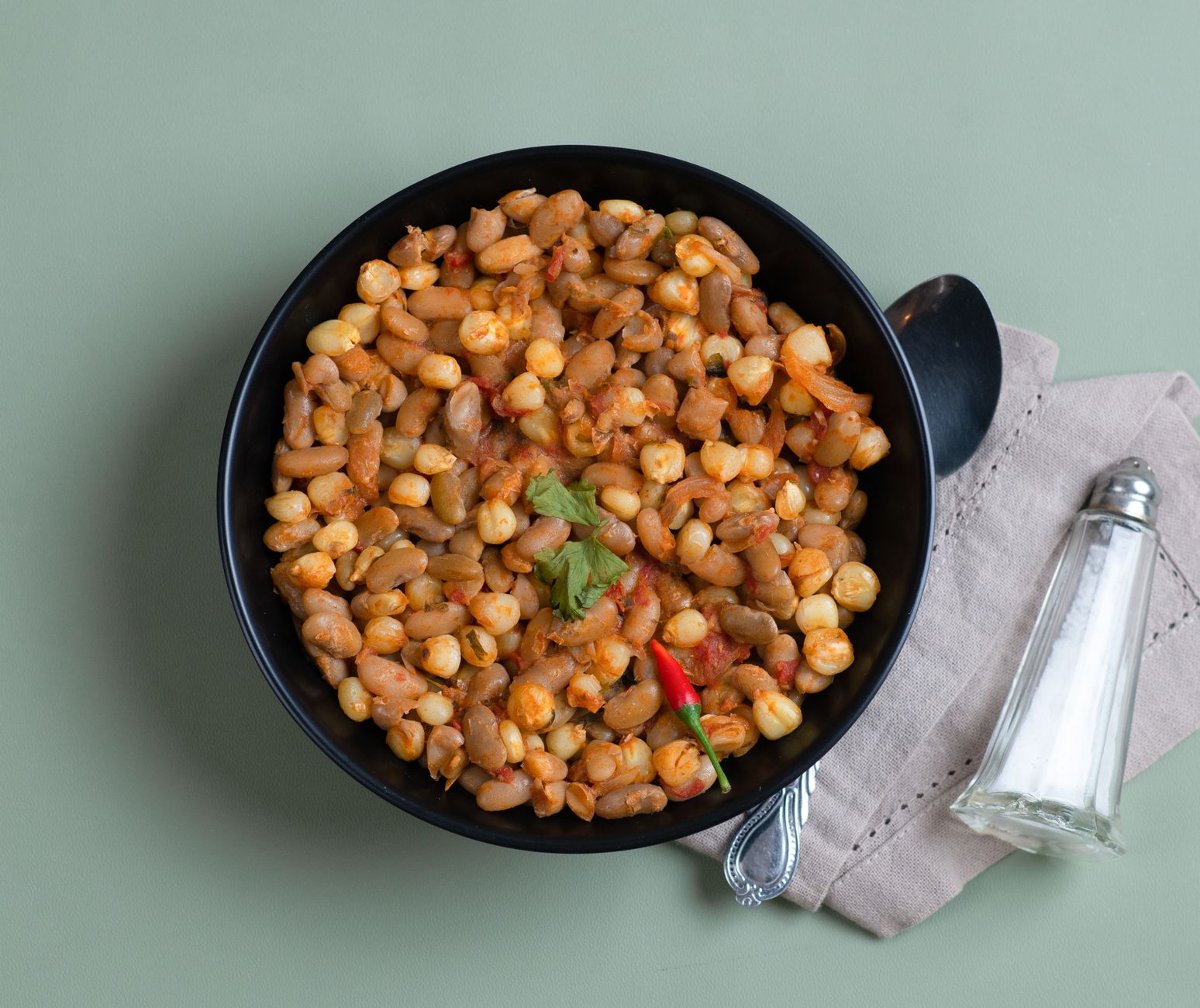
Cooking beans is a staple in many cuisines around the world, providing a nutritious and versatile ingredient for countless dishes. The cooking time for beans can vary greatly depending on their type and preparation method. Understanding how long it takes for beans to cook ensures that your meals are delicious, well-textured, and satisfying.
This guide will cover various types of beans, both dried and canned, along with their cooking times, techniques, and tips to achieve the best results. Whether you’re making a hearty soup, a salad, or a side dish, knowing the essentials of cooking beans is important.
How Long Does It Take for Beans to Cook?
Beans typically take between 30 minutes to 2 hours to cook, depending on the type and whether they are soaked prior to cooking. Dried beans require longer cooking times compared to canned beans, which are already cooked.
Types of Beans and Their Cooking Times
Different types of beans have varied sizes, shapes, and density, which influence their cooking times. Here’s a breakdown of common varieties:
Dried Beans
Dried beans must be soaked and cooked through traditional methods. Here are the average cooking times for some popular dried beans:
- Black Beans: 1 to 2 hours
- Pinto Beans: 1 to 2 hours
- Chickpeas (Garbanzo Beans): 2 to 3 hours
- Kidney Beans: 1 to 1.5 hours
- Great Northern Beans: 1 to 1.5 hours
- White Beans (Navy Beans): 1 to 1.5 hours
- Split Peas: 30 to 45 minutes
Canned Beans
Canned beans are pre-cooked and simply require warming. Their cooking times are substantially shorter:
- Canned Black Beans: 5 to 10 minutes
- Canned Pinto Beans: 5 to 10 minutes
- Canned Chickpeas: 5 to 10 minutes
- Canned Kidney Beans: 5 to 10 minutes
- Canned White Beans: 5 to 10 minutes
Preparing Dried Beans
To ensure an even and quicker cooking process, preparing dried beans properly is crucial. Here are the steps to follow:
Choosing and Storing Dried Beans
When selecting dried beans, look for clean, whole beans without any discoloration or cracks. Store them in a cool, dark place in an airtight container. Properly stored dried beans can last for years, but for the best quality, aim to use them within a year of purchase.
Soaking Beans
Soaking beans helps to reduce cooking time and improves digestibility. There are two common methods for soaking:
- Overnight Soak: Place beans in a large bowl, cover them with plenty of water, and let them soak overnight (at least 8 hours). Drain and rinse before cooking.
- Quick Soak: Boil beans for 2 minutes in a pot of water, remove from heat, cover, and let them sit for an hour. Drain and rinse before cooking.
Cooking Beans
After soaking, follow these steps to cook dried beans:
- Place soaked beans in a large pot, covering them with fresh water (about 2 inches above the beans).
- Add aromatics (optional) such as garlic, onion, bay leaves, or herbs for additional flavor.
- Bring the water to a boil, and then reduce the heat to a simmer. Cover the pot with a lid, leaving it slightly ajar to prevent overflow.
- Cook for the recommended time while stirring occasionally and checking the water level to ensure the beans remain submerged.
- Beans are done when they are tender but not mushy. You can test their doneness by tasting a few beans. If desired, add salt during the last 10 minutes of cooking, as adding it too early can toughen the beans.
Common Mistakes to Avoid When Cooking Beans
Cooking beans may seem straightforward, but certain missteps can impact texture and flavor. Watch for these common mistakes:
- Not soaking the beans: This can lead to very long cooking times and uneven texture.
- Overcrowding the pot: Cooking too many beans at once can lead to uneven cooking. Work in batches if necessary.
- Adding salt too early: Salt should be added near the end of cooking to prevent toughening the beans.
- Not checking for doneness: Beans can go from perfectly tender to mushy in a short time, so taste test regularly.
Storing and Reheating Cooked Beans
Leftover cooked beans can be easily stored and reheated. Follow these tips:
Storage
Allow cooked beans to cool completely before transferring them to an airtight container. They can be stored in the refrigerator for up to 5 days or frozen for up to 3 months. If freezing, consider portioning them into meal-sized amounts for easy use later.
Reheating
To reheat cooked beans, simply warm them in a pot over low heat on the stove or microwave. If frozen, allow them to thaw overnight in the refrigerator before reheating to ensure even cooking.
Flavoring and Serving Ideas for Beans
Beans can be enjoyed in many different ways. Here are a few ideas:
- Soups and Stews: Incorporate cooked beans into hearty vegetable soups or stews for added protein and texture.
- Salads: Toss cooked and cooled beans into salads for a nutritious boost.
- Sides: Serve beans as a side dish, seasoned with olive oil, vinegar, herbs, or spices.
- Chili: Add beans to your chili for extra heartiness and flavor.
- Purees: Blend cooked beans with seasonings for a creamy dip or spread.
Beans as a Budget-Friendly Ingredient
Beans are not only nutritious but also cost-effective. They are a great option for meal planning on a budget. Here’s how you can incorporate them:
Making Meals with Beans
You can create a variety of meals using beans as a base ingredient, which adds fiber and protein while being budget-friendly. Consider these meal ideas:
- Bean Tacos: Fill tortillas with seasoned beans, salsa, and your choice of toppings.
- Bean Burgers: Mash cooked beans with spices and shape them into patties for a vegetarian burger alternative.
- Stews and Curries: Many cuisines utilize beans in hearty stews or spicy curries.
- Fried Rice: Add cooked beans to rice along with vegetables and seasonings for a filling dish.
Meal Prep with Beans
Batch-cooking beans can save both time and money. Cook a large batch and use them throughout the week in various meals. Here are some practical tips for meal prep:
- Prepare beans ahead of time and portion them into ready-to-use containers for salads, soups, or sides.
- Combine beans with grains (like quinoa or rice) for balanced meals.
- Utilize beans in different meals to make the best use of ingredients, such as using the same beans for tacos and chili, ensuring both dishes have a consistent flavor profile.
Variations and Substitutions
If you don’t have certain types of beans on hand, there are often substitutions that can work well. Here are some alternatives:
- Black Beans: Substitute with kidney beans or pinto beans for similar texture and flavor.
- Pinto Beans: Great Northern or cannellini beans can be used as substitutes.
- Chickpeas: Use white beans or lentils if chickpeas are unavailable.
- Navy Beans: Substitute with cannellini or pinto beans.
Conclusion
Cooking beans can be a simple yet satisfying endeavor, providing numerous opportunities for delicious meals. By understanding the cooking times, preparation methods, and variations of different beans, you can elevate your cooking and create numerous dishes that are not only nutritious but also budget-friendly. Remember to soak your dried beans for optimal results, and don’t hesitate to experiment with different flavors and ingredients.
For more ideas, consider exploring these delicious bean recipes: Great Northern Beans Recipe and Southern Pinto Beans Recipe.