
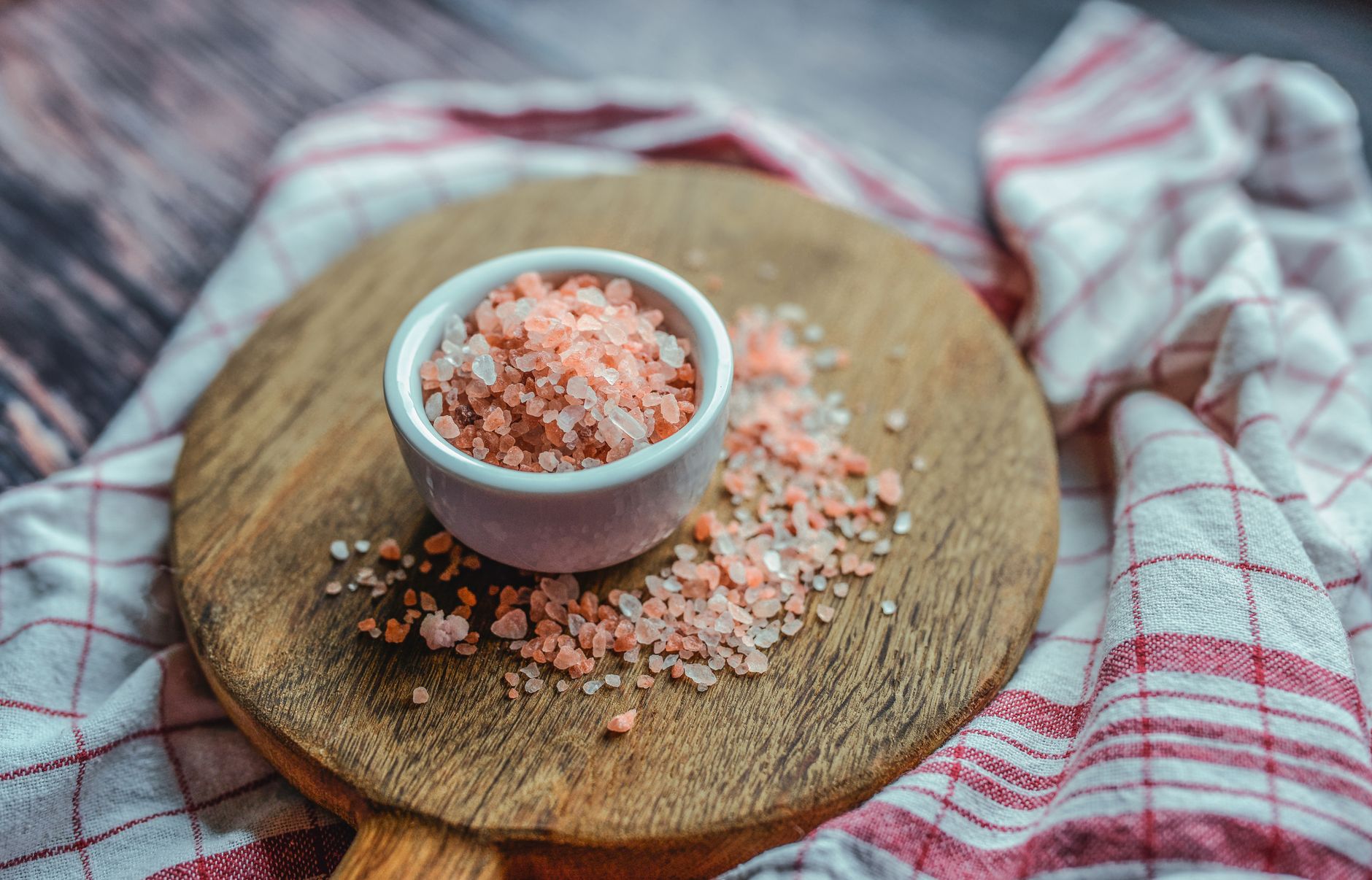
Kosher salt is a staple in many kitchens due to its unique properties and versatility. This coarse salt is primarily used in cooking and food preparation, praised for its ability to season food evenly and enhance flavors. Understanding the ins and outs of kosher salt can elevate your culinary skills significantly.
Throughout this article, we will explore why to use kosher salt, its characteristics and benefits, how to choose the right type, label distinctions, suitable alternatives, and some common culinary applications. Whether you’re an aspiring chef or a home cook, this comprehensive guide will arm you with practical knowledge to maximize your cooking experience.
Why Use Kosher Salt?
The main reason to use kosher salt is its texture and flavor-enhancing qualities. The larger grains make it easier to control seasoning, allowing for a more even distribution on food. Additionally, kosher salt has a clean taste that enhances flavors without overpowering them. Its use is widespread in professional kitchens and among home cooks alike.
Characteristics of Kosher Salt
Kosher salt has several key characteristics that distinguish it from other salts:
- Grain Size: Its larger, coarser grains make it ideal for seasoning. These grains can cling to food surfaces effectively, allowing for better control over the salting process.
- Flavor Profile: Kosher salt has a pure, clean flavor. It lacks additives that can impart unwanted flavors, making it an excellent choice for seasoning during cooking.
- Non-Iodized: Typically, kosher salt is non-iodized, which means it does not contain iodine, a mineral that can sometimes impart a metallic taste.
Choosing the Right Kosher Salt
Not all kosher salts are created equally. Different brands may vary in grain size, weight, and saltiness. Choosing the appropriate type for your cooking needs is essential for achieving the desired flavor and texture in your dishes.
Popular Varieties of Kosher Salt
Here are a few popular brands and their characteristics:
- Diamond Crystal: This is a favorite among many cooks due to its light, flaky texture and ability to dissolve quickly. It is ideal for seasoning meats and vegetables.
- Kosal Salt by Morton: Morton’s kosher salt has larger grains than Diamond Crystal, which may require adjustments in measurements. Many find its texture suitable for brining and dry rubs.
- Other Varieties: There are several boutique brands, like fleur de sel or Maldon sea salt, that may also be referred to as kosher salt. Always confirm the label, as they can differ significantly in texture and flavor.
Understanding Labels and Measurements
When you see “kosher salt” on a label, it’s vital to distinguish it from “sea salt” and “table salt”:
- Table Salt: This is typically much finer and often contains additives like anti-caking agents. It’s saline, which can lead to a stronger salty flavor in smaller quantities.
- Sea Salt: This type is harvested from evaporated seawater and can come in varying grain sizes. It often contains trace minerals that can alter the flavor. Kosher salt, however, is harvested differently and should not be confused with sea salt.
Conversion Between Salts
When substituting kosher salt for table salt or sea salt, keep in mind the differences in grain size. Generally:
- If a recipe calls for table salt, use about half as much kosher salt.
- If substituting sea salt, adjust based on the thickness of the grains; sea salt often varies considerably in size.
Culinary Applications of Kosher Salt
Kosher salt can be used in a variety of culinary settings, making it a versatile ingredient. Here are some popular applications:
Brining
Brining meats with kosher salt enhances moisture and flavor. The larger grains of kosher salt allow for an even soak, ensuring every part of the meat is tender and well-seasoned.
Seasoning Meat
When seasoning meat prior to cooking, kosher salt can be applied generously. Its texture clings to protein surfaces, allowing for a well-seasoned exterior once cooked.
Vegetables
Sprinkling kosher salt on vegetables before roasting or grilling enhances their natural flavors. The grains penetrate the vegetables effectively, drawing out moisture and helping to caramelize their surfaces.
Baking
In baking, while kosher salt is typically used in bread doughs for fermentation balance, it can also be used in pastries and cookies for added flavor. Keep in mind that the salt will dissolve into the batter, so consider your measurements accordingly.
Finishing Salt
Use kosher salt as a finishing touch on a dish before serving. Its texture provides a pleasant crunch, enhancing both the visual appeal and flavor profile of your meals.
Why Not Use Kosher Salt?
While kosher salt has numerous benefits, there may be reasons to consider other salt types:
- Flavor Variations: Some recipes specifically benefit from unique flavors provided by other salts, such as Himalayan pink salt or smoked sea salt.
- Texture: In certain baked goods, the texture of finer salts may be more suitable for consistent results.
Substitutes for Kosher Salt
In case you’re out of kosher salt or simply want to try something different, here are a few reliable substitutes along with their measurements:
- Sea Salt: Can be used as a one-to-one substitute, but check the grain size; you may need to adjust measurements.
- Table Salt: Use about half for every measure of kosher salt, as it’s much finer and saltier.
- Himalayan Pink Salt: This can often be substituted directly for kosher salt, but adjust seasoning according to taste.
Common Mistakes When Using Kosher Salt
To make the most of kosher salt, keep in mind some common pitfalls:
- Inaccurate Measurements: Due to its varying grain size, measuring kosher salt with table spoons may lead to inconsistencies in saltiness. It’s better to measure by weight when possible.
- Over-seasoning: It’s easy to assume that because kosher salt has coarse grains, you can use more without consequence. Always taste as you go to achieve your desired flavor profile.
Storage and Shelf Life
Kosher salt has a long shelf life and can be stored in a cool, dry place away from moisture and contaminants. An airtight container can help maintain its freshness and prevent clumping.
Conclusion
Kosher salt is more than just a seasoning; it’s an essential ingredient that enhances the flavor and quality of many culinary applications. Its unique texture, versatility in cooking, and ability to complement flavors make it a worthy investment for any kitchen. Familiarize yourself with its properties, how to use it properly, and how to choose the right type for your culinary needs.
If you’re looking for practical culinary inspiration, consider exploring salt potatoes or seasoned rice recipes to put your kosher salt knowledge to good use.