
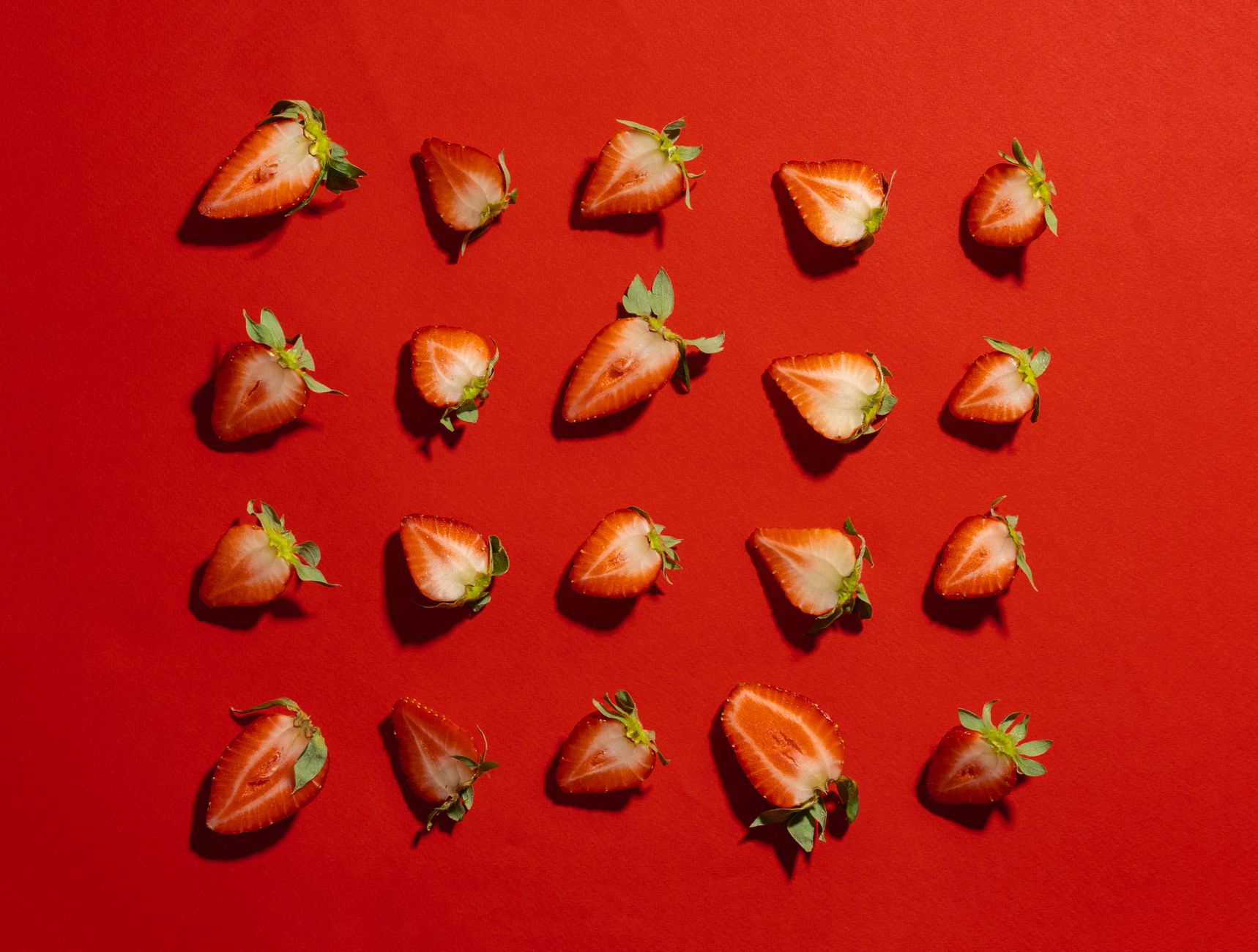
Strawberries are not only delicious, but they also provide a refreshing burst of flavor to a variety of dishes. Additionally, they are a popular choice for health-conscious individuals looking to maintain or lose weight. Understanding how many calories are in strawberries is essential for proper meal planning, especially if you’re watching your dietary intake.
In this article, we will explore the calorie content of strawberries by serving size, their nutritional benefits, and some practical ways to incorporate these vibrant fruits into your diet.
How Many Calories in Strawberry?
One cup of sliced strawberries, which is approximately 166 grams, contains about 53 calories. They are relatively low in calories compared to many other fruits, making them an excellent choice for snacking or including in meals.
Here’s a detailed breakdown of calorie content based on different serving sizes:
| Serving Size | Calories |
|---|---|
| 1 whole strawberry (12g) | 4 calories |
| 1/2 cup sliced strawberries (83g) | 27 calories |
| 1 cup sliced strawberries (166g) | 53 calories |
| 100g of strawberries | 32 calories |
Nutritional Benefits of Strawberries
Strawberries are not only low in calories, but they also pack a punch when it comes to nutrients. Here are some key nutritional benefits:
- High in Vitamin C: A single cup of strawberries provides about 149% of the daily recommended intake of vitamin C, which is important for a healthy immune system.
- Rich in Antioxidants: They contain antioxidants that help neutralize harmful free radicals in the body.
- Low in Sugar: Despite their sweetness, strawberries are relatively low in sugar compared to other fruits.
- Good Source of Fiber: Strawberries offer dietary fiber, promoting digestive health and enhancing feelings of fullness.
Ways to Incorporate Strawberries into Your Diet
Strawberries are versatile and can be enjoyed in a variety of ways. Here are some ideas to enhance your meals:
1. Fresh Snacks
Simply wash and slice strawberries for a refreshing snack. Pair them with yogurt or a sprinkle of granola for added texture and flavor.
2. Breakfast Additions
Incorporate strawberries into your breakfast by adding them to smoothies, oatmeal, or atop whole-grain toast with a spread of almond butter. They add sweetness and nutrients without excessive calories.
3. Salads
Strawberries can elevate salads with their sweet contrast. Try adding them to a spinach salad adorned with goat cheese, walnuts, and a balsamic vinaigrette for a delightful mix of flavors.
4. Desserts
Use strawberries as a healthy dessert option. Top them with a dollop of whipped cream, mix them into homemade desserts like strawberry compote, or blend them into sauces for drizzling.
Common Uses and Ingredient Pairings
Understanding common uses for strawberries can enhance cooking and meal-prepping experiences. Here are a few popular pairings:
- Yogurt: Strawberries mixed into Greek yogurt create a nutritious and delicious snack or breakfast.
- Pancakes and Waffles: Strawberries served atop pancakes or waffles make for an indulgent yet relatively healthy breakfast.
- Chocolate: Dipping strawberries in dark chocolate can satisfy sweet cravings while providing antioxidants from both ingredients.
- Herbs: Pair strawberries with fresh mint or basil to add a refreshing herbaceous note to fruit salads or desserts.
Tips for Selecting and Storing Strawberries
When choosing strawberries, look for bright red strawberries with a natural shine. Avoid ones that have dull spots or are overly soft. Here are some tips for storing them:
Selecting Fresh Strawberries
- Choose strawberries that are firm to the touch with vibrant color.
- Smell them; ripe strawberries generally have a sweet aroma.
- Avoid strawberries with visible mold or bruising.
Storing Strawberries
- Store unwashed strawberries in the refrigerator to maintain freshness.
- Only wash them just before consuming to prevent mushiness and spoilage.
- For longer storage, consider freezing them; simply wash, hull, and place on a baking sheet before transferring to a freezer bag.
Caloric Consideration and Weight Management
Strawberries can be a beneficial part of a weight management plan. Here’s how you can integrate them effectively:
1. Portion Control
Control portion sizes to manage calorie intake effectively. Enjoying a cup of strawberries can be satisfying while allowing room for other nutritious foods.
2. Use as a Low-Calorie Sweetener
Incorporating strawberries in desserts can help satisfy sugar cravings without excessive calories. Their natural sweetness can reduce the need for added sugars.
3. Meal Prep
Incorporate strawberries into your meal-prepping routine. Prepare salads, smoothies, snack packs, or desserts ahead of time to ensure healthy options are always available.
Creative Strawberry Recipes
For those looking to dive deeper into the culinary possibilities of strawberries, here are a couple of simple recipes:
Strawberry Compote
This quick recipe is a great way to preserve the sweetness of strawberries!
Ingredients:
- 2 cups of hulled strawberries, sliced
- 1/4 cup of sugar (adjust to your taste)
- 1 tablespoon of lemon juice
Instructions:
- In a saucepan, combine strawberries, sugar, and lemon juice.
- Heat over medium heat until strawberries soften, stirring occasionally (about 10 minutes).
- Let cool and serve it over yogurt, pancakes, or simply enjoy it by the spoonful.
Strawberry Preserves
Making your own strawberry preserves can be a fun and rewarding kitchen project.
Ingredients:
- 2 cups of strawberries, hulled and mashed
- 1 cup of sugar
- 1/4 cup of lemon juice
Instructions:
- In a large pot, combine strawberries, sugar, and lemon juice.
- Heat over medium heat, stirring until sugar dissolves (about 5 minutes).
- Bring the mixture to a boil; continue boiling until the mixture thickens (about 10-15 minutes).
- Pour into sterilized jars and allow to cool before refrigerating.
Common Mistakes to Avoid When Enjoying Strawberries
Incorporating strawberries into your diet is often straightforward, but there are some common pitfalls to be aware of:
- Oversized Portions: Although lower in calories, consuming large quantities can add up. Stick to recommended serving sizes.
- Neglecting to Wash: Always wash strawberries before eating to remove any pesticides or bacteria.
- Forgetting to Hull: The green leaves can be tough and unpalatable; take the time to hull them before consumption.
Conclusion
In summary, strawberries are a low-calorie food packed with nutrients, making them an excellent addition to your diet. With several ways to enjoy strawberries—whether fresh, in recipes, or as part of meal prep—these berries can be a delicious and healthy option. Remember to be mindful of portion sizes, and don’t forget to explore creative recipes that incorporate strawberries into your meals.
Take time to experiment with different ways to enjoy strawberries, like making strawberry preserves or a flavorful strawberry compote. Your taste buds (and your health) will thank you!