
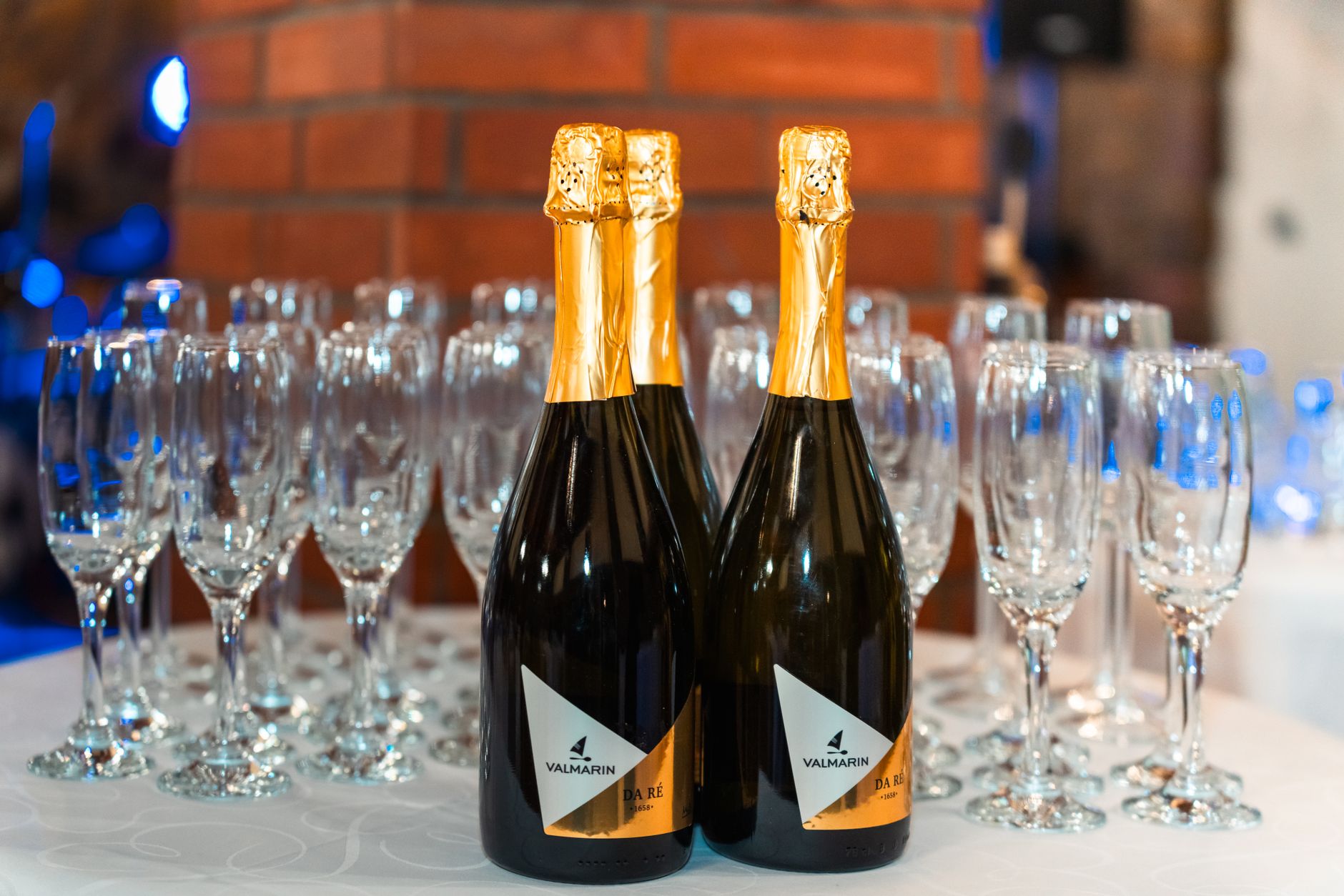
Understanding how many glasses of wine are in a bottle of wine is essential for both casual drinkers and those who enjoy hosting gatherings. A standard bottle of wine typically contains 750 milliliters, which can translate into a different number of servings depending on the type of wine and the size of each glass. This guide will help you navigate wine servings and offer practical tips for enjoying wine responsibly.
In this article, we’ll delve into the standard wine bottle sizes, the appropriate serving sizes for different types of wine, and some useful guidelines for serving wine at various occasions.
How Many Glasses of Wine Are in a Bottle of Wine?
A standard 750-milliliter bottle of wine typically contains about five 5-ounce glasses when poured. However, if you pour larger servings, such as 6 ounces, you can expect to get approximately four glasses from a single bottle. This standardization offers a practical approach to wine consumption, allowing you to plan your gatherings accurately.
Understanding Wine Bottle Sizes and Types
Wine comes in various bottle sizes, which can affect the number of servings you get. Here’s a quick rundown of the most common bottle sizes:
- Standard Bottle (750 mL): Contains roughly five 5-ounce glasses of wine or four 6-ounce glasses.
- Magnum (1.5 L): Equivalent to two standard bottles, yielding ten 5-ounce glasses or eight 6-ounce glasses.
- Jeroboam (3 L): Holds four standard bottles, offering twenty 5-ounce glasses or sixteen 6-ounce glasses.
- Rehoboam (4.5 L): Equivalent to six standard bottles, yielding thirty 5-ounce glasses or twenty-four 6-ounce glasses.
- Methuselah (6 L): Equivalent to an entire case of wine (eight standard bottles), providing forty 5-ounce glasses or thirty-two 6-ounce glasses.
Knowing these sizes can help you plan for parties and dining experiences better. Keep in mind that the amount you pour into each glass can significantly alter the serving count.
Wine Serving Sizes: How Much Should You Pour?
When it comes to pouring wine, serving sizes can differ based on various factors including the type of wine, occasion, and personal preference. Here are some guidelines:
Standard Serving Sizes
The general wine-serving size is typically 5 ounces (about 150 mL) for table wines. However, dessert wines and fortified wines are usually served in smaller portions—3 to 4 ounces—due to their higher alcohol content and richness.
Types of Wine and Their Serving Guidelines
- Red Wine: A 5-ounce serving is standard. Full-bodied reds can be poured a little less to let them breathe.
- White Wine: 5 ounces for dry white wines; 4 ounces for sweet whites or late harvest wines to balance richness.
- Sparkling Wine: 5 ounces or less in flutes; filling about half is common to maintain carbonation.
- Dessert Wine: Usually served in 2 to 4 ounce portions.
Practical Tips for Enjoying Wine Responsibly
Enjoying wine in moderation not only enhances the experience but also promotes health and safety. Here are some tips to consider:
Know Your Limits
It’s essential to know how much you can handle. The Dietary Guidelines for Americans suggest moderate drinking as up to one glass per day for women and two for men. Always drink responsibly, especially if you plan to drive.
Use Appropriate Glassware
The type of glass you use can enhance the tasting experience. For example:
- Red Wine: Burgundy glasses allow for more oxygen to interact with the wine.
- White Wine: Serve in narrower glasses to maintain cooler temperatures.
- Sparkling Wine: Flute glasses preserve carbonation longer.
Temperature Matters
Serving wine at the correct temperature can significantly influence its aroma and taste:
- Red Wine: Best served at room temperature, around 60-65°F (15-18°C).
- White Wine: Should be chilled, ideally at 45-55°F (7-12°C).
- Sparkling Wine: Serve well-chilled, around 40-50°F (4-10°C).
Serving Wine for Different Occasions
Understanding how to serve wine appropriately can enhance any gathering, whether it’s a dinner party, casual barbecue, or a festive celebration.
Dinner Parties
When hosting a dinner party, consider offering a selection of wines that complement the meal. Here are some tips:
- Pair whites with seafood and salads, reds with heavier meats.
- Serve a sparkling wine for appetizers or late-night toasts.
- Pour at least one glass per guest for the duration of the meal.
Casual Gatherings
In more relaxed settings, approach serving wine with flexibility:
- Create a self-serve wine station with different options.
- Encourage guests to pour their servings using the guidelines above.
- Offer water or non-alcoholic beverages alongside wine.
Festive Celebrations
For celebrations such as holidays or birthdays, wine can be a central element:
- Consider offering a signature cocktail or two made with wine.
- Prepare food pairings ahead of time to complement the various wine offerings.
- Engage guests with a wine-tasting game or themed wine night!
Wine Storage Tips
Storing wine properly is vital to maintain its quality. Here are practical storage tips:
Temperature and Environment
- Keep wine in a cool, dark place, ideally at 45-65°F (7-18°C).
- Avoid fluctuating temperatures; steady conditions are crucial.
- Store bottles horizontally to keep the cork moist if it’s a long-term storage situation.
After Opening a Wine Bottle
Once you’ve opened a bottle, it’s essential to preserve the quality:
- Re-cork the bottle to minimize air exposure.
- Consider using a vacuum pump to remove air from the bottle.
- Store opened bottles of white wine in the fridge and red wine in a cool, dark place.
- Most opened wines last about three to five days, though this can vary by type.
Common Mistakes to Avoid
To ensure your wine serving experiences are smooth and enjoyable, avoid these common mistakes:
- Pouring full glasses; leave space for aeration.
- Neglecting to consider the wine’s temperature; serving too warm or too cold can alter the taste.
- Not offering a variety; a range of wine styles can cater to diverse tastes.
- Forgetting about non-drinkers; always include non-alcoholic options at gatherings.
Conclusion
Knowing how many glasses of wine are in a bottle not only helps with planning but also enhances your overall experience. A general rule of thumb is that a standard 750 mL bottle yields about five 5-ounce glasses. By understanding serving sizes, types of wines, and practical tips for serving and storage, you can enjoy wine more responsibly and enrich your dining occasions.
Explore more beverages and food pairings to indulge your taste further, or learn about exciting recipes like an Espresso Tonic or a fun Gold Rush Cocktail that could complement your next wine night.