
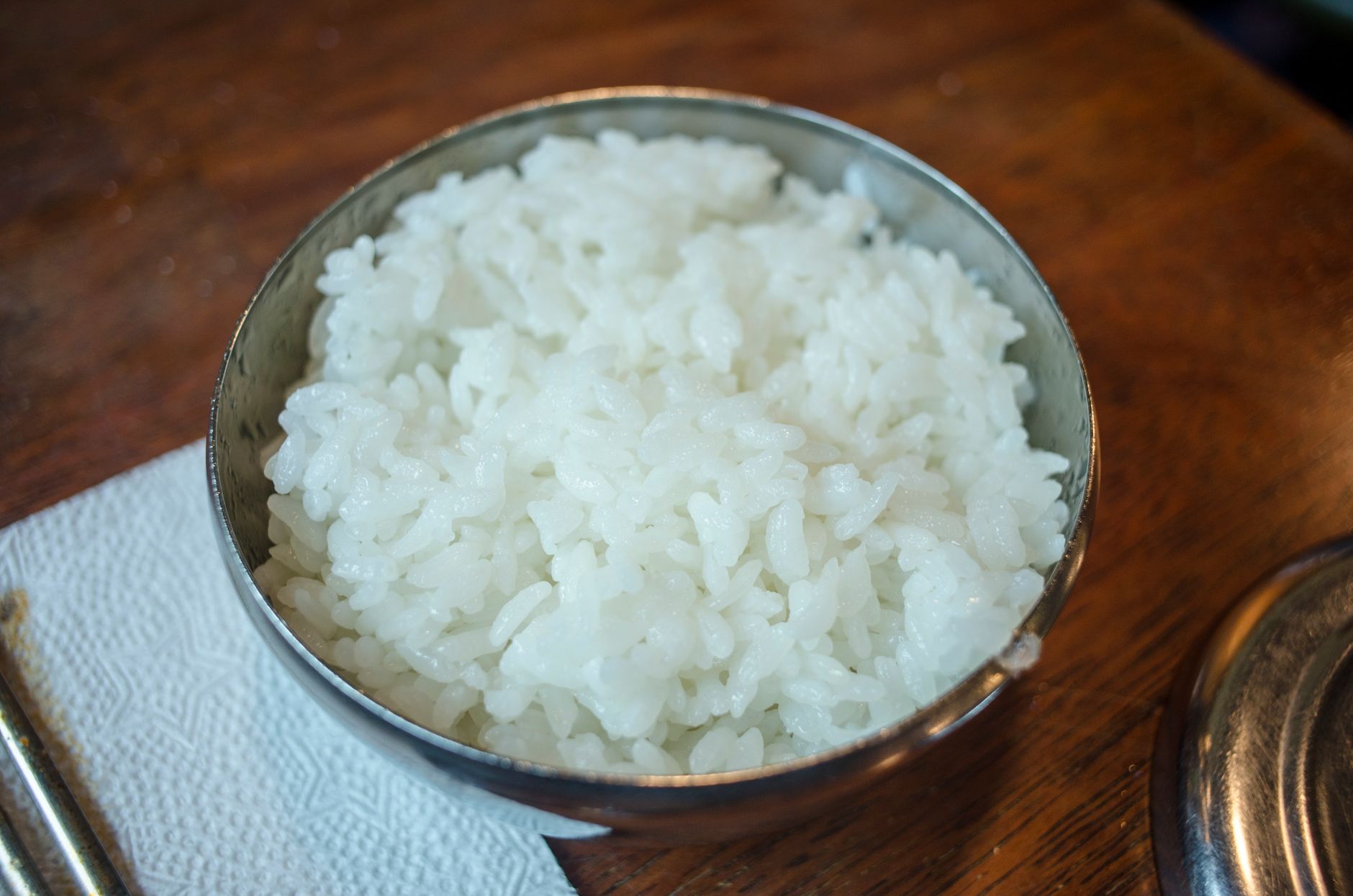
Rice is one of the most versatile staple foods around the globe, cherished for its diverse flavors and textures. Across various cultures, rice is a blank canvas, absorbing spices, sauces, and seasonings while adding its own subtle nuances to the dishes in which it is included.
This article delves into what rice tastes like, exploring different rice varieties, their flavors and textures, as well as practical serving suggestions to enhance your meals.
What Does Rice Taste Like?
Rice generally has a mild, slightly nutty flavor that can vary based on its type and preparation method. From the creamy richness of Arborio rice used in risottos to the fragrant notes of basmati rice in Indian cuisine, each variety adds its unique touch to dishes.
Exploring Different Rice Varieties
Understanding different types of rice can significantly enhance your cooking, as each variety has distinct characteristics influencing its taste and texture.
Long-Grain Rice
Long-grain rice varieties, such as Basmati and Jasmine rice, are known for their slim, elongated grains. These types tend to have a delicate and floral aroma, especially Jasmine rice, which lends a fragrant, yet subtle sweetness to dishes. When cooked, long-grain rice remains fluffy and separate, making it an ideal choice for pilafs and stir-fries.
Medium-Grain Rice
Medium-grain rice, including Arborio and Calrose rice, is slightly plumper and has a creamier texture when cooked. Arborio rice is famous for its starchiness, which contributes to the creamy consistency of risottos. This rice has a mild taste with a hint of nuttiness, making it perfect for absorbing flavors from stocks, wines, and seasonings.
Short-Grain Rice
Short-grain rice, such as Sushi rice, is stickier and more moist than its long and medium counterparts. This type of rice is often used in Japanese cuisine for sushi, providing a touch of sweetness and a chewy texture. Its ability to clump together makes it easy to eat with chopsticks, while its flavor is subtly sweet, allowing it to complement various sushi fillings and toppings.
Wild Rice
Though technically not true rice, wild rice is included in the broader family. It has a distinct, nutty flavor and chewy texture with a dark, earthy appearance. Wild rice lends a rich, robust taste to hot and cold dishes, making it an excellent addition to salads, soups, and grain bowls.
Brown Rice
Brown rice is a whole grain version of white rice that retains its bran and germ, providing a hearty texture and nuttier flavor. It takes longer to cook and has a chewier bite compared to white rice. The subtle, earthy taste of brown rice makes it an exceptional base for grain salads, vegetable bowls, and pilafs.
White Rice
White rice is the most commonly consumed variety and has a neutral flavor that easily absorbs surrounding ingredients. It tends to be fluffy and is often used in a wide variety of cuisines, including Asian, Latin American, and Mediterranean. Although it lacks the nutty flavor of brown rice, its softness and ability to meld with other flavors makes it a staple side dish.
Cooking Techniques to Enhance Rice Flavor
The way rice is prepared can significantly impact its taste and texture. Here are some techniques to maximize the flavor of your rice dishes.
Toasting Rice
Toasting rice before cooking can enhance its flavor. Heat a small amount of oil or butter in a pot and add the uncooked rice, stirring frequently until the grains become lightly golden. This process draws out natural aromas and adds depth to the rice, making it especially advantageous for varieties like Basmati or Jasmine.
Cooking in Broth or Stock
Instead of water, cook rice in vegetable, chicken, or beef broth to boost its flavor. The rice absorbs the savory liquid, resulting in a more aromatic and flavorful dish, perfect for pilafs or grain salads.
Infusing with Aromatics
Add aromatics like garlic, onion, or herbs while cooking rice. Sauté them briefly in oil before adding the rice and liquid. This technique allows the fragrance and essence of these ingredients to permeate the rice, enriching its overall profile.
Flavoring with Seasonings
Season your cooking water or broth with spices, salt, or herbs such as bay leaves or thyme. These additions create a lovely undertone of flavor in the rice. Experimenting with different combinations can yield delightful and unique results.
Common Mistakes to Avoid When Cooking Rice
Cooking rice may seem straightforward, but common errors can lead to undesirable results. Here are some pitfalls to avoid.
Not Rinsing Rice
Many types of rice are coated with excess starch, which can lead to a gummy texture if not rinsed. Rinse rice under cold water until it runs clear, which helps achieve a better texture once cooked.
Incorrect Ratios of Rice to Water
The ratio of rice to water is crucial for achieving the desired texture. While the general guideline is 1:2 (one part rice to two parts water or broth), some varieties like brown rice require more liquid. Be sure to follow specific directions for the rice you are using for optimal results.
Cooking at Too High a Heat
Cooking rice over high heat can cause it to boil too vigorously, leading to uneven cooking and potential overflow. Instead, bring the water to a gentle boil, then reduce the heat to low, cover, and allow it to simmer for the recommended time.
Skipping the Resting Period
After cooking, letting the rice rest covered for about five to ten minutes is essential. This step allows the grains to firm up and results in a better texture. Fluffing with a fork afterward also helps separate the grains.
Serving Ideas to Elevate Your Rice Dishes
Rice can serve as a base or side for a myriad of dishes. Here are some serving ideas to enhance your culinary creations.
As a Side Dish
Serve plain or seasoned rice alongside grilled meats, roasted vegetables, or curry dishes. The subtle taste of rice balances more intense flavors, making it a perfect accompaniment.
In Stir-Fries
Use leftover rice, particularly jasmine or basmati, in stir-fry dishes. The fluffy texture absorbs sauces and flavors from the vegetables and proteins, creating a satisfying meal.
In Grain Bowls
Create flavorful grain bowls by pairing rice with roasted vegetables, fresh greens, proteins like chicken or tofu, and a drizzle of dressing or sauce. This combination offers a textured and nutrient-rich meal.
In Salads
Incorporate cooked rice into salads for added bulk and a delightful chewiness. Brown rice, wild rice, or even cold jasmine rice can enhance salads with a heartier texture.
As a Base for Casseroles
Use rice as a base for casseroles and baked dishes. This method absorbs flavor and moisture, resulting in creamy and filling meals. Try incorporating quinoa or brown rice for added nutrition.
Storage and Reheating Guidelines for Rice
Proper storage can extend the life of cooked rice and ensure food safety. Here’s how to store and reheat rice effectively.
Storing Cooked Rice
Cool cooked rice to room temperature before transferring it to an airtight container. Store it in the refrigerator for up to four days. If you plan to keep it longer, consider freezing cooked rice in individual portions, which keeps well for about six months.
Reheating Cooked Rice
To reheat rice, add a splash of water to prevent dryness and cover the container. Use the microwave or a stovetop pot, ensuring it is heated through to an internal temperature of 165°F (74°C). Stirring occasionally will help evenly distribute heat.
Conclusion
Rice is a fundamental ingredient known for its mild flavor and adaptability. Understanding its various types, cooking methods, and serving suggestions can help elevate your culinary creations and enhance the overall taste of your meals. Experimenting with rice can lead to delightful discoveries, making this staple a cherished part of your kitchen repertoire.
Explore related recipes and cooking techniques to expand your culinary knowledge, such as an Arborio rice recipe or a comforting recipe for rice pudding. Happy cooking!