
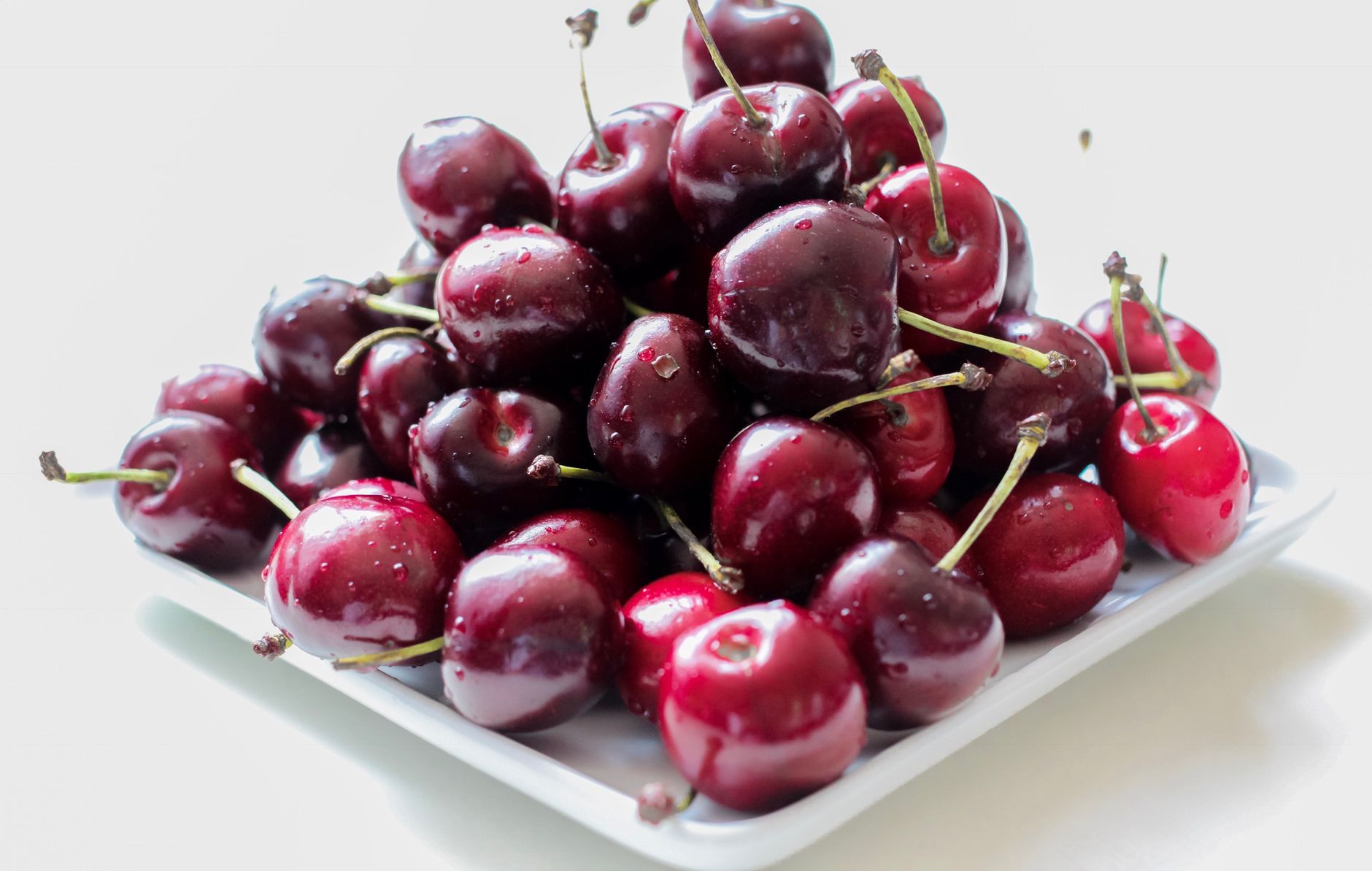
Cherries are not only a popular fruit enjoyed for their sweet and tart flavor, but they also offer numerous health benefits. Packed with vitamins, minerals, and antioxidants, cherries can contribute positively to your overall health. Understanding what cherries do for the body can help you incorporate them into your diet effectively.
This article delves into the nutritional benefits of cherries, their different varieties, cooking methods, and recipe ideas to enhance your meals while enjoying these vibrant fruits.
What Does Cherries Do for the Body?
Cherries provide a variety of health benefits, including anti-inflammatory properties, improved sleep quality, and enhanced heart health. Packed with vitamins C and A, potassium, and antioxidants, cherries can help reduce oxidative stress and may support overall cellular health.
The Nutritional Profile of Cherries
A thorough understanding of cherries’ nutritional composition can clarify their health benefits. Here’s a breakdown of the essential nutrients found in a 1-cup serving (approximately 154 grams) of sweet cherries:
- Calories: 97
- Carbohydrates: 25 grams
- Fiber: 3 grams
- Sugars: 20 grams
- Protein: 2 grams
- Fat: 0.3 grams
- Vitamin C: 18% of the Daily Value (DV)
- Potassium: 10% of the DV
- Vitamin A: 6% of the DV
- Vitamin K: 2% of the DV
Health Benefits of Cherries
Cherries are more than a tasty snack. Here are several health benefits they provide:
1. Anti-Inflammatory Effects
Cherries, particularly tart varieties like Montmorency, have potent anti-inflammatory properties. Studies suggest that consuming cherries may help in reducing symptoms associated with arthritis, gout, and other inflammatory conditions. The antioxidants in cherries help combat oxidative stress, which can contribute to chronic inflammation.
2. Improved Sleep Quality
Tart cherries are a natural source of melatonin, the hormone responsible for regulating sleep cycles. Some studies indicate that consuming tart cherry juice may improve the duration and quality of sleep, making them an excellent option for individuals facing sleep disturbances.
3. Heart Health
Regular consumption of cherries has been linked to lower cholesterol levels and reduced risk factors for heart disease. The potassium in cherries helps to regulate blood pressure, while their antioxidant content supports vascular health by improving blood flow and reducing inflammation.
4. Weight Management
Cherries are low in calories and high in water content, making them a satisfying snack. Their fiber content can help keep you feeling full, which may assist in weight management or loss. Including cherries in a well-rounded diet can help reduce cravings for less nutritious foods.
5. Enhanced Athletic Performance
Some athletes use tart cherry juice to aid in recovery from intense workouts. The anti-inflammatory properties can help reduce muscle soreness and improve recovery time. Incorporating cherries into post-workout nutrition can contribute to overall athletic performance.
6. Disease Prevention
The antioxidants found in cherries, specifically anthocyanins, may help lower the risk of chronic diseases such as diabetes, cancer, and heart disease. By neutralizing free radicals, these compounds play a significant role in cellular protection and overall health.
Types of Cherries
Understanding the different varieties of cherries can help you choose the ones that best suit your culinary needs. The two primary types of cherries are:
1. Sweet Cherries
Sweet cherries are the most common variety and are enjoyed fresh or in desserts. Varieties like Bing and Rainier are particularly popular. These cherries are juicy and have a rich, sweet flavor, making them perfect for snacking, salads, or smoothies.
2. Tart Cherries
Tart cherries, such as Montmorency, are less sweet and often used in cooking and baking. Their tartness allows for balance in desserts, and they are commonly found in pie filling or preserved as cherry juice concentrate. Tart cherries are particularly noted for their health benefits.
How to Choose and Store Cherries
Selecting the best cherries involves looking for several key qualities:
- Color: Look for bright and vibrant colors, whether red or yellow, depending on the variety.
- Firmness: Choose cherries that are firm and plump, avoiding any that are soft or wrinkled.
- Stems: If possible, choose cherries with stems attached, as this indicates freshness.
For storage, keep cherries in a breathable container in the refrigerator. They can generally last for up to a week. Avoid washing cherries until you are ready to eat them, as moisture can promote mold growth.
Culinary Uses of Cherries
Cherries can be used in a variety of culinary applications, from sweet to savory dishes. Here are some ideas:
1. Fresh Consumption
Enjoy cherries raw as a healthy snack. They can also be added to salads, providing a burst of flavor and color.
2. Baking
Cherries are excellent in baked goods. Consider using them in pies, tarts, or crumbles. Tart cherry pie, for example, is a beloved dessert that showcases their flavor.
3. Jams and Jellies
Preserving cherries as jams or jellies captures their flavor and can be enjoyed year-round. Tart cherries are particularly delicious in these preserves.
4. Smoothies and Juices
Add cherries to smoothies for a nutritious boost. Tart cherry juice can also be taken as a health supplement or mixed into beverages for additional flavor.
5. Sauces and Glazes
Cook cherries down into sauces or glazes for meats. Sweet chutneys made with cherries pair wonderfully with pork or chicken dishes, adding a sweet-tart contrast.
Recipes Featuring Cherries
Incorporating cherries into your meals can be simple and rewarding. Here are a couple of easy recipes to get you started:
Cherry Smoothie
This refreshing cherry smoothie is perfect for breakfast or an afternoon snack.
Yield: 2 servings
Preparation Time: 5 minutes
Ingredients:
- 1 cup fresh or frozen cherries, pitted
- 1 banana
- 1 cup Greek yogurt
- 1/2 cup milk or a dairy-free alternative
- 1 tablespoon honey (optional)
Method:
- Add the cherries, banana, Greek yogurt, milk, and honey (if using) to a blender.
- Blend on high speed until smooth and creamy.
- Pour into glasses and enjoy immediately.
Tart Cherry Pie
This classic dessert is a great way to showcase tart cherries.
Yield: 8 servings
Preparation Time: 20 minutes
Cooking Time: 45 minutes
Ingredients:
- 4 cups tart cherries, pitted
- 1 cup sugar
- 1/4 cup cornstarch
- 1 tablespoon lemon juice
- 1 teaspoon vanilla extract
- 1/4 teaspoon salt
- 1 pie crust (homemade or store-bought)
Method:
- Preheat the oven to 425°F (220°C).
- In a bowl, combine tart cherries, sugar, cornstarch, lemon juice, vanilla extract, and salt. Mix well.
- Place pie crust in a pie dish and pour the cherry mixture into the crust.
- Cover with another layer of pie crust or create a lattice crust. Cut slits for steam to escape.
- Bake for 45 minutes or until the crust is golden brown and the filling is bubbling.
- Let cool before slicing and serving.
Practical Tips for Using Cherries
When incorporating cherries into your diet, consider the following tips:
- Experiment with different varieties to find your favorite flavors.
- Combine cherries with other berries or fruits in salads or dessert for added nutrient diversity.
- Try making homemade cherry juice for a refreshing beverage.
- Can cherries in syrup or make preserves for year-round enjoyment.
Common Mistakes to Avoid
When working with cherries, avoid these common pitfalls:
- Not pitting cherries properly, leading to unpleasant chewing experiences.
- Overcooking cherries in recipes, which can lead to a loss of flavor and texture.
- Neglecting to adjust sugar levels in recipes, particularly when using tart cherries.
Storage and Preservation
To extend the shelf life of cherries, consider freezing them. Here’s how to do it:
- Wash cherries thoroughly and remove stems and pits if desired.
- Spread cherries in a single layer on a baking sheet and place them in the freezer until frozen.
- Transfer the frozen cherries to an airtight container or freezer bag for long-term storage.
Frozen cherries are excellent for use in smoothies, baking, or cooking during the off-season.
Conclusion
Cherries are a delicious fruit that not only adds flavor and color to your dishes but also supports various aspects of health. Their antioxidant properties, anti-inflammatory benefits, and delightful taste make them versatile in the kitchen. Whether enjoyed fresh, baked, or as a juice, incorporating cherries can enhance your meals and your well-being.
Explore our Cherries in the Snow recipe for a delightful dessert or try our Cherry Cheesecake recipe for a flavorful twist on a classic. Expand your culinary horizons with these tasty options!