
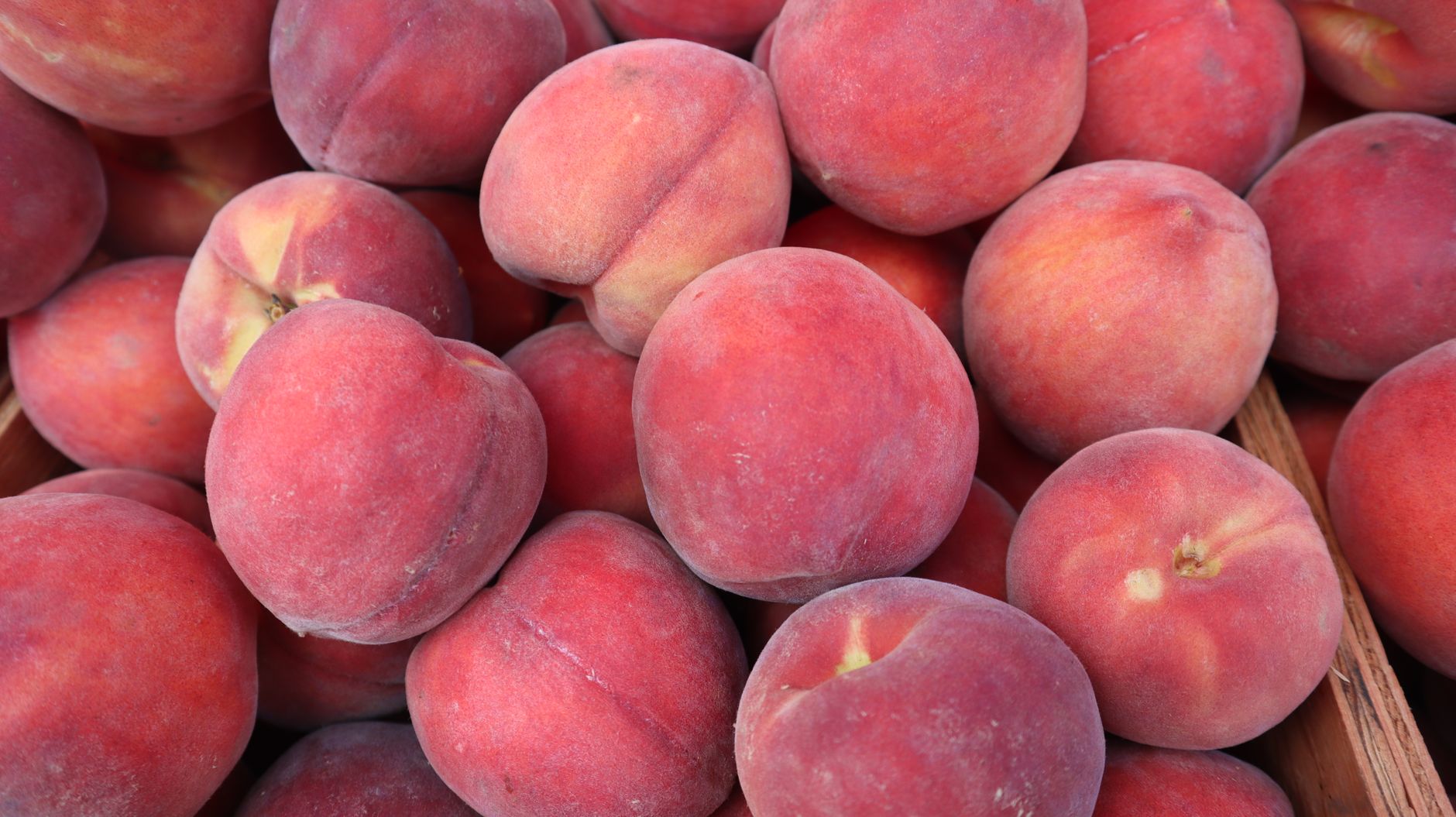
Freestone peaches are a beloved variety known for their unique characteristics, making them a favorite among fruit enthusiasts and home cooks alike. Unlike clingstone peaches, where the flesh clings stubbornly to the pit, freestone peaches easily separate from the pit, which allows for simple handling and preparation. Whether you’re biting into one fresh, baking them into a pie, or using them in preserves, understanding freestone peaches will enhance your culinary experience.
This article will delve into the taste, texture, and versatile uses of freestone peaches, providing you with insights to select the best peaches at the market, ideas for incorporating them into your cooking, and tips for storage and preservation.
What Are Freestone Peaches?
Freestone peaches are a variety of peach characterized by the ease with which the flesh detaches from the pit. This trait makes them ideal for various culinary uses since they are easy to slice and eat. They generally have a juicy, sweet flavor that intensifies as they ripen, making them a popular choice for fresh eating and cooking alike.
Freestone varieties can be further categorized into yellow-fleshed and white-fleshed peaches, each offering distinct flavor profiles. Yellow-fleshed peaches tend to be sweeter with a slightly tangy undertone, while white-fleshed peaches are generally milder and less acidic, boasting a floral aroma.
Identifying Freestone Peaches
When shopping for freestone peaches, look for the following characteristics:
- Color: They range from pale yellow to deep red; look for vibrant colors indicating ripeness.
- Firmness: Gently squeeze the peach; it should yield slightly without being overly soft or mushy.
- Aroma: A fragrant peach will typically have a sweet, fruity scent, signaling ripeness.
- Skin: Look for smooth, unblemished skin. Minor blemishes may be acceptable, but avoid those with bruising.
When Are Freestone Peaches in Season?
Freestone peaches are typically in season during the summer months, from June to September, depending on your geographic location. During this time, they are at their freshest and most flavorful, making them perfect for a variety of dishes. Check your local farmers’ markets for the best quality peaches during this peak season.
Kitchen Uses for Freestone Peaches
Freestone peaches are incredibly versatile in the kitchen, lending themselves well to various culinary applications. Here are some popular uses:
Fresh Eating
One of the simplest and most delightful ways to enjoy freestone peaches is by eating them fresh. Their sweet, juicy flesh makes for a satisfying snack or refreshing addition to fruit salads. To prepare:
- Wash the peach under running water.
- Slice it in half around the pit, turning it to separate the two halves.
- Twist and gently pull apart—enjoy the flesh without the pit.
Baking
Fresh freestone peaches shine in various baked goods. Use them in pies, tarts, and cobblers where their sweetness complements the dough and any spices or creaminess added. Here’s a simple guideline for preparing freestone peaches for baking:
- Preheat your oven according to your recipe.
- Peel (optional) and slice the peaches into desired sizes based on your recipe.
- Toss the peach slices in a mixture of sugar, flour, and spices if making a peach pie or cobbler. This enhances the natural flavors and helps thicken the filling.
Preserves and Jams
Preserving freestone peaches allows you to enjoy their flavor long after summer is gone. Making peach preserves is a delightful way to capture their summer essence. Follow these steps for peach preserves:
- Prepare your peaches by washing, pitting, peeling, and chopping them.
- In a large pot, combine the chopped peaches, sugar, lemon juice, and pectin (if using).
- Simmer the mixture over medium heat, stirring frequently until it thickens, about 15-25 minutes.
- Jar the preserves in sterilized jars and follow proper canning methods.
Grilling
Grilling peaches enhances their sweetness and adds a smoky flavor that’s perfect for summer barbecues. To grill peaches:
- Cut the peaches in half and remove the pit.
- Brush them lightly with olive oil or melted butter.
- Preheat your grill over medium heat.
- Place the peach halves cut-side down on the grill and cook for 4-5 minutes until grill marks form.
- Serve with yogurt, ice cream, or as a topping for grilled meats.
Salads and Salsas
Freestone peaches can add a sweet, juicy element to salads and salsas. Combine fresh peach slices with ingredients like greens, nuts, cheese, or herbs for a refreshing summer salad. Alternatively, create a peach salsa with diced peaches, onions, cilantro, lime juice, and jalapeños for a vibrant topping for grilled fish or chicken.
Storage Tips for Freestone Peaches
To maximize the freshness and quality of freestone peaches, follow these storage tips:
- Room Temperature: Ripe peaches can be stored at room temperature to preserve their flavor. Place them in a single layer, away from direct sunlight.
- Refrigeration: If your peaches are fully ripe, store them in the refrigerator to slow down spoilage. Keep them in a produce drawer, ideally within a paper bag to prevent moisture loss.
- Freezing: To preserve peaches long-term, wash and slice them, then freeze on a baking sheet before transferring to an airtight container. They can be used directly from the freezer for smoothies, baking, or cooking.
Common Mistakes When Using Freestone Peaches
While freestone peaches are user-friendly, there are a few common mistakes to avoid:
- Using Unripe Peaches: Using peaches that are not fully ripe can result in a less flavorful dish. Always choose peaches that yield slightly when squeezed.
- Overcooking: When baking or grilling peaches, overcooking can lead to mushy textures. Keep an eye on them, so they maintain their shape.
- Ignoring the Skin: The skin of the peach adds flavor and texture. Unless a recipe specifies otherwise, it’s best to leave the skin on.
Variations and Substitutions
If you cannot find freestone peaches, you may consider using other stone fruits, although the flavor and texture may differ:
- Clingstone Peaches: More challenging to pit, they are also sweet and juicy but may not provide the same convenience.
- Nectarines: Similar in taste and texture, nectarines can be used interchangeably in most recipes.
- Plums: These can lend a different flavor profile, offering a slightly tart bite but can be a fun alternative in desserts.
Conclusion
Freestone peaches are a delightful addition to any kitchen, bringing sweetness and versatility to your culinary repertoire. Their ease of preparation, delicious flavor, and beautiful color make them perfect for fresh eating, baking, grilling, and preserving. By selecting ripe peaches, storing them properly, and avoiding common mistakes, you can fully enjoy the summer abundance of this beloved stone fruit.
Explore more recipes and tips by making sweet peach syrup or delicious peach preserves to capture the essence of peach season!