
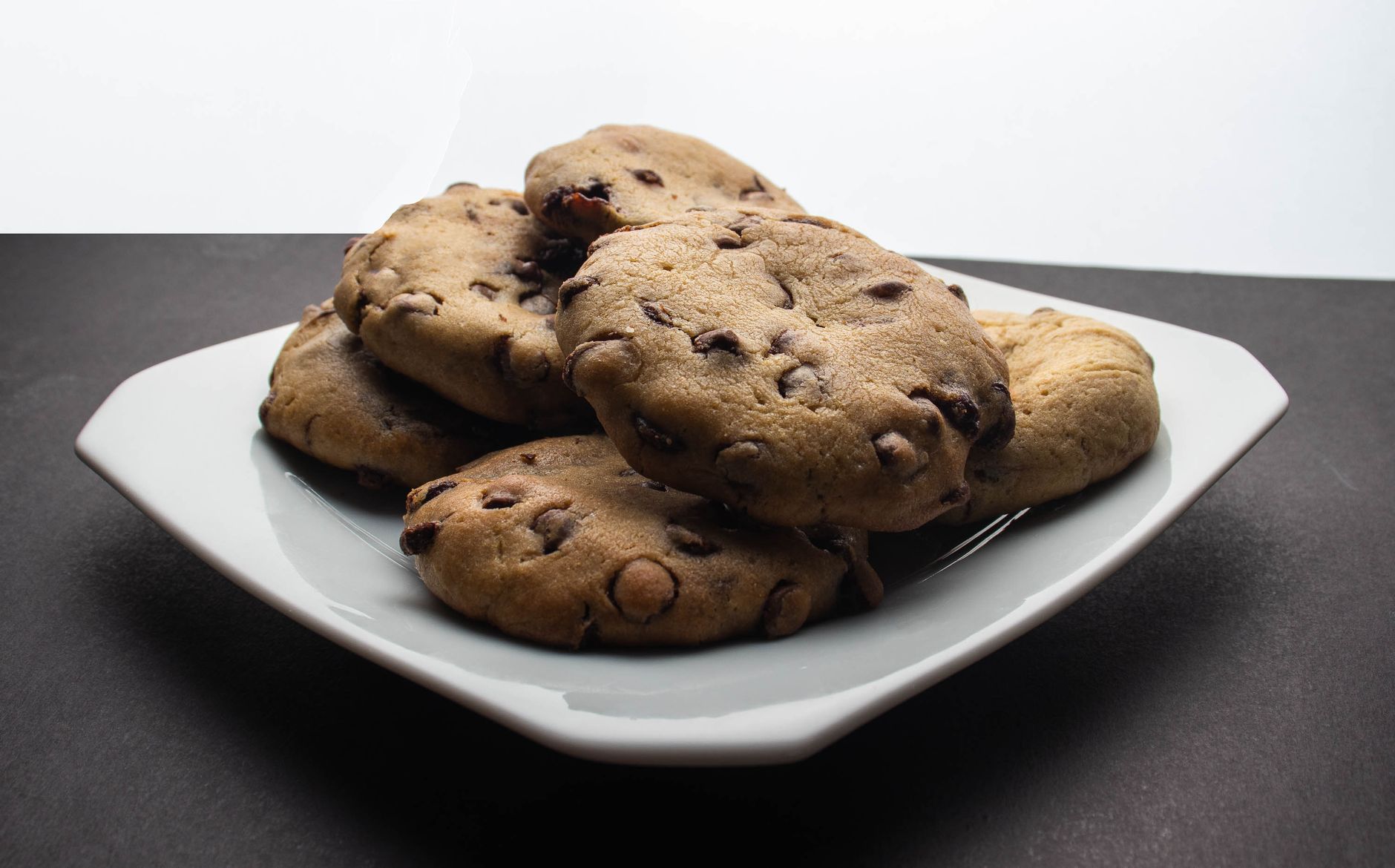
Have you ever pulled a tray of chocolate chip cookies from the oven only to find they’ve spread into flat and lifeless discs? While the taste may still be delightful, a flat cookie can be disheartening. Understanding the reasons behind flat cookies is essential for achieving the perfect texture and rise.
This guide explores the common culprits behind flat chocolate chip cookies, along with preventative measures and adjustments. Whether you’re a beginner baker or someone looking to refine their skills, this article will help you make those cookies the right way, providing tips, techniques, and a deeper understanding of the science behind baking.
Why Did My Chocolate Chip Cookies Come Out Flat?
Cookies can turn out flat for various reasons including incorrect ingredient ratios, oven temperature, or mixing techniques. A thorough examination of each factor helps in pinpointing the issues and achieving the desired results.
Common Reasons for Flat Cookies
1. Incorrect Flour Measurement
Flour acts as the backbone of cookies, providing structure and rise. Using too little flour can lead to flat cookies. Different methods of measuring flour can yield varying amounts; for instance, scooping flour directly from the bag compresses it, resulting in more flour than intended. Always use the spoon-and-level method for accuracy.
2. Insufficient Butter or Too Much Sugar
Butter not only adds flavor but also affects the cookies’ texture. When butter is melted or too warm, it can lead to cookies spreading excessively. Conversely, using too much sugar can also make cookies flatter. Sugar, particularly granulated sugar, melts in the oven, contributing to the spreading effect. Adjusting the butter-to-sugar ratio can lead to stiffer dough and a better rise.
3. Baking Soda vs. Baking Powder
The leavening agent you choose plays a significant role in how your cookies rise. Baking soda requires an acid to function correctly, while baking powder has both an acid and a base. If you use baking soda without enough acid (like brown sugar or vinegar), your cookies may end up flat. Ensure you are using the appropriate leavening agent for your recipe.
4. Overmixing the Dough
Mixing the dough too much can incorporate excess air and break down the flour gluten structure. This can lead to the cookies spreading too thin while baking. It’s best to mix until just combined to keep the right texture. Stop as soon as you no longer see flour in the mixture.
5. Temperature of Ingredients
Using cold butter or eggs straight from the fridge may not create the correct consistency for your dough. Room-temperature butter should be creamy but not melted, and eggs should also be at room temperature to create a uniform mixture. This helps achieve a proper emulsion, contributing to a well-risen cookie.
6. Oven Temperature Issues
Oven temperature can vary significantly from one appliance to another. Baking at a temperature that is too low can lead to spreading before the cookies begin to set. An oven thermometer is an essential tool for bakers, as it provides a precise reading of the actual temperature. Preheating the oven properly is equally important to ensure the cookies rise correctly.
7. Cookie Sheet Type
The type of cookie sheet used can significantly affect how cookies bake. Dark metal sheets absorb more heat, leading to quicker browning; this can help cookies maintain their shape. In contrast, light-colored or insulated sheets may prevent them from browning adequately and cause them to spread more. Consider the type of baking sheet to use to help cookie structure.
8. Insufficient Chilling Time
Chilling the dough before baking can greatly improve cookie structure. It allows the flavors to meld while preventing excessive spreading. Ideally, let the dough chill in the refrigerator for at least 30 minutes or even overnight if time allows. This not only enhances flavor but also helps achieve a thicker cookie.
Preventative Measures for Successful Chocolate Chip Cookies
Knowing the causes of flat cookies is a great first step; however, implementing specific strategies will enhance your baking experience. Here are key measures you can take to ensure perfect cookies:
- Weigh Your Ingredients: To avoid measurement errors, consider investing in a kitchen scale. Weighing flour, sugar, and other dry ingredients ensures accuracy.
- Use Chilled Ingredients: Keep your butter firm and eggs at room temperature for better mixing. You can soften butter quickly by cutting it into small cubes and allowing it to sit at room temperature for about 10-15 minutes.
- Create Adequate Dough Structure: Ensure you have enough flour, and adjust your fat and sugar ratios to stabilize the cookie dough. The ideal ratio is generally two cups of flour to one cup of butter and sugar.
- Correct Leavening Agents: Make sure you’re using the right one for your recipe and that it is fresh. An opened baking soda or powder should be replaced every six months.
- Adjust Baking Temperatures: Place your oven thermometer at the center so you can monitor the real temperature before baking. Bake also in the center rack for even heat distribution.
- Chill the Dough: Plan for chilling time, as the benefits far outweigh the wait. Moreover, chilled dough helps with handling and shaping, preventing unwanted adhesive dough.
Additional Tips for Perfecting Your Cookies
1. Experiment with Ingredients
Substituting or adjusting certain ingredients can lead to significant changes in cookie texture and flavor. For instance, you might consider using whole wheat flour for added nutrition and a slight nuttiness. Alternatively, try using a combination of chocolate varieties, such as semi-sweet and dark chocolate chips, for added depth in flavors.
2. Cookie Thickness and Sizes
The thickness of cookie dough balls before baking can also influence their final structure. When shaping the dough, keep them higher rather than wider to reduce the likelihood of spreading. Using a cookie scoop helps in achieving uniformity in size.
3. One-Bowl Method
For simplicity, consider using a one-bowl method where dry and wet ingredients are mixed in one bowl. This reduces cleanup and simplifies the cookie process while ensuring even mixing. Just be cautious not to overmix.
4. Be Mindful of Toppings
If you are adding toppings like nuts, chocolate chunks, or sprinkles, add them after the dough has formed and without overmixing. This helps maintain the integrity and prevents excessive spreading.
Making Adjustments to Existing Recipes
When trying to improve a chocolate chip cookie recipe that resulted in flat cookies, consider modest adjustments rather than starting from scratch. Here are some effective alterations:
- Increase Flour: If your dough looked too wet or sticky, add an extra tablespoon of flour gradually until the right consistency is reached.
- Reduce Butter: For those recipes that resulted in excessive spreading, reducing the butter by 1-2 tablespoons may achieve better results.
- Adjust Sugar Content: Reducing sugar by 1-3 tablespoons can help control the spread while still giving the cookies sweetness.
Common Cookie Baking Questions
Can I still eat flat cookies?
Absolutely. While they may not have the desired texture, flat cookies are still delicious and can be enjoyed as a treat.
Should I bake cookies at a lower temperature?
If you find that your cookies consistently flatten, experimenting with lower temperatures may help. Baking at 325°F (163°C) for slightly longer can create a more favorable environment for them to rise while preventing spreading.
How can I store cookies after baking?
Once cooled, store cookies in an airtight container at room temperature. If you want to maintain their texture, consider layer parchment paper between cookies to minimize moisture. For longer storage, cookies can be frozen for up to three months.
Storage and Freezing Cookies
Ensuring that your cookies maintain freshness is as important as baking them properly. To store baked cookies, place them in an airtight container at room temperature for up to a week. For longer storage, follow these tips:
- Freezing Dough: Cookie dough can be frozen for up to three months. Shape the dough into balls and freeze on a baking sheet before transferring to an airtight container.
- Freezing Baked Cookies: Allow cookies to cool completely before placing them in freezer-safe containers or bags. Layer parchment paper or wax paper between cookies to prevent sticking.
- Thawing: Thaw frozen cookies at room temperature for about 30 minutes or warm them in the oven for a few minutes before serving.
By understanding the science behind cookie baking and incorporating these tips, tricks, and adjustments, you can overcome the challenges of flat chocolate chip cookies. It’s a rewarding experience that combines knowledge and creativity to create that perfect treat.
For more exploration, consider checking out our Ghirardelli chocolate chip cookie recipe or delve into our snickerdoodle recipe without cream of tartar for further baking inspiration.