
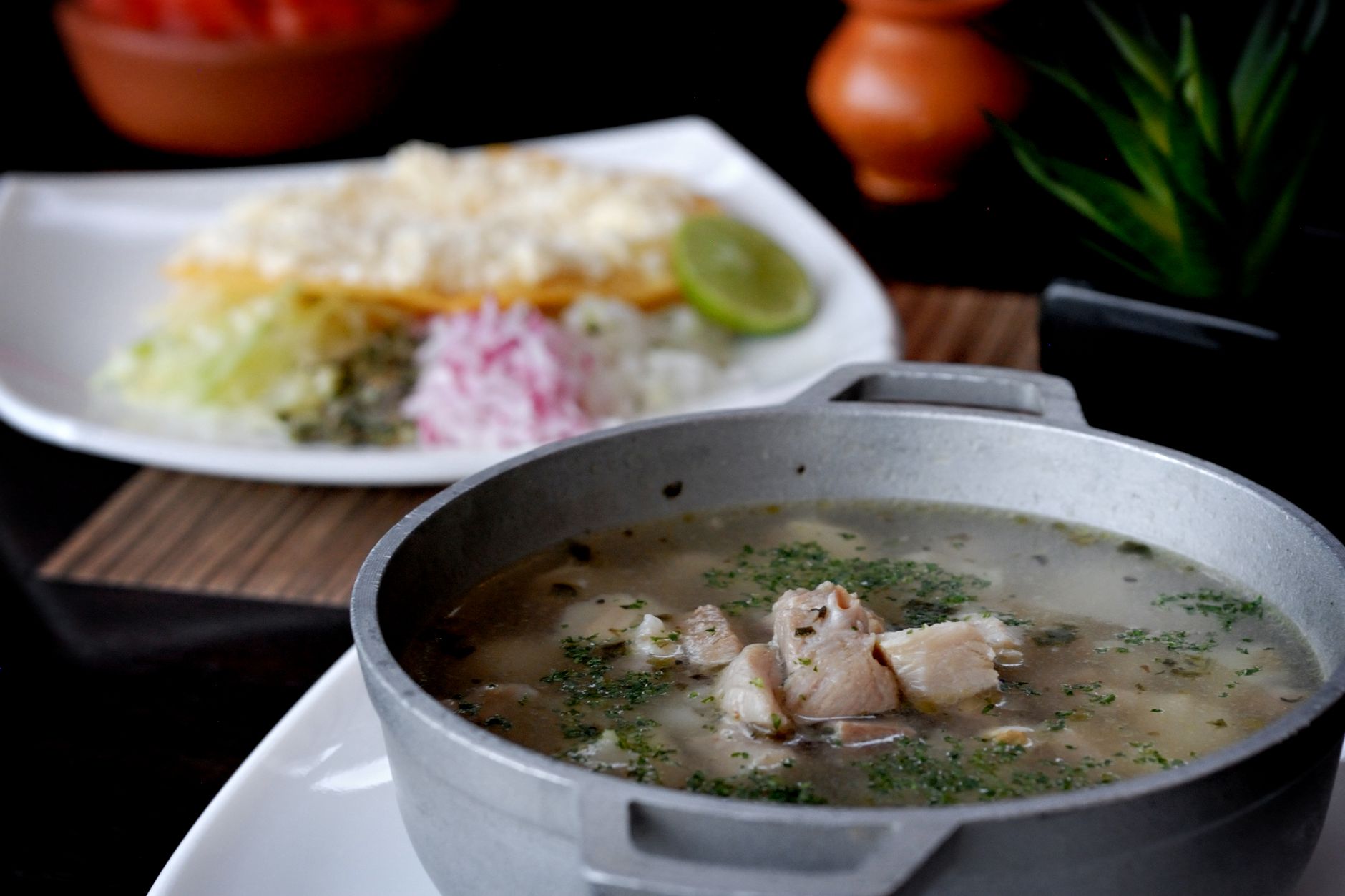
Pozole is a traditional Mexican soup or stew that has deep cultural and historical significance. It is characterized by its rich flavors and hearty ingredients, making it a popular choice for festive occasions and family gatherings. This article explores whether pozole is a Mexican dish, delves into its origins, variations, and serving suggestions, offering an in-depth understanding of this beloved meal.
In addition to answering the question of its origins, we will also cover preparation tips, ingredient lists, and the various regional variations of pozole. Whether you are a seasoned cook or a culinary novice, this comprehensive guide will serve as your go-to resource for everything related to pozole.
Is Pozole Mexican?
Yes, pozole is a traditional Mexican dish with roots that can be traced back to pre-Columbian times. It is made primarily from hominy, which are dried corn kernels that have been treated with an alkali to soften them. Pozole is usually accompanied by a variety of toppings, making it a unique and customizable dish.
Historical Background of Pozole
The origins of pozole can be traced back to the Aztec civilization, where it played a significant role in rituals and celebrations. The Aztecs used corn as a staple food, and pozole was initially made with human flesh, according to some historical accounts, but this practice ceased with the arrival of Spanish colonizers. Over time, the recipe evolved to include meats like pork, chicken, or turkey.
The word “pozole” itself comes from the Nahuatl word “pozolli,” meaning “frothy.” This description aptly reflects the dish’s hearty and comforting nature. Pozole is more than just a meal; it symbolizes hospitality and community, often served in large quantities for special occasions.
Main Ingredients in Pozole
The primary ingredients in pozole include hominy, meat, broth, and various seasonings. Here’s a detailed list:
- Hominy: Dried corn kernels that have been processed with lime to create a puffy texture.
- Meat: Typically, pork, chicken, or turkey is used.
- Broth: Prepared from the meat and flavored with garlic, onion, and spices.
- Seasonings: Cumin, oregano, and pepper are often included.
- Vegetables: Additional ingredients may include diced onion, radishes, and cabbage for garnish.
- Sauces: Red or green chili sauces can enhance the flavor.
Variations of Pozole
Pozole can be categorized into several regional variations, each offering unique flavors and ingredients:
Pozole Rojo (Red Pozole)
Pozole Rojo is characterized by its vibrant red color, derived from the use of dried red chilies, such as guajillo or ancho. This version is prevalent in many regions of Mexico, especially in the state of Jalisco.
Pozole Verde (Green Pozole)
Pozole Verde gets its color from tomatillos and green chilies, which provide a tangy and refreshing flavor profile. This variation is particularly popular in the state of Guerrero. For a recipe to make pozole verde, you can check this link.
Pozole Blanco (White Pozole)
Pozole Blanco is the most straightforward version, typically made without adding any red or green sauces. This variation allows the natural flavors of the ingredients to shine, making it common in many households.
Preparing Pozole: A Step-by-Step Guide
Making pozole at home involves several steps, but the process is straightforward. Below is a recipe for classic pozole that serves approximately eight people:
Ingredients
- 2 cups hominy (canned or dried)
- 2 lbs of pork shoulder, cut into chunks
- 1 onion, quartered
- 4 cloves of garlic, minced
- 1 tablespoon cumin
- 1 tablespoon dried oregano
- 1 teaspoon black pepper
- 8 cups water or chicken stock
- Salt to taste
Essential Equipment
- Large pot or Dutch oven
- Cutting board
- Knife
- Measuring cups and spoons
- Slotted spoon
- Serving bowls
Method
- Begin by rinsing the hominy under cold water if using canned. If using dried hominy, soak it overnight and then boil it until tender.
- In a large pot, combine the pork shoulder, onion, garlic, cumin, oregano, black pepper, and salt. Add 8 cups of water or chicken stock.
- Bring the mixture to a boil over high heat. Once it reaches a boil, reduce the heat to low and let it simmer for about 2 hours, or until the pork is tender.
- Remove the pork from the pot and shred the meat with a fork. Return the shredded meat to the pot.
- Add the cooked hominy to the pot and stir to combine. Simmer for an additional 30 minutes, allowing the flavors to meld.
- Adjust seasoning with salt as needed.
- To serve, ladle the pozole into bowls and allow each guest to customize their dish with toppings such as diced onion, radishes, shredded cabbage, or tortilla strips.
Serving Suggestions and Customizations
Pozole is traditionally served in a large bowl, allowing for individual customization. Here are some popular toppings that can elevate your pozole experience:
- Diced avocado
- Chopped cilantro
- Lime wedges
- Crushed chili flakes or powder for heat
- Thinly sliced radishes
- Shredded cabbage or lettuce
- Tortilla chips or tostadas
Common Mistakes and Troubleshooting
While making pozole, there are a few common pitfalls to avoid:
- Undercooked Meat: Ensure that the pork is cooked until tender. If using a tougher cut of meat, it may require additional cooking time.
- Flavor Imbalance: Adjust the seasonings to taste. Remember that it’s easier to add salt later than to fix over-salting.
- Soggy Hominy: If using canned hominy, rinsing and not overcooking it can help maintain the texture.
Health Considerations
Pozole can be part of a balanced diet. Its base of meat and hominy provides protein and carbohydrates, while added vegetables enhance its nutritional value. However, the calories can add up with the addition of various toppings. Knowing this, portion control can help maintain a nutritious meal without overindulging.
For more detailed information about whether pozole is a healthy option, check out this resource.
Make-Ahead and Storage Tips
Pozole can be prepared in advance and stored in the refrigerator for up to three days. The flavors often improve after a day as they have more time to meld together. To store:
- Allow the pozole to cool completely before transferring it to an airtight container.
- Reheat it gently on the stovetop, adding a little water or broth if it appears too thick.
Conclusion
Pozole is undeniably a traditional Mexican dish with rich historical and cultural significance. Its ability to be customized with various meats, flavors, and toppings makes it versatile and a favorite among many. Whether you’re gathering family and friends for a celebration or enjoying a quiet meal, pozole is an excellent choice that embodies the spirit of Mexican cuisine.
For detailed recipes and additional cooking tips, consider exploring more dishes like pozole. Learn how to prepare pozole verde, or delve into whether pozole is healthy for your dietary needs.