
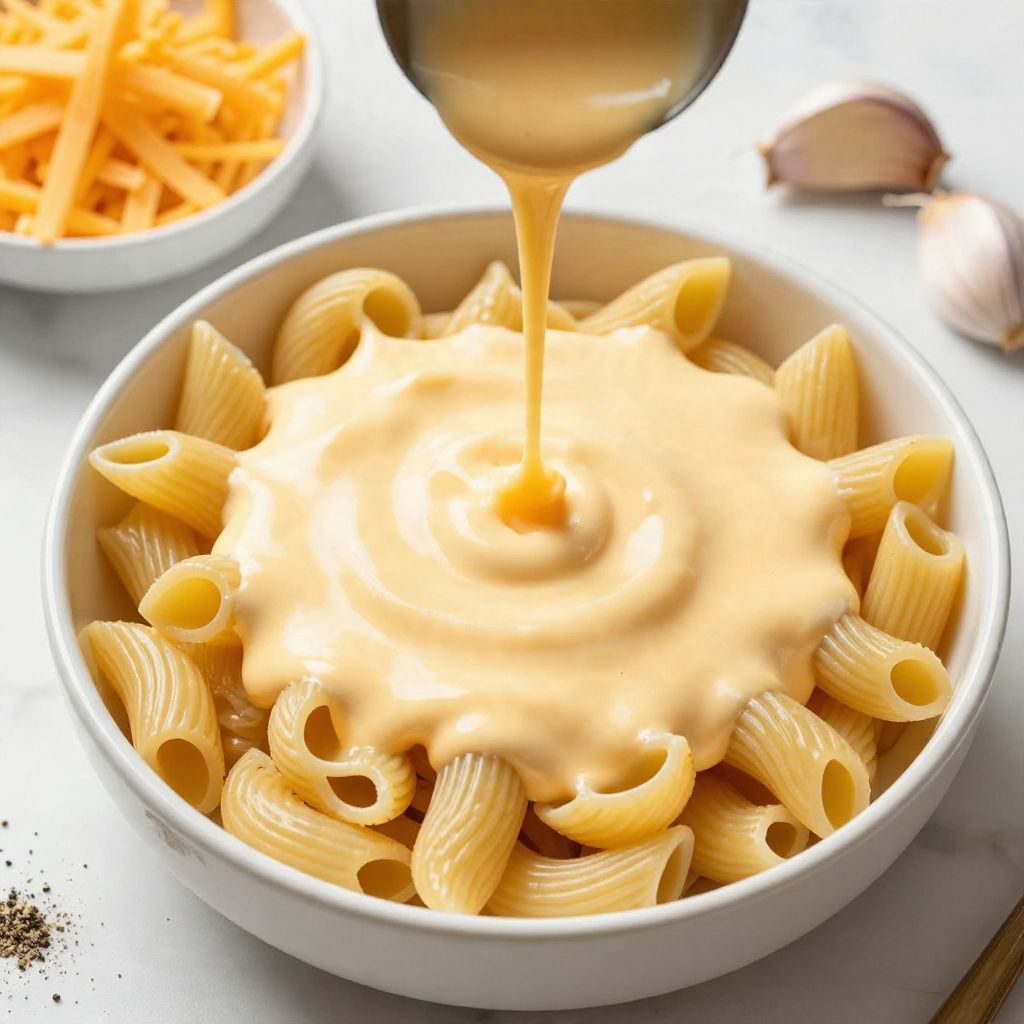
Picture this: a warm, gooey cheese sauce dripping over your favorite dishes, bringing comfort with every bite. The Basic Cheese Sauce Recipe is not just a quick fix; it’s a versatile delight that enhances everything from pasta to vegetables.
This creamy sauce is rich in flavor, easy to whip up, and can elevate even the simplest meals into something special. Let’s dive into the ingredients and steps to make this delicious sauce that you’ll want to keep on hand!
Why You’ll Love This Recipe
This cheese sauce is a must-have for any home cook. It combines ease with rich flavor.
- Quick to prepare in under 15 minutes.
- Perfectly creamy and smooth texture.
- Versatile for various dishes.
- Customizable with different cheeses.
- Kid-friendly and family-approved.
My Experience Making This Recipe
When I first made this cheese sauce, the aroma filled my kitchen, and I couldn’t wait to taste it. As soon as I poured it over my pasta, I was transported back to childhood dinners, where comfort food reigned supreme.
Everyone at the table loved it, and I was asked to make it again the very next week. It’s now a staple in my home, perfect for busy nights or special occasions.
Recipe Overview
- Recipe Name: Basic Cheese Sauce
- Servings: 4
- Prep Time: 5 minutes
- Cook Time: 10 minutes
- Total Time: 15 minutes
- Course: Sauce
- Cuisine: American
- Calories per Serving: 200
Equipment You Will Need
- Medium saucepan
- Whisk
- Measuring cups
- Measuring spoons
- Wooden spoon or spatula
Ingredients for Basic Cheese Sauce
- 2 tablespoons unsalted butter
- 2 tablespoons all-purpose flour
- 1 cup milk (whole or 2% works best)
- 1 cup shredded cheese (cheddar is classic)
- 1/2 teaspoon salt
- 1/4 teaspoon black pepper
- 1/4 teaspoon garlic powder (optional)
Ingredient Notes and Substitutions
- Unsalted butter: Used to create a roux for thickness. You can substitute with olive oil or margarine.
- All-purpose flour: Thickens the sauce. Cornstarch can work as a gluten-free alternative.
- Milk: Adds creaminess to the sauce. Almond milk or any plant-based milk can be used for a dairy-free option.
- Shredded cheese: Provides flavor and texture. Feel free to mix different types like mozzarella or gouda.
- Salt and pepper: Enhance the flavor. Adjust according to your taste preferences.
How to Make Basic Cheese Sauce
Step 1: Melt the Butter
In a medium saucepan, melt the butter over medium heat. This forms the base of your sauce and adds richness.
Step 2: Create the Roux
Add the flour to the melted butter and whisk continuously for about 1 minute. This helps to cook out the raw flour taste and creates a thickening agent.
Step 3: Add the Milk
Gradually pour in the milk while whisking constantly to avoid lumps. This technique ensures a smooth sauce without any grainy texture.
Step 4: Cook Until Thickened
Continue to cook the mixture, stirring frequently, until it thickens slightly, about 3 to 5 minutes. The sauce should coat the back of a spoon when it’s ready.
Step 5: Incorporate the Cheese
Reduce heat to low and add the shredded cheese. Stir until the cheese melts completely and the sauce is creamy.
Step 6: Season the Sauce
Add salt, pepper, and garlic powder if using. These seasonings enhance the cheese flavor and round out the dish.
Step 7: Adjust Consistency
If the sauce is too thick, add a little more milk to reach your desired consistency. This keeps the sauce smooth and pourable.
Step 8: Serve Immediately
Remove from heat and serve hot over your favorite dishes. Enjoy the warm, cheesy goodness right away for the best flavor.
Pro Tip: For an extra creamy sauce, use a combination of cheeses for depth of flavor.
Tips for the Best Basic Cheese Sauce
- Shred your cheese from a block instead of using pre-shredded to avoid additives that can affect melting.
- Make sure to whisk continuously while adding milk to prevent lumps from forming.
- Use low heat once the cheese is added to prevent it from clumping.
- Experiment with spice blends or different cheeses to find your favorite flavor combination.
- Always taste and adjust seasoning before serving to ensure it meets your preference.
Common Mistakes to Avoid
- Not whisking enough while adding milk can lead to lumpy sauce. Always whisk continuously for a smooth texture.
- Using pre-shredded cheese can result in a grainy sauce due to anti-caking agents. Shred your cheese fresh for optimal results.
- Cooking on high heat after adding cheese can cause it to seize. Always lower the heat to keep it creamy.
- Skipping the seasoning can lead to bland sauce. Taste and season well for full flavor.
- Not using enough flour can result in a runny sauce. Measure precisely for the best consistency.
Serving Suggestions
This cheese sauce is incredibly versatile, making it a great pairing for many dishes.
- Pasta dishes like macaroni and cheese.
- Nachos topped with your favorite toppings.
- Vegetables like broccoli or cauliflower for a cheesy side.
- Potato dishes, including baked potatoes and fries.
- Over grilled chicken for a creamy finish.
Variations to Try
- For a spicy kick, add diced jalapeños or a dash of cayenne pepper.
- Mix in cooked bacon or ham for a savory twist.
- Stir in sautéed onions or garlic for added flavor.
- Try a blend of cheeses like pepper jack and cheddar for a unique taste.
- Incorporate herbs like thyme or chives for a fresh flavor boost.
Dietary Adaptations
- Gluten-free: Use a gluten-free flour blend instead of all-purpose flour.
- Dairy-free: Substitute with vegan butter and a plant-based cheese alternative.
- Vegan/Vegetarian: Use plant-based ingredients for a completely vegan-friendly sauce.
- Low-carb/Keto: Use almond flour instead of all-purpose flour and high-fat cheese.
Storage and Reheating
Refrigerator
Store leftovers in an airtight container in the refrigerator for up to 3 days.
- Let the sauce cool completely before sealing.
- Reheat gently on the stovetop, adding a splash of milk to restore creaminess.
Freezer
This cheese sauce can be frozen for up to 2 months.
- Cool completely before transferring to a freezer-safe container.
- Thaw overnight in the refrigerator before reheating.
Reheating
Reheat on low heat, stirring frequently to prevent burning.
- Add extra milk as needed to achieve desired consistency.
- Always stir well to ensure even heating.
Nutrition Information
| Nutrient | Amount |
|---|---|
| Calories | 200 |
| Total Fat | 15g |
| Saturated Fat | 9g |
| Carbohydrates | 10g |
| Fiber | 0g |
| Sugar | 2g |
| Protein | 8g |
| Sodium | 400mg |
| Cholesterol | 40mg |
This information is based on standard ingredients and may vary based on specific brands used.
Frequently Asked Questions
Can I use different types of cheese?
Absolutely! Mixing cheeses like mozzarella, gouda, or pepper jack can create unique flavors.
Can I make this sauce ahead of time?
Yes, you can prepare the sauce ahead and store it in the fridge. Just reheat gently when needed.
How do I store leftovers?
Store in an airtight container in the refrigerator for up to 3 days or freeze for longer storage.
Why is my cheese sauce gritty?
This usually happens from using pre-shredded cheese that contains anti-caking agents. Always shred cheese fresh.
Can I spice it up?
Definitely! Adding spices or hot sauce can elevate the flavor profile dramatically.
Final Thoughts
The Basic Cheese Sauce Recipe is a delightful staple that can transform everyday meals into something special. Whether you’re drizzling it over pasta or using it in a casserole, this sauce is sure to become a favorite.
So grab your ingredients and give it a try—you won’t be disappointed! For more delicious ideas, check out this cottage cheese dip recipe or explore this queso fresco recipe.
Basic Cheese Sauce
Ingredients
Equipment
Method
- In a medium saucepan, melt the butter over medium heat.
- Add the flour to the melted butter and whisk continuously for about 1 minute.
- Gradually pour in the milk while whisking constantly to avoid lumps.
- Continue to cook the mixture, stirring frequently, until it thickens slightly, about 3 to 5 minutes.
- Reduce heat to low and add the shredded cheese, stirring until melted completely.
- Add salt, pepper, and garlic powder if using.
- If the sauce is too thick, add a little more milk to reach your desired consistency.
- Remove from heat and serve hot over your favorite dishes.