
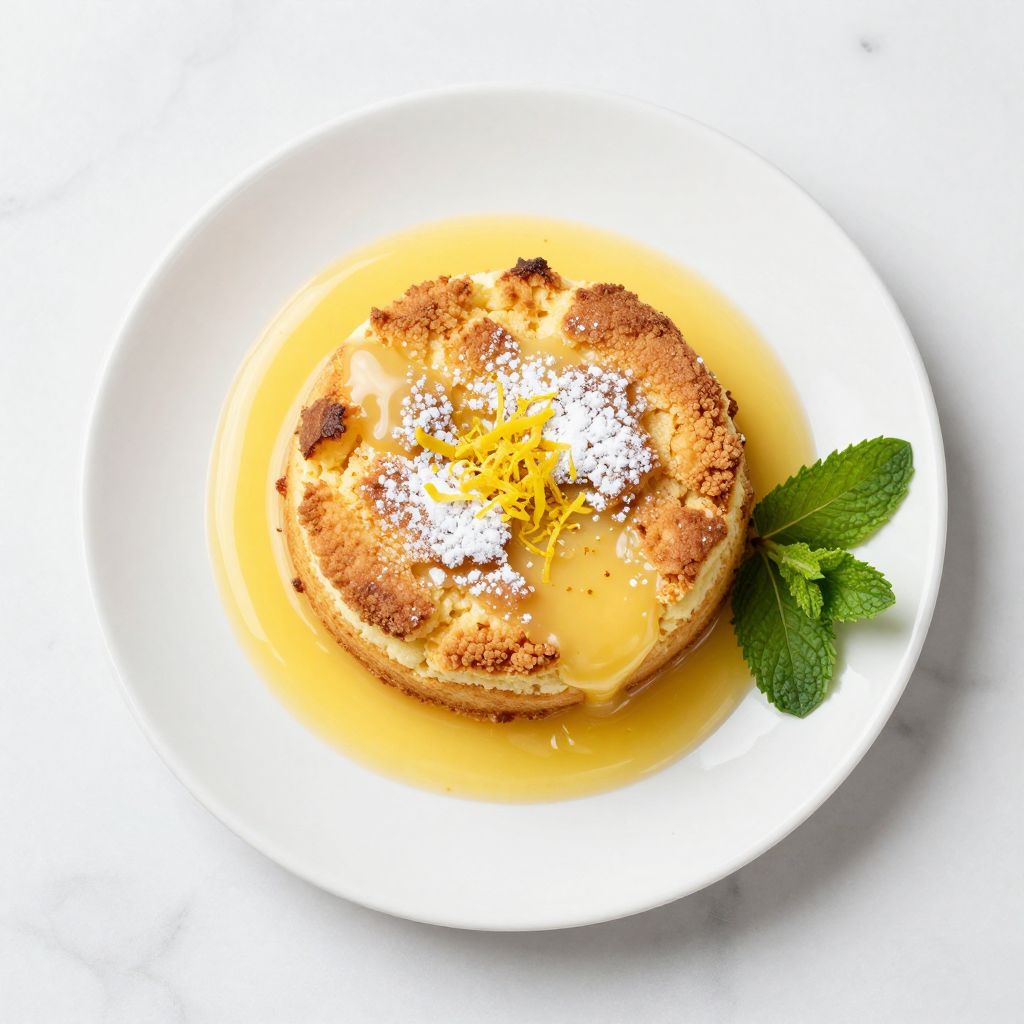
There’s nothing quite like the smell of a warm lemon dump cake sliding out of the oven, that tangy citrus aroma filling your kitchen and making everyone wonder what magic you’ve just created. This lemon dump cake is deceptively simple: you literally dump ingredients into a pan and let the oven do the work, yet somehow you end up with a moist, fluffy cake on top and a silky lemon sauce pooling underneath.
What makes this recipe truly special is how it transforms basic pantry staples into something that tastes like you spent hours in the kitchen. The cake bakes right into its own sauce, creating two textures in one pan with almost zero effort on your part.
Why You’ll Love This Recipe
This dump cake delivers the kind of payoff that makes you look like a dessert genius without the fuss. It’s quick, requires minimal cleanup, and the results are consistently impressive.
- One-pan dessert that bakes its own sauce underneath
- Ready in under an hour from kitchen to table
- Bright lemon flavor that’s tart but not overwhelming
- Works for weeknight dinners or casual entertaining
- Tastes even better the next day as the sauce soaks in
My Experience Making This Recipe
I first made this cake on a random Tuesday when I had company coming over and no game plan. I pulled together the ingredients I had on hand, mixed the dry cake mixture, poured the hot liquid over it, and honestly wasn’t sure what would happen when I opened the oven door.
What I found was pure cake magic: a tender, spongy cake floating on top of a glossy lemon custard that tasted restaurant-quality. My guests actually asked for the recipe, which never happens with dump cakes.
Since then, I’ve made it dozens of times, tweaking nothing because it simply works. The beauty is that you can’t really mess this up, which means you’ll actually make it.
Recipe Overview
- Recipe Name: Lemon Dump Cake
- Servings: 8 to 10
- Prep Time: 10 minutes
- Cook Time: 40 minutes
- Total Time: 50 minutes
- Course: Dessert
- Cuisine: American
- Calories per Serving: 280
Equipment You Will Need
- 9×13 inch baking pan
- Medium mixing bowl
- Small mixing bowl
- Measuring cups and spoons
- Whisk or fork
- Microwave-safe bowl or stovetop pot
- Oven
Ingredients for Lemon Dump Cake
For the Cake
- 1.5 cups all-purpose flour
- 1 cup granulated sugar
- 2 teaspoons baking powder
- 0.5 teaspoon salt
- 2 tablespoons unsalted butter, melted
- 0.75 cup whole milk
- 3 tablespoons fresh lemon juice
- 1 tablespoon lemon zest
- 1 teaspoon vanilla extract
For the Sauce
- 1 cup granulated sugar
- 6 tablespoons fresh lemon juice
- 1.5 cups boiling water
- 2 tablespoons unsalted butter
Ingredient Notes and Substitutions
- All-purpose flour provides structure and helps the cake rise evenly. You can swap it for cake flour if you prefer a more delicate crumb, though you may need slightly less since cake flour is finer.
- Fresh lemon juice is critical for authentic tang and bright flavor. Bottled juice works in a pinch but tastes noticeably duller and less fresh.
- Lemon zest adds concentrated citrus flavor that juice alone can’t deliver. Omit it only if you must, as the flavor impact is substantial.
- Whole milk creates a tender crumb and contributes to the silky sauce. Buttermilk adds extra tang and works well if you want a more complex flavor.
- Boiling water is essential for dissolving the sugar and creating the custard layer underneath. Hot water from the tap won’t reach the right temperature for proper sauce formation.
How to Make Lemon Dump Cake
Step 1: Preheat Your Oven and Prepare the Pan
Set your oven to 350 degrees Fahrenheit and let it heat fully. This ensures even baking and prevents the bottom of your cake from cooking too quickly before the top sets.
Lightly butter or spray the 9×13 inch baking pan and set it aside. A greased pan keeps the edges from sticking and makes serving much easier.
Step 2: Mix the Dry Cake Ingredients
In a medium bowl, whisk together the flour, sugar, baking powder, and salt. Whisking breaks up any lumps in the dry ingredients and ensures the baking powder distributes evenly so the cake rises uniformly.
Step 3: Combine the Wet Ingredients
In a small bowl, mix the melted butter, milk, lemon juice, lemon zest, and vanilla extract. Stir until the mixture is smooth and the zest is evenly distributed throughout the liquid.
Step 4: Create the Cake Batter
Pour the wet ingredients into the dry ingredients and stir with a fork or whisk until just combined. Do not overmix; a few lumps are fine and actually keep the cake tender.
Overmixing develops gluten, which makes the cake tough and dense rather than light and fluffy. You want to mix just until the dry ingredients are moistened.
Step 5: Spread the Batter in the Pan
Pour the batter into your prepared baking pan and spread it evenly with a spatula or the back of a spoon. Make sure the batter reaches all corners so the cake bakes evenly.
Step 6: Prepare the Sauce Mixture
In a small bowl, whisk together the sugar and lemon juice for the sauce. Let it sit for about 30 seconds so the sugar begins to dissolve in the juice.
Step 7: Pour the Hot Water Over the Batter
Heat water until it boils, then carefully pour the 1.5 cups of boiling water into a bowl with the butter. The butter will melt into the hot water, creating an even temperature throughout the liquid.
Slowly pour this hot butter-water mixture over the sugar and lemon juice mixture, stirring as you go. This creates the sauce that will bake underneath the cake and create that magical custard layer.
Step 8: Pour the Sauce Over the Cake Batter
Very carefully pour the hot lemon sauce over the cake batter in the pan. Do not stir; the heat and density of the sauce will cause it to sink beneath the batter as it bakes, creating the two-layer effect.
If you stir, you’ll just end up with mixed layers instead of cake on top and sauce below. Patience here pays off with beautiful texture contrast.
Step 9: Bake the Cake
Place the pan in the preheated oven and bake for 40 to 45 minutes, until the top is golden brown and a toothpick inserted into the cake layer comes out clean. The cake layer will puff up and the sauce will bubble slightly around the edges.
The timing depends on your oven, so start checking around the 35-minute mark. You’re looking for golden color on top and a set cake that still jiggles slightly when you gently shake the pan.
Step 10: Cool Before Serving
Remove the cake from the oven and let it rest for at least 10 to 15 minutes before serving. This allows the sauce to set slightly so it doesn’t run all over the plate.
Serve it warm with a spoon so you get both cake and sauce in every bite. The warmth is part of what makes this dessert so comforting.
Pro Tip: Do not stir after pouring the sauce over the batter; the heat and density of the liquid will naturally sink it below the cake as it bakes, creating the signature two-layer texture.
Tips for the Best Lemon Dump Cake
- Use freshly squeezed lemon juice whenever possible because bottled juice tastes flat and one-dimensional compared to fresh fruit. The difference is noticeable even to people who don’t usually care about baking details.
- Zest your lemons before juicing them because once you cut the fruit, it’s harder to zest cleanly. A microplane zester works better than a box grater and gives you finer, more evenly distributed zest.
- Make sure your water is actually boiling when you pour it over the butter and sugar. Water that’s merely hot won’t create the right texture for the sauce layer underneath the cake.
- Don’t skip the resting time after baking. Those 10 to 15 minutes let the sauce firm up enough that it won’t immediately run off the plate when you serve it.
- Serve the cake warm or at room temperature, never cold. Chilling it makes the sauce thick and gelatinous rather than silky, and the lemon flavor becomes muted.
- Dust the top with a tiny pinch of powdered sugar just before serving if you want a little extra visual appeal. It’s optional but nice for presentation.
Common Mistakes to Avoid
- Stirring the batter and sauce together ruins the entire effect of the cake. You lose the contrast between the fluffy cake and the silky sauce underneath.
- Using room temperature water instead of boiling water means the sauce won’t cook properly and will end up grainy or separated rather than smooth and custard-like.
- Overbaking the cake makes it dry and spongy in the wrong way. Check it at 35 minutes so you catch it while the cake layer is still tender.
- Using bottled lemon juice instead of fresh creates a flat, dull flavor that disappoints even if you follow every other step perfectly. Fresh juice makes a noticeable difference.
- Skipping the lemon zest means you’re missing out on concentrated citrus flavor that the juice alone can’t provide. It’s a small step that makes a big impact.
Serving Suggestions
This lemon dump cake is wonderful on its own, but a little something extra takes it from good to memorable. Serve it while it’s still warm for the best flavor and texture.
- Top with a small dollop of whipped cream or a scoop of vanilla ice cream to add richness and creaminess
- Pair with fresh berries like raspberries or blueberries for bright color and tartness that complements the lemon
- Dust with fresh mint leaves for a subtle herbal note and visual elegance
- Serve alongside a cup of hot tea or strong coffee that echoes the lemon flavor
- Add a thin shortbread cookie on the side for a textural contrast to the soft cake
Variations to Try
- Lime dump cake swaps the lemon juice and zest for fresh lime in the same quantities. The result is slightly more floral and tropical while maintaining the same soft texture.
- Blueberry lemon adds one cup of fresh blueberries folded into the batter just before pouring it into the pan. The berries stay whole and create little flavor pockets throughout the cake.
- Coconut lemon sprinkles half a cup of shredded coconut into the dry ingredients and adds coconut milk to the wet mixture. This creates a subtle tropical undertone that pairs beautifully with the lemon.
- Poppy seed lemon adds two tablespoons of poppy seeds to the dry ingredients for a subtle nuttiness and interesting texture. The poppy seeds add crunch and visual interest without overpowering the lemon flavor.
- Almond lemon substitutes almond extract for vanilla and drizzles sliced almonds over the top before baking. The almond flavor complements lemon and creates a fancy appearance.
Dietary Adaptations
- Gluten-free: Swap the all-purpose flour for a one-to-one gluten-free flour blend and the cake will bake perfectly. The texture may be very slightly less delicate, but most people won’t notice the difference.
- Dairy-free: Replace the butter with coconut oil and the milk with unsweetened oat milk or almond milk. The flavor stays bright and the cake texture remains tender, though the sauce loses a tiny bit of richness.
- Vegan: Use coconut oil instead of butter and plant-based milk instead of dairy milk, and swap the regular sugar for vegan cane sugar if needed. This version works beautifully and tastes almost identical to the original.
- Low-carb or keto: This recipe doesn’t adapt well to low-carb diets because it relies on sugar for structure and the sauce. You could try a keto cake recipe instead, as dump cakes specifically depend on sugar.
Storage and Reheating
Refrigerator
Store leftover cake covered tightly with plastic wrap or in an airtight container. It keeps for up to three days in the fridge.
- The sauce will firm up when cold, becoming more like a gel than a custard
- The cake itself stays moist and actually tastes even better as the sauce soaks in
Freezer
This cake freezes well for up to one month if stored properly. Let it cool completely first, then wrap it tightly in plastic wrap and place it in a freezer-safe container.
- Thaw it in the refrigerator overnight before reheating for best results
- Freezing slightly changes the sauce texture but doesn’t affect flavor noticeably
Reheating
Reheat individual portions in the microwave for 30 to 45 seconds, or warm the whole pan in a 300-degree oven for 10 to 15 minutes. Microwave is faster, but the oven heats more gently and evenly.
- Microwaving individual servings gives you better control over temperature
- Oven reheating keeps the cake from getting rubbery if you’re serving multiple people
- Serve it warm for the best flavor and sauce consistency
Nutrition Information
| Nutrient | Amount |
|---|---|
| Calories | 280 |
| Total Fat | 6g |
| Saturated Fat | 4g |
| Carbohydrates | 54g |
| Fiber | 0g |
| Sugar | 42g |
| Protein | 2g |
| Sodium | 190mg |
| Cholesterol | 18mg |
This nutritional information is an estimate based on standard ingredients. Variations in brands and preparation methods may affect the exact values.
Frequently Asked Questions
Can I use bottled lemon juice instead of fresh?
You technically can, but the flavor suffers noticeably. Bottled juice tastes flat and one-dimensional compared to the bright, punchy flavor of fresh lemon juice squeezed from real fruit.
What if I don’t have lemon zest?
The cake will still be good, but you lose some of the concentrated lemon intensity. If you have another lemon, zest it quickly; if not, just proceed without it and maybe reduce the sugar slightly since the tartness will be less pronounced.
Can I make this cake ahead of time?
Yes, you can bake it up to two days ahead and store it covered in the refrigerator. Reheat it gently in a low oven before serving and the flavor actually deepens as the sauce soaks into the cake.
Why is my sauce too thick or gelatinous?
This usually means you didn’t use boiling water or you refrigerated the cake before serving. The sauce needs heat to stay silky; cold temperatures make it gel up, which is fine for some people but less luxurious than the original texture.
Can I double this recipe for a larger crowd?
Yes, simply double all the ingredients and use a 9×13 pan like you normally would, or use two pans if you want them to bake more evenly. Baking time may increase by 5 to 10 minutes, so watch for the top to turn golden.
Is this cake good for people who don’t like overly sweet desserts?
Absolutely, the tartness of the lemon balances out the sugar nicely. If you’re sensitive to sweet flavors, you could reduce the sugar in the sauce by a quarter cup without dramatically affecting the texture.
Final Thoughts
The lemon dump cake proves that you don’t need a complicated recipe or professional baking skills to create something truly delicious. This dessert has earned a permanent spot in my rotation because it works every single time, tastes restaurant-quality, and requires almost no effort.
Give this cake a try the next time you need an impressive dessert fast. Your kitchen will smell amazing, you’ll have minimal cleanup, and everyone around the table will wonder how you made something this good look so easy.
Lemon Dump Cake
Ingredients
Equipment
Method
- Preheat your oven to 350 degrees Fahrenheit and lightly butter or spray a 9x13 inch baking pan.
- In a medium bowl, whisk together the flour, sugar, baking powder, and salt.
- In a small bowl, mix the melted butter, milk, lemon juice, lemon zest, and vanilla extract until smooth.
- Pour the wet ingredients into the dry ingredients and stir with a fork or whisk until just combined. Do not overmix.
- Pour the batter into your prepared baking pan and spread it evenly with a spatula.
- In a small bowl, whisk together the sugar and lemon juice for the sauce. Let it sit for about 30 seconds.
- Heat water until it boils, then carefully pour 1.5 cups of boiling water into a bowl with the butter. Stir until butter melts.
- Slowly pour the hot butter-water mixture over the sugar and lemon juice mixture, stirring as you go.
- Very carefully pour the hot lemon sauce over the cake batter in the pan. Do not stir.
- Bake for 40 to 45 minutes, until the top is golden brown and a toothpick inserted into the cake layer comes out clean.
- Remove from oven and let rest for 10 to 15 minutes before serving warm.