
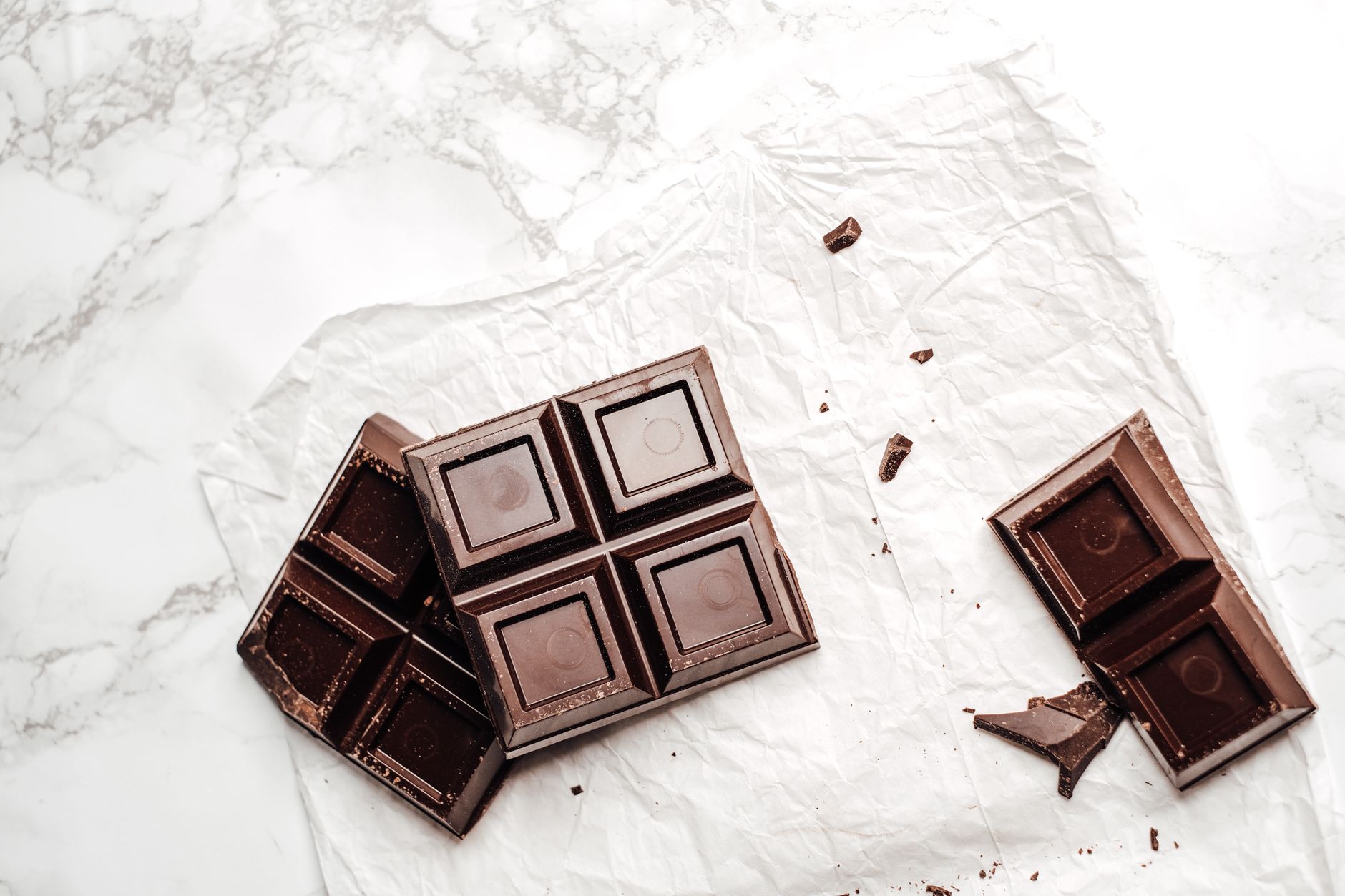
Dark chocolate, often celebrated for its rich flavor and potential health benefits, is also a subject of curiosity when it comes to its nutritional content. One common question is whether dark chocolate is a source of iron. This article explores dark chocolate’s iron content, offers insights on proper portions, and delves into additional nutritional information that complements this delectable treat.
Rich with history and flavor, dark chocolate is made from cocoa solids, cocoa butter, and sugar, and is known for its bittersweet taste. Understanding its nutritional profile can help you make informed choices for your diet, particularly if you are looking to increase your iron intake.
Does Dark Chocolate Have Iron in It?
Yes, dark chocolate does contain iron, making it a valuable addition to diets needing this essential mineral. Generally, higher cocoa content in dark chocolate correlates with higher iron concentrations, which contributes to around 11% of the daily recommended intake in a typical serving.
Understanding Iron: Importance and Types
Iron is a crucial mineral for the body, primarily involved in the formation of hemoglobin, which carries oxygen in your blood. There are two types of dietary iron: heme and non-heme. Heme iron, found in animal products, is more easily absorbed by the body, while non-heme iron, present in plant-based foods like dark chocolate, is less efficiently absorbed.
Including various sources of iron in your diet can help enhance absorption rates. For those following vegetarian or vegan diets, dark chocolate presents a delicious way to increase non-heme iron intake.
Nutritional Profile of Dark Chocolate
The nutritional values can differ based on the brand and cocoa content of dark chocolate. Here’s a general breakdown of the nutrition typically found in a 100-gram serving of dark chocolate containing 70-85% cocoa:
| Nutrient | Amount per 100g |
|---|---|
| Calories | 598 |
| Protein | 7.87g |
| Total Fat | 42.6g |
| Saturated Fat | 24.5g |
| Carbohydrates | 45.9g |
| Sugar | 24.5g |
| Fiber | 11g |
| Iron | 11.9mg |
This profile indicates that dark chocolate is not only rich in calories but also contains significant amounts of iron, making it a twofold treat when moderation is maintained.
Choosing the Right Dark Chocolate
When selecting dark chocolate, aim for products with a cocoa content of 70% or higher. The higher the cocoa percentage, the more beneficial nutrients, including iron, you’ll find. Additionally, look for chocolate with a minimal amount of added sugars and unnecessary fillers to ensure you are maximizing nutritional benefits.
Label Considerations
Pay attention to the serving size indicated on the packaging, and always check the ingredient list. Go for chocolate that lists cocoa mass or cocoa liquor as the primary ingredient, followed by cocoa butter and sugar, avoiding products with additives like artificial flavors or emulsifiers.
How Much Dark Chocolate Should You Consume for Iron?
To reap the iron benefits from dark chocolate, a modest consumption is key. Generally, a portion size of 30-40 grams (about one ounce) can provide sufficient iron without excessive calorie intake. In this context, one serving might deliver about 3.6 to 4.76 mg of iron, contributing to your daily requirements.
Daily Iron Recommendations
The recommended dietary allowance for iron varies by age, gender, and life stage:
- Adult men (19-50 years): 8 mg
- Adult women (19-50 years): 18 mg
- Postmenopausal women: 8 mg
- Pregnant women: 27 mg
Using dark chocolate as one of several iron sources can help maintain adequate intake levels alongside foods rich in vitamin C, which enhances iron absorption.
Complementing Dark Chocolate with Other Foods
To maximize iron absorption when consuming dark chocolate, pairing it with foods rich in vitamin C can be beneficial. Here are some effective pairings:
- Dark chocolate and strawberries
- Dark chocolate and orange slices
- Dark chocolate and kiwi
This combination not only satisfies your sweet cravings but also aids in iron bioavailability, making your dessert both delightful and nutritious.
Potential Health Benefits Beyond Iron
Dark chocolate is often touted for its numerous health benefits, primarily attributed to its rich antioxidant content, specifically flavonoids. Some researched benefits include:
- Improved heart health
- Elevated mood and cognitive function
- Reduced inflammation
- Enhanced blood flow
While indulging in dark chocolate can offer health benefits, moderation remains essential. Overconsumption can lead to excessive calorie intake and negate some health advantages.
Common Misconceptions about Dark Chocolate
There are many myths surrounding dark chocolate that can lead to confusion about its nutritional properties:
- Myth: All chocolate is unhealthy.
- Fact: When consumed in moderation, particularly darker varieties, chocolate can offer nutritional benefits.
- Myth: Dark chocolate is low in calories.
- Fact: Dark chocolate is calorie-dense; portion control is crucial.
Common Mistakes When Consuming Dark Chocolate
There are a few common mistakes to avoid when including dark chocolate in your diet:
- Overconsumption: Stick to a portion of about one ounce to prevent excessive calorie intake.
- Choosing low-quality chocolate: Opt for products with at least 70% cocoa to maximize benefits.
- Neglecting balance: Ensure a varied diet that includes other iron sources for optimal nutrition.
Storage Tips for Dark Chocolate
Proper storage can help maintain the freshness and flavor of dark chocolate:
- Store in a cool, dry place away from direct sunlight.
- Avoid storing chocolate in the refrigerator, which can alter its consistency unless the climate is particularly warm.
- Use airtight containers to prevent exposure to moisture and odors from other foods.
Incorporating Dark Chocolate into Daily Meals
Adding dark chocolate to your meals can be both nutritious and enjoyable. Here are some creative ideas:
- Breakfast: Sprinkle dark chocolate shavings over oatmeal or yogurt.
- Snacks: Pair dark chocolate with nuts for a satisfying combination.
- Desserts: Use dark chocolate in baking recipes, such as brownies or cookies.
- Savory dishes: Incorporate dark chocolate in chili or mole sauces for depth of flavor.
Conclusion
Dark chocolate is indeed a delightful and beneficial source of iron when enjoyed in moderation. With its rich flavor and array of health benefits, it can be a meaningful addition to your diet. Remember to choose high-quality varieties, watch your portions, and enjoy it as part of a balanced diet to ensure you gain the most from its unique nutritional profile.
Explore related recipes and tips, such as what foods are high in iron and a delicious chia pudding recipe with coconut milk to boost your diet with more iron-rich options.