
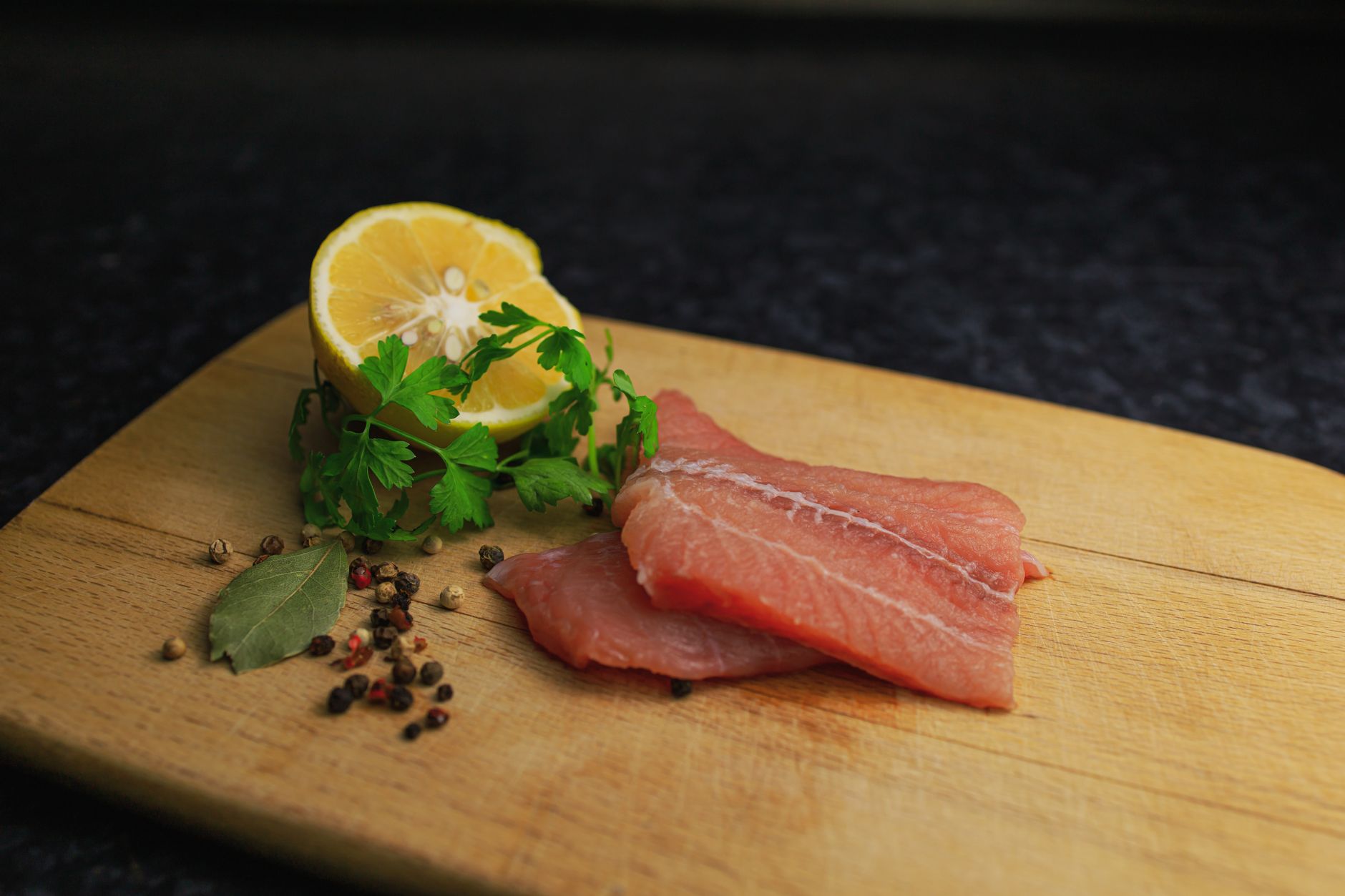
Bonito fish, a member of the mackerel family, is a popular ingredient in various cuisines, particularly in Japan, where it is known for its distinctive flavor and versatility. Its popularity stems from its rich, meaty texture and unique umami taste, making it a beloved choice for seafood lovers.
This article delves into what bonito fish is, its flavor profile, cooking methods, and serving suggestions. By the end, you’ll have all the information you need to incorporate this delicious fish into your meals.
What Is Bonito Fish?
Bonito fish generally refers to two species: the Atlantic bonito (Sarda sarda) and the Pacific bonito (Sarda chiliensis). Both types are known for their robust flavor, which varies slightly depending on their habitat and diet. Bonito is commonly found in temperate and tropical waters, and they are often caught for commercial fishing.
A unique characteristic of bonito fish is its firm, oily flesh, which stands up well to cooking techniques such as grilling, broiling, and smoking. This fish is particularly cherished in Japanese cuisine, where it is used to make dashi, a traditional soup stock.
Flavor and Texture of Bonito Fish
Bonito fish has a rich, meaty flavor with a hint of sweetness. The flesh is firm yet flaky, providing a satisfying mouthfeel whether it’s served canned, grilled, or smoked. The fat content in bonito provides it with a richness that’s often compared to tuna, though it is less oily than some varieties.
The flavor can also be described as slightly briny with a savory depth. This combination of taste and texture makes bonito an excellent candidate for various culinary applications, from simple preparations to more complex dishes.
How to Choose Bonito Fish
Selecting the best bonito fish involves checking for a few key attributes to ensure freshness and quality:
- Appearance: Look for bright, clear eyes and shiny skin with a silvery sheen.
- Texture: Fresh bonito should feel firm to the touch. Avoid any fish that feels mushy.
- Smell: Fresh bonito should have a clean, ocean smell rather than a strong fishy odor.
How to Prepare Bonito Fish
Preparing bonito fish is relatively straightforward. Here are the basic steps:
- Cleaning: If you have a whole bonito, begin by scaling and gutting it. Rinse under cold water to remove any residual blood or scales.
- Filleting: Use a sharp knife to fillet the fish, cutting along the backbone. Ensure that your cuts are clean to maintain the quality of the flesh.
- Removing Bones: If you prefer boneless filets, use tweezers to remove any pin bones that may remain.
Cooking Methods for Bonito Fish
There are several popular methods for cooking bonito fish that highlight its flavor and texture:
Grilling Bonito Fish
Grilling is one of the best ways to prepare bonito, as it enhances the smoky flavor while keeping the meat tender. To grill bonito:
- Preheat the grill to medium-high heat.
- Brush the bonito filets with olive oil and season with salt and pepper.
- Place the filets on the grill, skin side down, and cook for about 4–5 minutes. Flip and grill for an additional 3–4 minutes or until cooked through.
Making Bonito Broth or Dashi
Bonito is a primary ingredient in dashi, the foundational broth in many Japanese dishes. To make a basic bonito dashi:
- Combine 4 cups of water with 20 grams of dried bonito flakes in a saucepan.
- Bring the water to a boil over medium heat and then reduce to a simmer.
- Allow it to simmer for about 10 minutes, turning off the heat once done.
- Strain the broth to remove the flakes, and your dashi is ready to use!
Smoking Bonito Fish
Smoking adds a distinct flavor layer to bonito. Follow these steps to smoke bonito:
- Brine the filets in a mixture of water, salt, and sugar for several hours.
- Rinse and pat dry the filets before placing them in a smoker.
- Smoke at 200°F (93°C) until fully cooked, about 1–1.5 hours.
Seared Bonito
Seared bonito retains its juicy interior while forming a crisp exterior:
- Heat a skillet over medium-high heat until hot.
- Add a splash of oil and sear the bonito on each side for about 2-3 minutes.
- Remove and let rest before slicing for serving.
Serving Suggestions for Bonito Fish
Bonito can be enjoyed in many ways, whether as a main dish or a complement to other flavors. Here are some serving suggestions:
- As Sushi: Thinly slice seared or raw bonito to serve as nigiri or sashimi.
- In Salads: Flake cooked bonito into a salad with fresh greens, avocado, and a citrus vinaigrette.
- With Pasta: Pair lightly grilled bonito with pasta, olive oil, garlic, and fresh herbs for a hearty meal.
- In Bowls: Add bonito to rice or grain bowls, along with vegetables and sauces.
Substitutions for Bonito Fish
If you find yourself in need of a substitute for bonito, consider the following alternatives:
- Skipjack Tuna: A similar fish with a comparable flavor profile, making it a good alternative.
- Mackerel: Offers a rich and oily texture similar to bonito, perfect for grilling or broiling.
- Salmon: Though more fatty, its robust flavor works well in many preparations.
Common Mistakes to Avoid
While preparing bonito fish, there are several common pitfalls to avoid:
- Overcooking: Bonito can become dry if overcooked. Keep an eye on cooking times and adjust to your preferences.
- Ignoring Freshness: Always prioritize fresh fish. Frozen bonito can also work, but you’ll want to ensure it has been handled properly.
- Imprecise Seasoning: Bonito has a rich flavor, so avoid overwhelming it with too many spices that can mask its natural taste.
Storage and Reheating
Proper storage of bonito fish is essential to maintain freshness:
- Fresh Bonito: Store in the refrigerator wrapped in parchment paper for up to two days.
- Cooked Bonito: Keep in an airtight container in the refrigerator for up to three days.
- Freezing: It can be frozen for up to three months. Wrap portions tightly in plastic wrap and place them in a freezer bag.
To reheat cooked bonito, use the oven or a skillet over low heat to prevent drying out. Microwaving is possible, but it may yield less desirable texture results.
Recipe Ideas Using Bonito Fish
Bonito can be used in various recipes. Here are a couple of ideas to get you started:
Bonito Poke Bowl
- Ingredients:
- 1 cup sushi rice
- 2 cups water
- 200g fresh bonito, cut into cubes
- 1 avocado, sliced
- 1 small cucumber, sliced
- Soy sauce
- Sesame seeds
- Chopped green onions
- Instructions:
- Cook sushi rice according to package instructions.
- In a bowl, combine cubed bonito with soy sauce, sesame seeds, and green onions.
- Assemble your poke bowl with rice, bonito, avocado, and cucumber. Drizzle more soy sauce if desired.
- Ingredients:
- 2 bonito fillets
- 2 slices of your favorite bread
- Butter
- Fresh arugula
- Mayonnaise
- Lemon juice
- Instructions:
- Season bonito fillets with salt and pepper, then grill.
- Butter the bread slices and toast them on the grill until golden brown.
- Spread mayonnaise on the toasted bread, add arugula, then top with grilled bonito. Squeeze lemon juice before closing the sandwich.
Grilled Bonito Sandwich
Conclusion
Bonito fish is a versatile ingredient that adds rich flavor and texture to a variety of dishes. From grilling and searing to making traditional broth, its culinary applications are vast and rewarding. Whether you are experimenting in the kitchen or enjoying simple sushi, bonito fish is a delightful addition to your dining experience.
To explore more delicious recipes and cooking tips, check out our lox recipe and learn how to make seared ahi tuna for more seafood inspiration.