
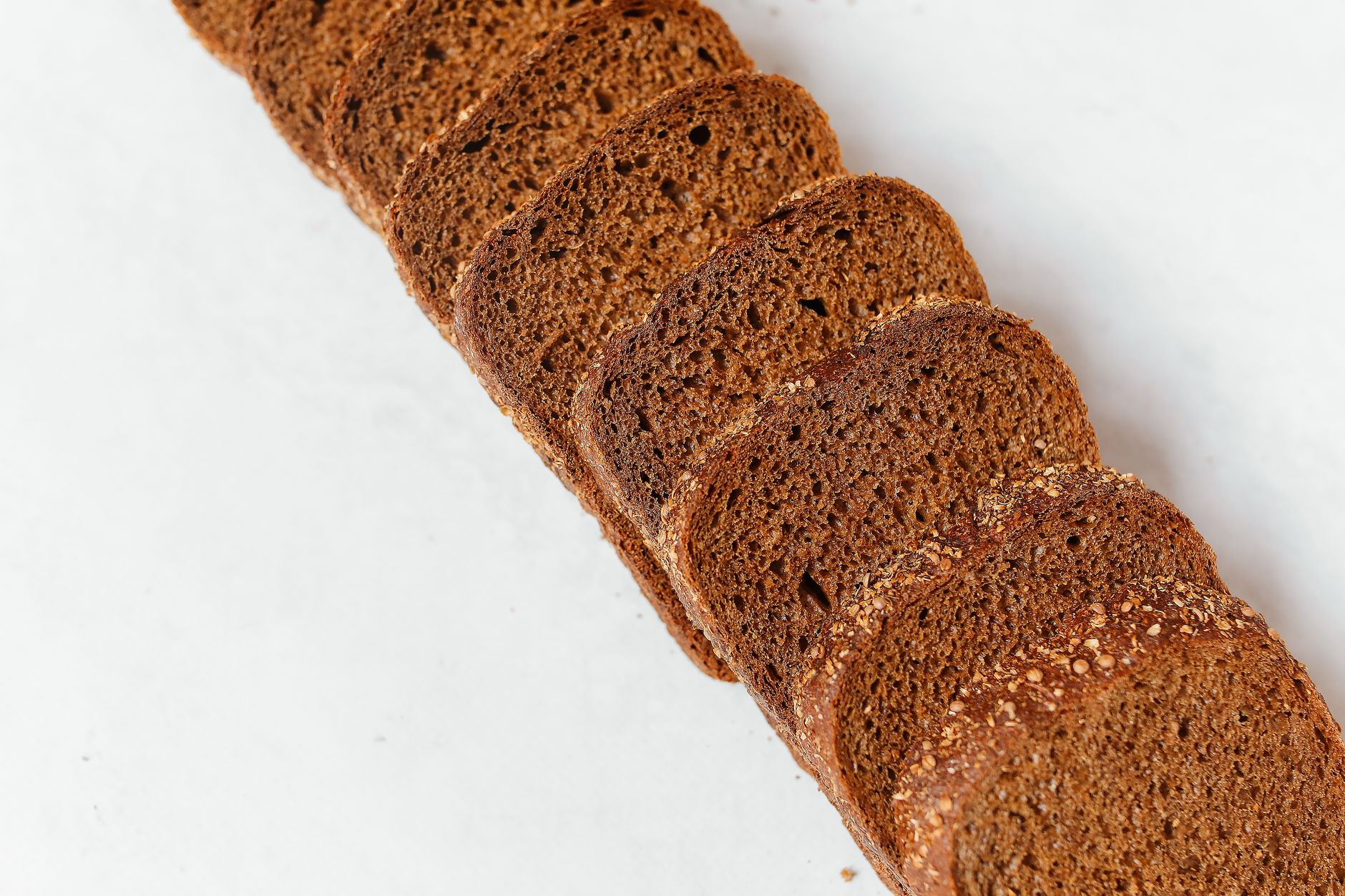
Rye bread has steadily gained popularity as a nutritious alternative to white and even whole wheat bread. Many people are curious about its health benefits and whether it can be a valuable part of their diets. This article explores the nutritional content of rye bread, its potential health benefits, and how to incorporate it into your meals.
From its unique flavor to its hearty texture, rye bread offers several advantages over other types of bread. Understanding its nutritional profile and functionalities can help individuals make informed food choices.
Is Rye Bread Healthy for You?
Rye bread is generally considered a healthier option than many white breads due to its nutritional content, which includes higher fiber levels and a unique array of beneficial plant compounds. It can support overall health, especially when incorporated into a balanced diet.
The Nutritional Profile of Rye Bread
To understand if rye bread is a healthy choice, it’s essential to look at its nutritional content. The nutrients in rye bread can vary depending on the type and preparation method, but here are the typical components found in 100 grams of rye bread:
| Nutrient | Amount |
|---|---|
| Calories | 259 |
| Carbohydrates | 49 g |
| Fiber | 8 g |
| Protein | 9 g |
| Fat | 3 g |
| Vitamins and Minerals | Iron, magnesium, B vitamins |
Health Benefits of Rye Bread
Rye bread offers multiple health benefits due to its unique properties. Below are some reasons why incorporating rye bread into your diet can be beneficial:
1. High in Dietary Fiber
Rye bread is rich in dietary fiber, particularly soluble fiber, which can help maintain digestive health. Increased fiber intake is associated with improved bowel regularity and lower cholesterol levels. It also promotes a feeling of fullness, which can aid in weight management.
2. Lower Glycemic Index
Rye bread has a lower glycemic index compared to white bread, meaning it causes a slower rise in blood sugar levels. This characteristic is beneficial for people looking to manage their blood sugar, such as those with diabetes.
3. Nutrient-Rich
Rye bread contains essential vitamins and minerals, including iron, magnesium, and several B vitamins. These nutrients support various bodily functions, including energy metabolism and red blood cell production.
4. Rich in Antioxidants
Whole rye contains antioxidants, which can help combat oxidative stress in the body. Antioxidants are known to play a role in reducing the risk of chronic diseases, including heart disease and cancer.
5. Supports Heart Health
The high fiber content in rye bread can contribute to better heart health by reducing cholesterol levels. Additionally, the presence of beneficial nutrients, like potassium and magnesium, supports healthy blood pressure.
How to Choose Rye Bread
When selecting rye bread, it’s crucial to look for products made from whole grain rye or whole rye flour. Here are some tips for choosing healthier rye bread:
- Look for “100% whole rye” or “whole grain” on the label, which indicates better nutritional quality.
- Avoid rye breads with added sugar or high-fructose corn syrup.
- Check the ingredient list to ensure that rye is the first ingredient.
- Be mindful of preservatives and artificial ingredients.
Incorporating Rye Bread into Your Diet
Adding rye bread to your meals can be simple and rewarding. Here are several ideas about how to enjoy rye bread throughout the day:
Breakfast
- Top a slice of rye toast with avocado and a poached egg for a nutritious start to your day.
- Spread a thin layer of almond butter with banana slices for a satisfying meal.
Lunch
- Make a hearty sandwich using rye bread filled with lean turkey, lettuce, tomatoes, and mustard.
- Combine rye bread with a side of soup for a comforting lunch option.
Dinner
- Use rye bread as a base for open-faced sandwiches topped with roasted vegetables and hummus.
- Pair rye bread with fish dishes or hearty salads.
Snacks
- Enjoy a slice of rye bread with cheese or nut butter for a quick snack.
- Create crostini with rye slices topped with spreads or antipasti.
Common Mistakes to Avoid
When enjoying rye bread, it’s essential to be aware of common pitfalls that could negate its health benefits:
- Assuming all rye bread is whole grain: Always check the label for whole grain content.
- Overeating: While rye bread is healthier, moderation is still key to maintaining a balanced diet.
- Piling on high-calorie toppings: Pair rye bread with nutritious toppings to maximize health benefits.
Storage and Shelf Life of Rye Bread
Proper storage can keep rye bread fresher for longer. Consider the following guidelines:
- Store rye bread in a cool, dry place, preferably in its original packaging.
- Avoid refrigerating rye bread, as it can dry out and affect texture.
- If not consumed within a few days, consider freezing rye bread. Wrap it tightly in plastic wrap or aluminum foil, then place it in an airtight container or freezer bag.
Rye Bread Variations
Rye bread comes in various forms and styles, each with unique characteristics. Here are a few popular variations:
- Light Rye Bread: Made with lighter flour and has a milder flavor.
- Dark Rye Bread: Made with whole rye flour, offering a denser texture and richer taste.
- Seeded Rye Bread: Contains seeds like caraway or sesame, adding flavor and crunch.
Comparing Rye Bread to Other Breads
Understanding how rye bread stacks up against other bread types can help make an informed choice:
| Type of Bread | Fiber Content (per 100g) | Glycemic Index |
|---|---|---|
| Rye Bread | 8 g | 50-55 |
| Whole Wheat Bread | 7 g | 69-75 |
| White Bread | 2.7 g | 70-85 |
Potential Downsides of Rye Bread
While rye bread is healthy for many, it may not be suitable for everyone. Consider the following:
- Some individuals may have sensitivities or allergies to rye or gluten, as rye contains gluten.
- Excessive consumption may exacerbate digestive issues in some individuals, especially if they’re not used to high fiber.
Rye Bread Recipes to Try
Making rye bread at home can be rewarding. Here are simple elements of a basic rye bread recipe:
Basic Rye Bread Recipe
This basic rye bread recipe uses whole rye flour for a simple baking method.
Ingredients:
- 2 cups whole rye flour
- 1 cup warm water
- 1 tablespoon honey or molasses
- 1 teaspoon salt
- 1 teaspoon active dry yeast
Instructions:
- In a bowl, combine warm water, honey, and yeast. Let it sit for 5-10 minutes until frothy.
- Mix in the rye flour and salt until a sticky dough forms.
- Knead the dough for about 5-10 minutes until it becomes smoother.
- Place the dough in an oiled bowl, cover it, and let it rise for about 1-2 hours.
- Shape the dough into a loaf and place it in a greased loaf pan. Let it rise for another hour.
- Bake in a preheated oven at 375°C (190°F) for about 35-40 minutes, or until the bread sounds hollow when tapped.
Conclusion
Rye bread is a nutritious and flavorful option that offers numerous health benefits. With its high fiber content, lower glycemic index, and rich nutrient profile, it can be a valuable addition to a balanced diet. Be mindful of portion sizes and opt for whole grain varieties to ensure you reap the greatest health advantages.
Explore more healthy baking options or delicious bread recipes such as Einkorn Bread Recipe and Sourdough Naan Recipe to keep your meals varied and exciting!