
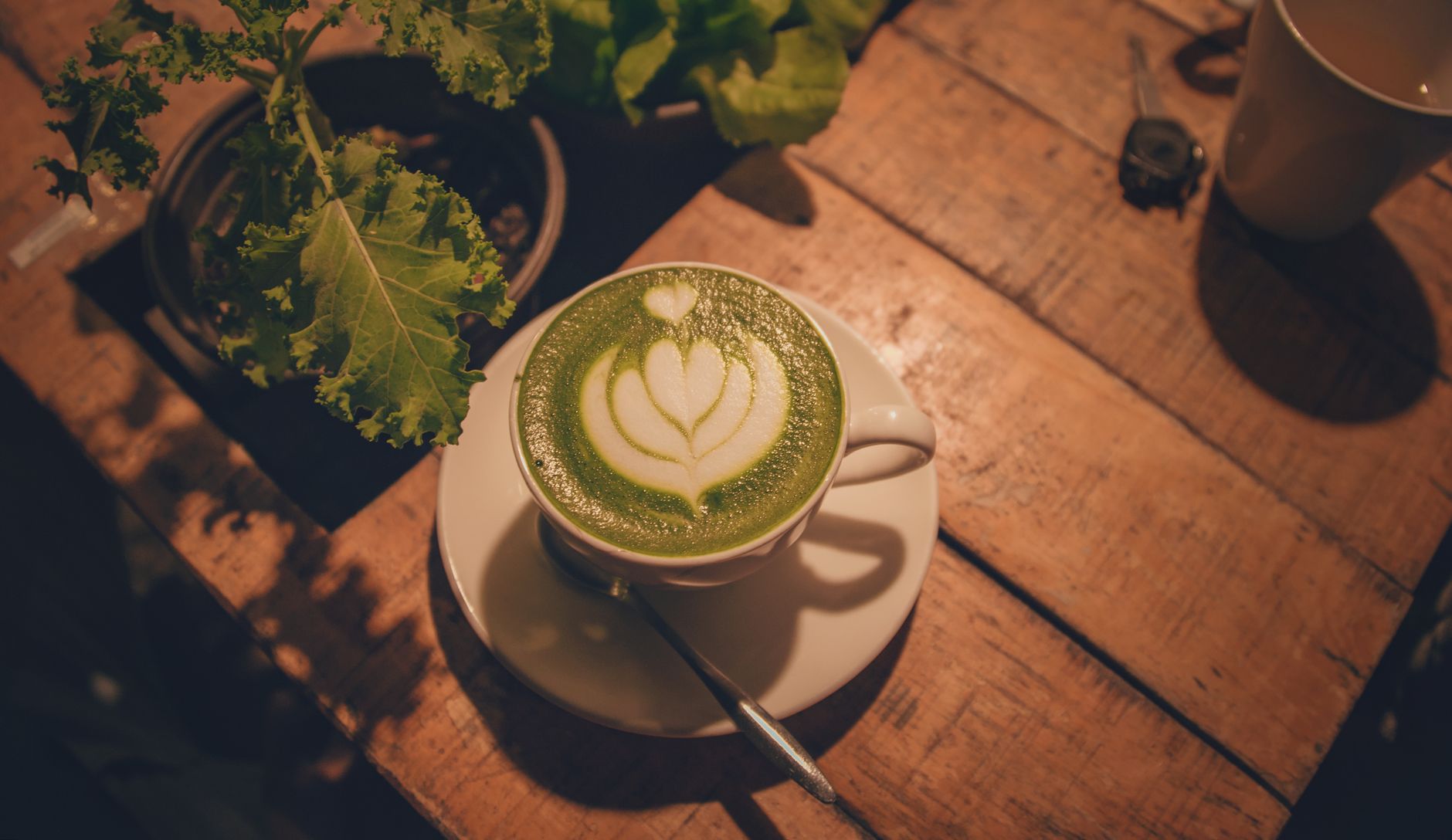
Matcha, a finely ground powder made from specially grown green tea leaves, has gained popularity worldwide for its vibrant color and unique flavor. However, there are increasing questions about its effects on nutrition, particularly concerning iron absorption. This article explores whether matcha blocks iron absorption and provides insights into serving sizes and iron content.
Iron is a crucial mineral that supports numerous bodily functions, including transporting oxygen in the blood. Understanding the relationship between matcha and iron absorption is essential for those who consume it regularly, especially those with specific dietary needs, such as vegetarians or individuals with iron deficiency. Let’s delve into this topic to uncover the facts.
Does Matcha Block Iron Absorption?
Yes, matcha can inhibit iron absorption due to its high content of polyphenols, specifically catechins. These compounds can bind with iron in the digestive tract, making it less available for absorption. However, the degree of inhibition may depend on several factors including the amount of matcha consumed and the type of iron in the diet (heme vs. non-heme).
The Science Behind Iron Absorption
Iron exists in two forms: heme and non-heme. Heme iron, found in animal products such as meat and fish, is more readily absorbed by the body compared to non-heme iron, which is present in plant-based foods. The absorption of non-heme iron can be inhibited by various dietary components, including:
- Phytates (found in whole grains and legumes)
- Calcium (in dairy products)
- Polyphenols (in tea, coffee, and certain fruits)
Matcha, being a rich source of polyphenols, may hinder non-heme iron absorption. For people relying on plant-based sources of iron, this is a relevant consideration.
Understanding Matcha Serving Sizes
Knowing how much matcha is typically consumed can help contextualize its potential impact on iron absorption. The recommended serving size of matcha is usually around 1 to 2 teaspoons, which equates to approximately 2 to 4 grams of powder. A single serving typically contains about:
- Antioxidants: High levels of catechins
- Caffeine: Approximately 30-70 mg
- Calories: About 10-20 calories
Considering these amounts can aid in making informed dietary choices, particularly regarding iron intake.
How Much Iron is Affected?
The impact of matcha on iron absorption can vary based on individual dietary habits, iron status, and the type of meals consumed. For context, a standard serving of non-heme iron (like that from spinach or lentils) contains approximately 1-3 mg of iron. The presence of matcha, even at 1-2 teaspoons, might significantly reduce the absorption of this iron due to its polyphenolic content.
However, the overall impact often depends on the total dietary context. Consuming vitamin C-rich foods, such as citrus fruits or bell peppers, alongside non-heme iron sources can enhance absorption and counteract the inhibitory effects of matcha.
The Role of Timing
When consuming matcha, the timing can also play a role in iron absorption. By spacing out the intake of matcha and iron-rich foods, individuals can potentially lessen the impact on iron absorption. It’s advisable to consume matcha about an hour before or after meals that contain significant amounts of non-heme iron.
Practical Tips for Maximizing Iron Absorption
For those who enjoy matcha but also want to maintain healthy iron levels, here are some practical tips:
- Consume vitamin C-rich foods: Pair your iron sources with foods high in vitamin C. This can improve non-heme iron absorption significantly.
- Timing is key: If you’re having matcha, consider waiting a while before consuming iron-rich foods.
- Alternate beverage choices: If you have a meal high in non-heme iron, consider skipping matcha for that meal.
- Monitor your iron intake: Be aware of how much iron you consume in your overall diet and adjust accordingly if you’re also regularly drinking matcha.
Iron-Rich Foods to Consider
To maintain iron levels while enjoying matcha, include various iron-rich foods in your diet, such as:
- Red meat
- Poultry
- Seafood
- Tofu and legumes
- Dark leafy greens (spinach, kale)
- Nuts and seeds
- Fortified cereals and grains
It’s essential to combine these sources with complementary nutrients to optimize iron absorption.
How Matcha Compares to Other Teas
Matcha is not the only type of tea that can affect iron absorption. Other teas, such as black and green tea, also contain tannins, which can impact the bioavailability of non-heme iron. However, matcha’s concentrated form means it may have a more pronounced effect due to the higher quantity of catechins consumed per serving compared to steeped teas.
Ultimately, moderation is the key. Individuals who consume varied diets and are mindful of their iron intake should do well without significant concern regarding matcha’s effects.
Common Questions About Matcha and Iron Absorption
1. Can I still drink matcha if I have low iron?
Yes, you can still enjoy matcha, but consider consuming it at times separate from iron-rich meals to minimize potential absorption issues. Be mindful of your overall dietary iron intake.
2. What are the signs of iron deficiency?
Common signs include fatigue, weakness, pale skin, and dizziness. If you suspect an iron deficiency, consult a healthcare professional for advice and testing.
3. What types of iron should I focus on?
Focus on heme iron sources if you’re concerned about absorption, as they are more readily absorbed by the body. Non-heme iron from plants can be complemented with vitamin C sources to enhance absorption.
Recipe Ideas to Pair with Matcha
If you’re looking for delicious ways to incorporate matcha while keeping your iron levels balanced, consider these recipe ideas:
- Matcha Smoothie Bowl: Blend matcha with banana, spinach, and almond milk, topped with kiwi and chia seeds.
- Matcha Pancakes: Add matcha powder to your pancake batter and serve with orange slices for a vitamin C boost.
- Matcha Energy Bites: Combine oats, dates, and matcha to create nutritious energy bites that can be paired with iron-rich snacks.
Storing Matcha Powder
Proper storage of matcha is crucial to maintain its flavor and nutritional properties. Here are some practical tips:
- Keep it cool: Store matcha in a dark, cool place, ideally in an airtight container.
- Avoid moisture: Ensure that the container is dry. Moisture can lead to clumping and loss of quality.
- Limited exposure to air: Seal the container tightly after each use to limit exposure to air, which can degrade the powder.
Conclusion
Matcha does have the potential to block iron absorption due to its catechin content, so it’s crucial to consume it thoughtfully, especially for those at risk of iron deficiency. By being mindful of serving sizes, timing with meals, and combining matcha with vitamin C-rich foods, you can enjoy its benefits while managing your iron levels effectively.
For more delicious recipes featuring matcha, check out this matcha tiramisu recipe, or if you’re in the mood for something fruity, try this strawberry matcha recipe. Enjoy your cooking and healthy eating journey!