
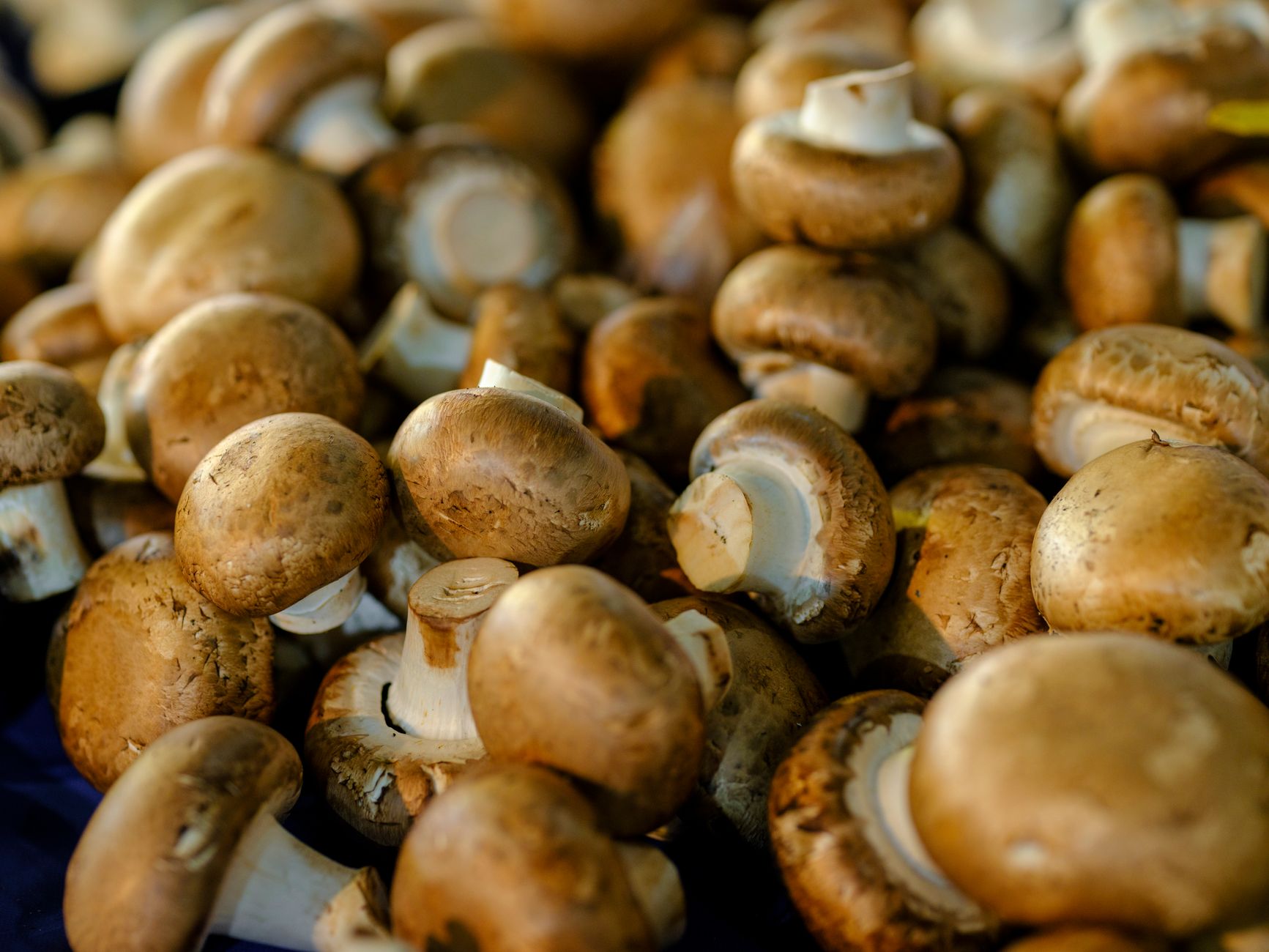
Mushrooms are a fascinating and versatile ingredient, prized in cuisines all around the world. Understanding what mushrooms are made of helps us appreciate their flavor, texture, and culinary applications. From their unique cellular structure to their nutritional benefits, mushrooms are not only delicious but also beneficial to our health.
In this article, we’ll explore the composition of mushrooms, their nutritional profile, and how to incorporate them into various dishes. Whether you’re planning a meal or looking to enhance your culinary skills, this guide will provide valuable insights into the wonderful world of mushrooms.
What Are Mushrooms Made Of?
Mushrooms are comprised primarily of water, carbohydrates, proteins, and a small amount of fat. They belong to the fungi kingdom, which distinguishes them from plants and animals. The cellular structure of mushrooms is unique, featuring cell walls made of chitin, which is also found in the shells of crustaceans.
Most edible mushrooms contain 80-90% water, making them low in calories yet filling. Their complex carbohydrates provide energy, while proteins facilitate muscle repair and overall body functions. Let’s break down the key components that make up mushrooms.
Key Components of Mushrooms
1. Water
As mentioned, water constitutes the major part of mushrooms. This high water content not only contributes to their low-calorie nature but also affects their texture, making them juicy and tender when cooked. The water content can vary between mushroom types, affecting their culinary applications.
2. Carbohydrates
Mushrooms contain complex carbohydrates, mainly in the form of polysaccharides like beta-glucans and chitin. These carbohydrates provide energy and have been linked to various health benefits, including improved cholesterol levels and enhanced immune function.
3. Proteins
While mushrooms are not a complete source of protein like animal products, they do contain a decent amount of protein for a plant-based food. Their protein content ranges from 2-5 grams per 100 grams, depending on the type of mushroom. Some mushrooms, such as shiitake and oyster mushrooms, offer higher protein levels compared to others.
4. Fats
Generally, mushrooms are very low in fat, usually making up less than 1% of their total composition. The small amount of fat present in mushrooms includes polyunsaturated fatty acids, which are heart-healthy and provide essential nutrients.
5. Fiber
Mushrooms are a source of dietary fiber, which aids in digestion and promotes a healthy gut. Chitin, a component of their cell walls, acts as a form of insoluble fiber, while beta-glucans serve as soluble fiber, making mushrooms beneficial for gut health.
6. Vitamins and Minerals
Mushrooms are rich in various vitamins and minerals, including:
- Vitamin D: Shiitake and maitake mushrooms are known to provide significant amounts of vitamin D, especially when exposed to sunlight.
- B Vitamins: Mushrooms are a good source of B vitamins such as riboflavin, niacin, and pantothenic acid, which support energy metabolism and nervous system health.
- Selenium: This mineral acts as an antioxidant and is abundant in many mushrooms, contributing to their health benefits.
- Potassium: Important for heart health, potassium is found in substantial amounts in mushrooms and helps regulate fluid balance in the body.
7. Antioxidants
Alongside vitamins and minerals, mushrooms are a source of antioxidants that help combat oxidative stress in the body. Compounds such as ergothioneine and glutathione contribute to their antioxidant properties and may play a role in reducing inflammation and chronic diseases.
Culinary Uses of Mushrooms
Understanding what mushrooms are made of also informs their culinary uses. Different types of mushrooms bring unique flavors and textures when cooked, making them a valuable ingredient in various dishes. Here’s how you can incorporate mushrooms into your cooking.
1. Sautéing and Stir-Frying
Sautéing mushrooms enhances their umami flavor and develops a rich, golden color. Sautéed mushrooms can serve as an excellent topping for steaks, pizzas, or pasta dishes.
2. Roasting
Roasting mushrooms concentrates their natural flavors and gives them a crispy texture. Toss mushrooms with olive oil, salt, and herbs, and roast them in the oven until they are golden brown.
3. Grilling
Grilled mushrooms showcase a smoky flavor that pairs well with a variety of dishes. Portobello mushrooms are particularly popular for grilling due to their size and sturdy texture, making them perfect for burgers.
4. Soups and Stews
Mushrooms can be added to soups and stews for added depth of flavor. They contribute to the overall umami profile of the dish, while their texture complements other ingredients.
5. Sauces and Dips
Mushrooms can be finely chopped and incorporated into sauces or dips, adding richness and complexity. Creamy mushroom sauces work well over meats, while mushroom-based dips can serve as tasty appetizers.
6. Vegetarian and Vegan Dishes
Due to their meaty texture and flavor, mushrooms make an excellent meat substitute in many vegetarian and vegan dishes. They can enhance dishes like tacos, burgers, or pasta, fulfilling the need for a savory, hearty element.
Types of Edible Mushrooms
There are many varieties of edible mushrooms, each with its distinct flavors, textures, and culinary uses. Here are a few popular types:
1. Button Mushrooms
The most common type of mushroom, button mushrooms have a mild flavor and versatile uses. They are great for salads, stir-fries, and sautéed dishes.
2. Cremini Mushrooms
A more mature version of button mushrooms, cremini mushrooms have a deeper flavor and firmer texture. They are ideal for roasting and grilling.
3. Portobello Mushrooms
Portobellos are large, meaty mushrooms known for their robust flavor. They can be grilled, stuffed, or used as a meat alternative in various dishes.
4. Shiitake Mushrooms
Shiitake mushrooms have a unique, woodsy flavor and chewy texture. They are commonly used in Asian cuisine, especially in soups and stir-fried dishes.
5. Oyster Mushrooms
With their delicate flavor and silky texture, oyster mushrooms work well in stir-fries, soups, and creamy sauces. They are also great sautéed or grilled.
6. Enoki Mushrooms
Enoki mushrooms are known for their long stems and tiny caps. They add a crunchy texture and mild flavor, often utilized in salads and soups.
Cooking with Mushrooms: Serving Tips
Incorporating mushrooms into your meals can be enhanced by specific serving tips. Here are some practical suggestions to elevate your mushroom dishes:
1. Cleaning Mushrooms
Proper cleaning is essential for mushrooms. Use a damp paper towel or a soft brush to remove any dirt rather than rinsing them under water. This prevents them from absorbing excess moisture.
2. Slicing and Dicing
How you cut mushrooms can impact the texture and cooking time. Slicing can enhance their surface area, allowing for better caramelization, while dicing creates smaller pieces that blend well in sauces.
3. Pairing Flavors
Mushrooms pair well with various ingredients. Consider pairing them with garlic, onions, herbs like thyme and parsley, and proteins such as chicken or beef for balanced flavors.
4. Adding Acidity
A splash of acid, like lemon juice or vinegar, can brighten and elevate mushroom dishes. This balance enhances their earthy flavors and adds a refreshing contrast.
5. Serving Temperature
Mushroom dishes are best served warm. Allowing them to cool can affect their flavors and textures. Serve sautéed or roasted mushrooms promptly for the best experience.
Substitutions and Variations
If you find yourself without certain types of mushrooms or looking for variations, there are several substitutions you can consider:
- Portobello for Shiitake: If using portobello mushrooms instead of shiitake, expect a chewier texture. Thus, adjust cooking times accordingly.
- Button for Cremini: Button mushrooms can serve as a milder replacement for cremini mushrooms in dishes where flavor depth is desired.
- Oyster for Enoki: If you cannot find enoki mushrooms, consider oyster mushrooms for their similar flavor profile, though they will be bulkier.
Common Mistakes to Avoid with Mushrooms
Cooking with mushrooms can be straightforward, but certain missteps can hinder their potential. Here are some common mistakes to watch out for:
1. Overcrowding the Pan
When sautéing mushrooms, avoid overcrowding the pan, as this can lead to steaming instead of browning. Cook in batches if necessary to achieve that golden sear.
2. Cooking at Low Temperatures
Cooking mushrooms at low temperatures can prevent the Maillard reaction, which produces flavor compounds. Ensure your pan is properly heated before adding the mushrooms.
3. Ignoring Seasoning
Mushrooms can taste bland if not seasoned properly. Don’t forget to add salt and flavoring agents throughout the cooking process to enhance their natural umami taste.
4. Cooking Too Long
Overcooked mushrooms can become rubbery and lose their texture. Monitor cooking times, and aim for tenderness without sacrificing flavor and integrity.
Storage and Preservation of Mushrooms
To maintain freshness, storing mushrooms properly is crucial. Here’s how to store and preserve them:
1. Refrigeration
Store fresh mushrooms in a paper bag in the refrigerator, which allows for airflow and prevents moisture buildup. Avoid plastic bags which can trap humidity and hasten spoilage.
2. Freezing
If you have excess mushrooms, consider blanching them first before freezing to preserve flavor and texture. Ensure they are cooled, dried, and placed in airtight bags before freezing.
3. Dried Mushrooms
Dried mushrooms can be a great preservation method. Store them in an airtight container in a cool, dry place. Rehydrate dried mushrooms by soaking them in warm water or broth prior to use.
Mushroom Recipes to Try
Now that you understand what mushrooms are made of and how to work with them in the kitchen, here are two specific recipes that highlight the unique qualities of mushrooms:
1. Enoki Mushroom Stir-Fry
This simple stir-fried dish brings out the delicate flavor of enoki mushrooms paired with crunchy vegetables.
- Ingredients:
- 200 grams enoki mushrooms
- 1 cup bell peppers, sliced
- 1 cup broccoli florets
- 2 tablespoons soy sauce
- 1 tablespoon sesame oil
- 1 garlic clove, minced
- Salt and pepper to taste
- Heat sesame oil in a pan over medium heat.
- Add garlic and sauté until fragrant.
- Add bell peppers and broccoli, stir-frying for about three minutes until tender.
- Add enoki mushrooms and soy sauce, cooking for an additional two minutes.
- Season with salt and pepper before serving.
2. Creamy Mushroom Pasta
A comforting dish that showcases the rich umami flavor of mushrooms in a creamy sauce.
- Ingredients:
- 250 grams spaghetti
- 200 grams mixed mushrooms, sliced (button, cremini, and shiitake)
- 1 cup heavy cream
- 2 tablespoons olive oil
- 1/2 cup grated Parmesan cheese
- 2 garlic cloves, minced
- Salt and pepper to taste
- Fresh parsley for garnish
- Cook spaghetti according to package instructions. Reserve 1/2 cup pasta water.
- In a large skillet, heat olive oil over medium heat and add garlic, cooking until fragrant.
- Add mixed mushrooms and sauté until golden brown.
- Pour in heavy cream and allow the mixture to simmer for a few minutes until slightly thickened.
- Add cooked spaghetti and toss to combine; add reserved pasta water as needed. Stir in Parmesan cheese, seasoning with salt and pepper.
- Serve garnished with fresh parsley.
Understanding the composition and uses of mushrooms opens up a world of culinary possibilities. Whether you enjoy their earthy flavor in soups, stir-fries, or pasta dishes, mushrooms are a wonderful ingredient to explore in your kitchen.
For more delicious recipes, check out our Enoki Mushroom Recipe or King Oyster Mushroom Recipe for exciting ways to incorporate these distinct mushrooms into your meals.