
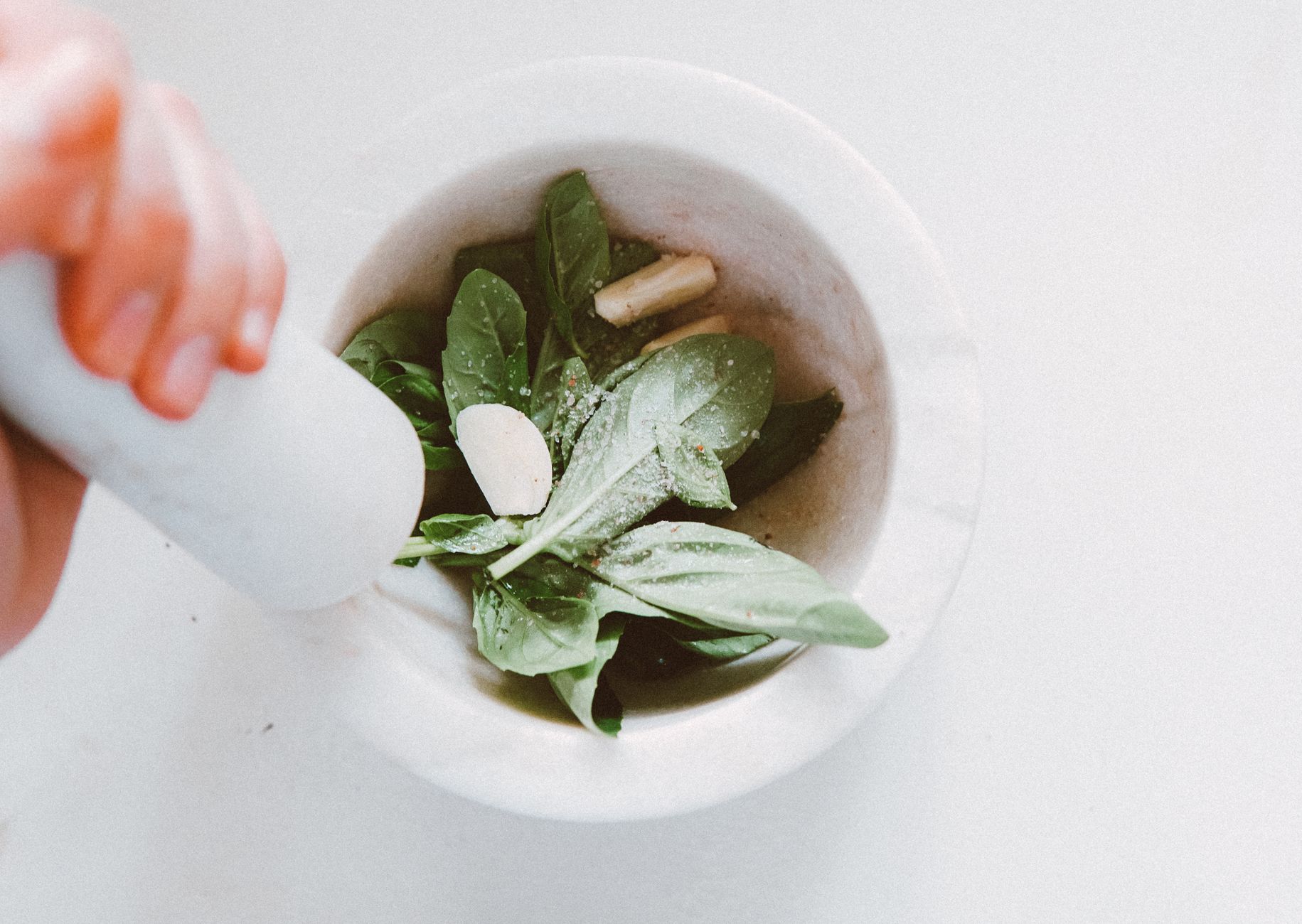
Pesto is a vibrant green sauce known for its bold flavor and versatility in various dishes. Originating from the Italian region of Liguria, pesto is primarily made from fresh basil, garlic, pine nuts, Parmesan cheese, and olive oil. In this article, we will explore the meaning of pesto, its origins, the history of this delightful sauce, and the various traditions surrounding its preparation and usage.
Understanding pesto’s rich background and how to incorporate it into your cooking will enhance your culinary experience. Whether you’re new to making sauces or an experienced cook looking to expand your repertoire, this guide will provide you with everything you need to know about pesto.
What Does Pesto Mean?
The term “pesto” comes from the Italian verb “pestare,” which means to crush or pound. Traditionally, this refers to the method used to prepare the sauce, which involves grinding the ingredients together, often in a mortar and pestle. Thus, pesto is more than just a sauce; it represents a specific technique in Italian culinary culture.
Origins of Pesto
Pesto traces its roots back to ancient Roman times, where a similar sauce called “moretum” was made using herbs, cheese, and vinegar. The modern version of pesto, as we know it today, emerged in the region of Liguria during the 19th century. Liguria’s warm climate and fertile soil provide the ideal conditions for growing fresh basil, which became the signature ingredient of this sauce.
The History of Pesto in Italian Cuisine
Pesto’s rise to popularity in Italy mirrored the increasing availability of ingredients due to trade routes and agriculture development. As globalization expanded the culinary landscape, variations of pesto began to emerge across different regions, each adapting local ingredients.
The first documented pesto recipe appeared in Giovanni Battista Ratto’s cookbook “La Cuciniera Genovese” published in 1863. This recipe combined basil, garlic, Parmigiano-Reggiano, and pine nuts, establishing the essential components we recognize today. Over the decades, pesto became a staple not just in Liguria but throughout Italy and eventually the world.
Traditional Ingredients in Pesto
At its core, traditional pesto consists of a few key ingredients that contribute to its unique flavor profile:
- Basil: Fresh basil leaves are the primary ingredient, contributing both flavor and the signature green color.
- Garlic: Raw garlic adds depth and a pungent kick that balances the sweetness of the basil.
- Pine nuts: Toasted pine nuts add richness and a subtle nuttiness to the sauce.
- Parmigiano-Reggiano: This aged cheese lends saltiness and umami, enhancing the overall flavor.
- Olive oil: Extra virgin olive oil is used as the base to bind the ingredients, providing smoothness to the sauce.
Variations of Pesto
While traditional basil pesto is beloved, numerous variations exist, allowing for creative adaptations based on personal preferences or ingredient availability. Here are some popular alternatives:
1. Pesto Rosso (Red Pesto)
This variation uses sun-dried tomatoes instead of basil as the main ingredient. Typically, it’s blended with walnuts or almonds, garlic, Parmesan, and olive oil, resulting in a rich, slightly sweet sauce.
2. Arugula Pesto
Using peppery arugula in place of basil creates a distinctively zesty flavor. This pesto works well with pasta and grilled meats.
3. Spinach Pesto
Spinach offers a milder and slightly sweeter alternative to basil, making it an ideal choice for those seeking a gentler flavor profile. This pesto can be used in salads, sandwiches, and dips.
4. Walnut Pesto
Instead of pine nuts, walnuts are incorporated for a heartier texture and flavor. This is particularly popular in regions where walnuts are abundant, like the Mediterranean.
5. Vegan Pesto
For a dairy-free version, nutritional yeast can be used in place of Parmesan cheese, providing a similar savory taste without animal products. Various nuts, such as cashews or almonds, can also enhance the creaminess.
Cooking with Pesto
Pesto’s versatility extends beyond pasta, making it a valuable addition to a wide range of dishes. Here are some popular applications:
- Pasta: Traditionally, pesto is tossed with pasta, such as trofie or trenette. The warmth of the pasta helps to release and enhance the flavors of the sauce.
- Sandwiches and Wraps: Pesto acts as a robust spread, adding a unique flavor profile to sandwiches and wraps.
- Pizza: Swapping traditional tomato sauce for pesto adds a fresh twist to pizza, particularly with toppings like chicken or vegetables.
- Dressings: Thin pesto out with additional olive oil or vinegar to create a salad dressing or dipping sauce.
- Marinades: Pesto can be used as a marinade for meats and fish, imparting flavor before grilling or roasting.
How to Make Traditional Basil Pesto
Making traditional pesto at home is surprisingly simple and allows for customization based on your taste preferences. Below is a step-by-step guide to prepare traditional basil pesto.
Yield and Timing
- Yield: Approximately 1 cup
- Preparation Time: 10 minutes
- Total Time: 10 minutes
Ingredients
- 2 cups fresh basil leaves, packed
- 2 cloves garlic, peeled
- 1/4 cup pine nuts, toasted
- 1/2 cup grated Parmigiano-Reggiano cheese
- 1/2 cup extra virgin olive oil
- Salt and pepper to taste
Essential Equipment
- Food processor or mortar and pestle
- Spatula
- Measuring cups and spoons
Method
- Begin by toasting the pine nuts in a dry skillet over medium heat for a few minutes until golden and fragrant, stirring often to prevent burning.
- In a food processor, combine the basil leaves, garlic, and toasted pine nuts. Pulse until finely chopped.
- Add the grated Parmigiano-Reggiano cheese and pulse again to combine.
- While the food processor is running, slowly drizzle in the olive oil until the mixture is smooth and emulsified. If using a mortar and pestle, grind the ingredients, adding the oil gradually as you work it into a paste.
- Season the pesto with salt and pepper to taste, adjusting as needed based on your flavor preference.
- Transfer the pesto to an airtight container, drizzling a little extra olive oil on top to prevent oxidation, and store in the refrigerator until ready to use.
Practical Tips for Making Pesto
Here are some tips to enhance your pesto-making experience:
- Use Fresh Ingredients: Fresh basil, quality olive oil, and freshly grated cheese make a significant difference in flavor.
- Preserve Color: To maintain the vibrant green of pesto, add a few drops of lemon juice as you blend the ingredients.
- Experiment with Textures: Adjust the amount of olive oil depending on whether you prefer a thicker or thinner consistency.
- Store Properly: Pesto can be kept in the fridge for about a week. For long-term storage, freeze it in ice cube trays and transfer the cubes to a zip-top bag.
Common Mistakes to Avoid
Making pesto is straightforward, but certain pitfalls can impact the final product:
- Overprocessing: Blending for too long can make the pesto too liquidy and may cause the basil to turn brown. Pulse gently to retain texture.
- Neglecting Freshness: Wilted or browning basil leaves will yield off-flavors and an undesirable appearance.
- Skipping Toasting: Toasting the pine nuts enhances their flavor; skipping this step can lead to a bland result.
Serving Suggestions and Pairings
Pesto is incredibly versatile and can brighten up many dishes. Consider these serving suggestions:
- Classic Pasta Toss: Combine with al dente pasta for a quick meal.
- Caprese Salad Twist: Drizzle over fresh mozzarella and tomatoes alongside pesto for a refreshing twist.
- Risotto: Stir through creamy risotto for added flavor at the end of cooking.
- Grilled Vegetables: Toss grilled or roasted vegetables in pesto just before serving.
Make-Ahead Guidance
Pesto can be made ahead and stored for future use. Here are some tips:
- Store in the refrigerator for up to a week; cover with a layer of olive oil to preserve freshness.
- Freeze in small portions using ice cube trays for easy access. Just thaw the cubes as needed.
Storage and Reheating
If you have leftover pesto, follow these storage tips:
- Pesto will keep in the refrigerator for about 5-7 days. Ensure it is stored in an airtight container.
- Pesto can be frozen for up to 3 months. When ready to use, thaw in the fridge or at room temperature and stir before serving.
Conclusion
Pesto is a delicious and versatile sauce that embodies both the simplicity and complexity of Italian cuisine. By understanding its origins, traditional ingredients, and variations, you can create your own flavorful pesto at home. Now that you’re equipped with knowledge, why not try making a batch of fresh pesto to elevate your next meal?
Explore related recipes, cooking tips, or food guides to expand your culinary skills. Check out our pesto recipe without pine nuts for a tasty alternative. Happy cooking!