
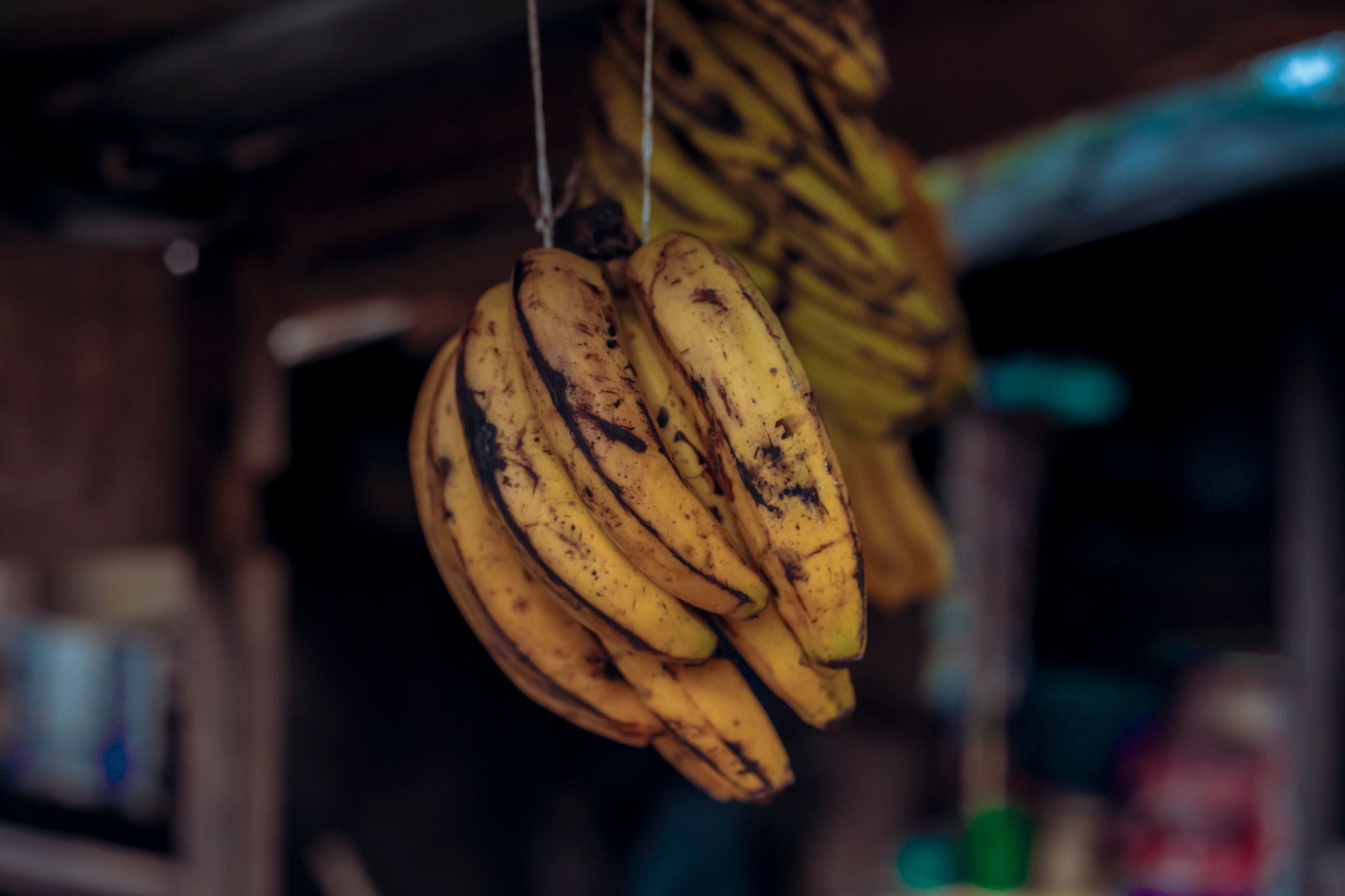
Bananas are one of the most popular fruits worldwide, known for their sweet flavor, soft texture, and versatile culinary uses. They belong to the genus Musa and are typically elongated, with a peel that ranges from green to yellow as they ripen. With a unique combination of taste and nutritional benefits, bananas are a staple in many households.
The allure of bananas goes beyond their delicious taste; they are packed with essential nutrients, making them a great choice for a healthy snack or ingredient in various dishes. In this article, we will explore the components of a banana, its flavor profile, and how to prepare and serve it in creative ways.
What Is a Banana?
A banana is a tropical fruit that grows in clusters on banana plants. The fruit is classified botanically as a berry and features a soft, fleshy interior with a peel that is often discarded. Bananas are rich in vitamins, especially vitamin C and vitamin B6, and provide dietary fiber, potassium, and several antioxidants. They can be consumed raw or cooked, used in baking, smoothies, and various dishes.
Ingredients in a Banana
Understanding the composition of a banana provides insight into its flavor and nutritional benefits. Here are the primary ingredients found in a banana:
- Carbohydrates: Bananas are primarily composed of carbohydrates, mainly in the form of sugars like fructose, glucose, and sucrose.
- Fiber: They contain both soluble and insoluble fiber, aiding in digestion and contributing to a feeling of fullness.
- Vitamins: Rich in vitamin C, which supports the immune system, and vitamin B6, essential for metabolism and brain health.
- Minerals: High in potassium, which is important for heart health, and contains small amounts of magnesium and manganese.
- Antioxidants: Bananas provide various antioxidants, including dopamine and catechins, which may contribute to overall health.
Flavor Profile of Bananas
The flavor of a banana can change based on its ripeness. Here’s what to expect:
- Unripe (green) bananas: Firm and less sweet, they have a starchy taste and can be slightly bitter.
- Partially ripe bananas: As they turn yellow, the sweetness begins to develop, and the texture becomes softer.
- Ripe bananas: Fully yellow bananas are sweet, soft, and fragrant. Overripe bananas may have brown spots, making them extremely sweet and ideal for baking.
- Overripe bananas: Dark brown or black, they can have a more intense sweetness and a nearly mushy texture.
How to Serve a Banana
Bananas are incredibly versatile and can be prepared in various ways. Here are some popular serving methods:
Raw
The most straightforward way to enjoy a banana is to eat it raw. Simply peel and eat! This is an easy snack option or a great addition to breakfast.
In Smoothies
Bananas add creaminess and natural sweetness to smoothies. Blend them with other fruits, yogurt, or milk for a delicious beverage.
In Baking
Overripe bananas are often used in baking recipes, particularly banana bread. They add moisture and flavor to muffins, pancakes, and cakes. Here’s a simple recipe for banana bread:
Banana Bread Recipe
This classic banana bread is a fantastic way to use overripe bananas. It’s moist, flavorful, and perfect for breakfast or as a snack.
- Yield: 1 loaf (about 10 servings)
- Preparation time: 15 minutes
- Cooking time: 60 minutes
- Total time: 1 hour 15 minutes
Ingredients
- 3 overripe bananas, mashed
- 1/3 cup melted butter
- 1 teaspoon baking soda
- Pinch of salt
- 3/4 cup sugar (brown or white)
- 1 large egg, beaten
- 1 teaspoon vanilla extract
- 1 cup all-purpose flour
Essential Equipment
- Mixing bowl
- Loaf pan (9×5 inches)
- Measuring cups and spoons
- Fork or potato masher (for mashing bananas)
- Oven
Method
- Preheat your oven to 350°F (175°C).
- In a mixing bowl, mash the overripe bananas with a fork or masher.
- Stir in the melted butter, then add the baking soda and salt.
- Mix in the sugar, beaten egg, and vanilla extract.
- Finally, add the flour and stir until just combined, being careful not to overmix.
- Pour the batter into a greased loaf pan.
- Bake for 60-65 minutes, or until a toothpick inserted into the center comes out clean.
- Allow the bread to cool in the pan for a few minutes, then turn it out onto a wire rack to cool completely.
In Salads
Bananas can also be added to fruit salads or green salads for added sweetness and texture. Pair them with ingredients like spinach, walnuts, and berries for a refreshing dish.
As a Dessert
Bananas can be served as a simple dessert by drizzling with honey or paired with yogurt or ice cream. They can also be flambéed with rum for a more decadent option.
In Snacks
Banana chips are a popular snack, made by slicing and dehydrating or frying bananas. They offer a crunchy alternative to fresh bananas.
Practical Substitutions for Bananas
If you find yourself without bananas for a recipe, there are several nutritious substitutes you can consider:
- Applesauce: Use 1/4 cup of unsweetened applesauce for each banana in baked goods. It provides moisture with a fruity flavor.
- Puree of other fruits: Mashed avocados or cooked and pureed sweet potatoes can add creaminess and flavor in similar quantities.
- Commercial banana substitutes: Some products mimic the taste and texture of bananas for baking, though they may contain added sugars or preservatives.
- Chia seeds: Mix 1 tablespoon of chia seeds with 2.5 tablespoons of water to replace one banana in recipes. It adds texture and nutrients.
Common Mistakes When Using Bananas
While discovering new ways to use bananas, some common mistakes can affect the outcome:
- Not using ripe bananas: For baked goods, overripe bananas add moisture and flavor. Avoid using firm or under-ripe bananas to ensure the best taste.
- Overmixing banana bread batter: To maintain the bread’s light texture, mix until just combined; overmixing can result in a dense loaf.
- Improper storage: Store bananas at room temperature, out of direct sunlight. If they become too ripe, refrigerating them will prolong their usability.
- Ignoring doneness cues: Baking times may vary based on your oven and loaf pan. Use a toothpick test to check for doneness to avoid undercooked or overcooked bread.
Storage and Reheating Guidance
Proper storage of bananas and banana-based products is essential for maximizing their shelf life:
- Fresh bananas: Store them at room temperature. If overripe, place them in the refrigerator to slow further ripening, although the peel may darken.
- Banana bread: Once cooled, keep it in an airtight container at room temperature for up to 4 days or refrigerate for longer storage. For extended freshness, wrap it tightly in plastic wrap and freeze for up to 3 months.
- To reheat banana bread: Slice and microwave for 10-20 seconds or place individual slices in a toaster oven until warmed through.
Health Benefits of Bananas
Bananas are known for various health benefits, making them an excellent addition to a balanced diet:
- High potassium content supports heart health and regulates blood pressure.
- Bananas may aid digestion due to their fiber content, promoting gut health.
- The antioxidants in bananas help combat oxidative stress and inflammation.
- Serving as a quick energy source, bananas can be beneficial before or after exercise.
Where Do Bananas Come From?
Bananas grow on large herbaceous plants in tropical climates. Originating in Southeast Asia, bananas were cultivated for thousands of years before spreading to Africa, the Americas, and beyond. Today, they are produced in numerous countries, with India and China being the largest producers. Understanding their origin can enhance appreciation for this beloved fruit.
Final Thoughts on Bananas
Bananas are not only delicious but also incredibly versatile. Whether you’re looking for a healthy snack, a baking ingredient, or a component in savory dishes, bananas can fit the bill. With a rich flavor, nutritional benefits, and endless possibilities in the kitchen, bananas deserve a spot in your pantry.
If you’re interested in exploring more about bananas, including detailed insights on their fiber content, their origins, or even more ways to use them in baking, check out What Is A Banana?, How Much Fiber in Banana?, Where Do Bananas Come From?, and How Do You Make Banana Bread?.