
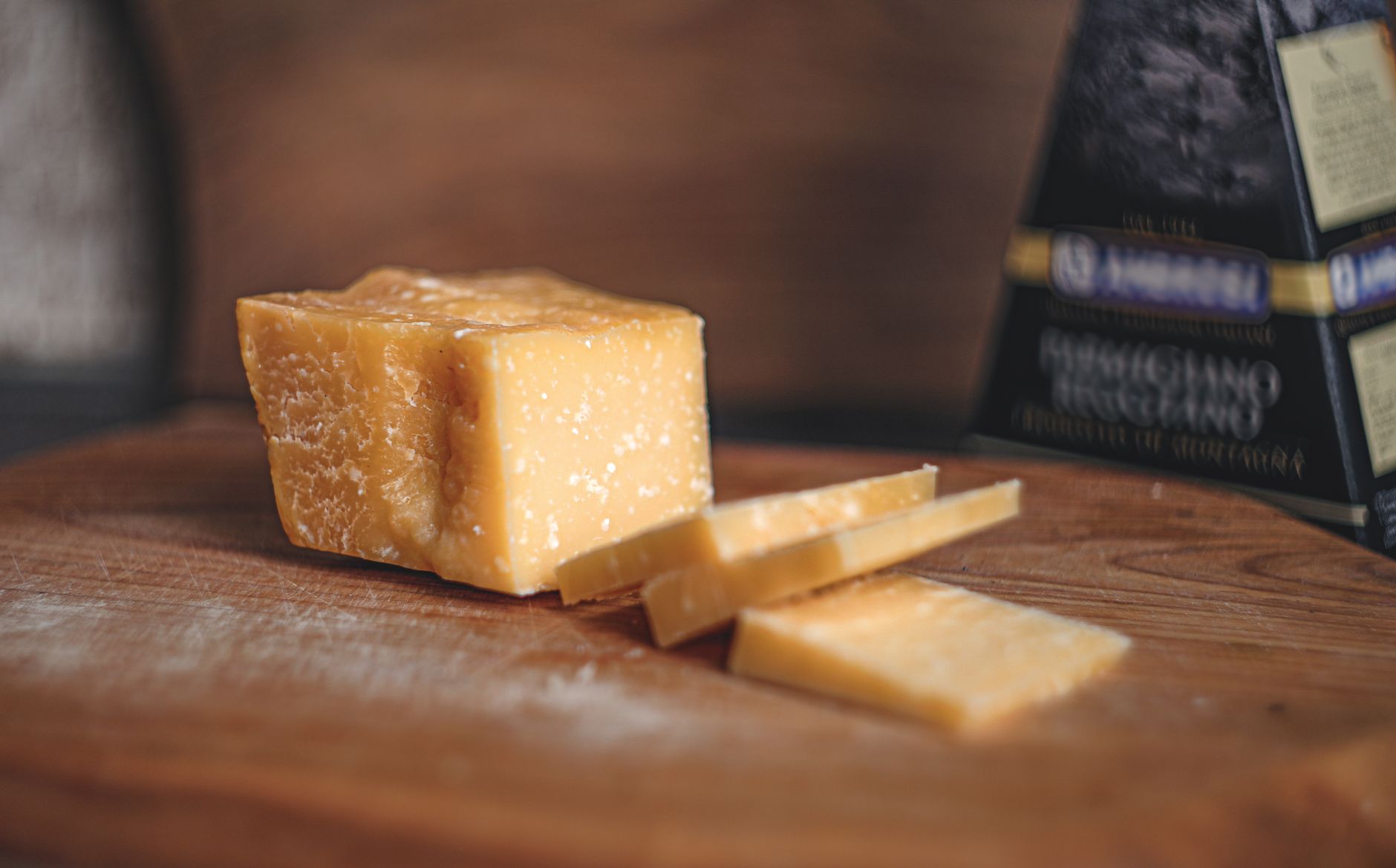
Mizithra cheese is a traditional Greek cheese that adds a unique flavor profile to various dishes. Known for its crumbly texture, it offers distinct taste notes that range from mildly sweet to slightly tangy depending on its aging process. This article will explore what mizithra cheese is, its flavors, textures, and versatile kitchen uses.
Whether you’re discovering it for the first time or looking for new ways to incorporate it into your meals, this guide will provide you with all the information you need about mizithra cheese, from its characteristics to practical applications in cooking.
What Is Mizithra Cheese?
Mizithra cheese, a traditional dairy product from Greece, is made from whey, typically derived from sheep’s milk or sometimes goat’s milk. Originating in various regions of Greece, it is celebrated for its versatility in both sweet and savory dishes. This cheese can be found in both fresh and aged forms; the fresh version is softer and moister, while the aged type is drier and crumblier.
Taste and Texture of Mizithra Cheese
The flavor of mizithra cheese varies significantly with maturity. Fresh mizithra is creamy, soft, and slightly tangy, making it perfect for spreading. In contrast, aged mizithra develops a firmer, crumbly texture and a more pronounced, nutty flavor that intensifies with time, often becoming saltier as it ages.
Fresh Mizithra
Fresh mizithra possesses a light, creamy texture with a mildly sweet taste and a hint of tanginess. It is often used in salads or served as part of a mezze platter.
Aged Mizithra
Aged mizithra is characterized by its drier, crumbly consistency. The flavor deepens, becoming more complex and savory over time. This form is typically grated and used as a flavorful topping for pastas, salads, or baked dishes.
Culinary Uses of Mizithra Cheese
Mizithra cheese is wonderfully versatile in the kitchen and can enhance a variety of dishes. Below are common uses for both fresh and aged varieties.
1. Pasta Dishes
Aged mizithra is particularly popular as a topping for pasta. It is often sprinkled on simple preparations, like spaghetti with olive oil and garlic, where its flavors can shine through. You can also combine it with sautéed vegetables or incorporate it into creamy sauces. Since it melts beautifully, it can also be used in baked pasta dishes for added flavor.
2. Salads
Fresh mizithra cheese adds richness and creaminess to salads. It can be crumbled over mixed greens, tossed with olives, and drizzled with olive oil and lemon juice for a Mediterranean-inspired salad. It’s also a great addition to grain salads, where its texture contrasts nicely with the grains.
3. Mezze Platters
Mizithra can play a role in a traditional Greek mezze platter. Paired with olives, roasted peppers, pita bread, and various dips, it makes for an exciting appetizer or snack option. The fresh version works great as a spread, while the aged type can be served in wedges for diners to enjoy.
4. Baked Goods
Consider using aged mizithra in place of parmesan in savory pies and pastries. Its umami-rich flavor can elevate the taste profile of these dishes significantly. Additionally, it can be incorporated into bread dough for enhanced flavor.
5. Sweets and Desserts
Interestingly, fresh mizithra is also utilized in sweet dishes. It can be blended with sugar and cinnamon to fill pastries or used in traditional Greek desserts like baklava for added creaminess and flavor. Additionally, it can be served with honey or fruit for a light dessert option.
How to Store Mizithra Cheese
The way you store mizithra cheese will vary depending on whether it is fresh or aged. Proper storage helps maintain its flavor and texture. Here are some tips for both varieties:
Fresh Mizithra Storage
- Keep in an airtight container to prevent moisture loss.
- Store in the refrigerator, where it will remain fresh for up to a week.
- If unopened, check expiration dates, but try to use ASAP for best quality.
Aged Mizithra Storage
- Wrap it tightly in wax paper or cheese wrap; avoid plastic wrap as it can retain moisture.
- Store in a cheese drawer or the vegetable compartment of the fridge to maintain an ideal climate.
- Aged mizithra can last for several months if stored properly.
Cooking Tips for Using Mizithra Cheese
When cooking with mizithra cheese, keep the following tips in mind to maximize flavor and texture:
- Grate aged mizithra just before use to release its full flavor.
- Add fresh mizithra at the end of cooking to maintain its creamy texture.
- Pair the cheese with seasonal vegetables for a complete dish.
- Experiment with different herbs and spices that complement its flavor; rosemary and oregano work particularly well.
Common Mistakes When Cooking with Mizithra Cheese
Even experienced cooks can make mistakes when working with specialty cheeses like mizithra. Avoid these common pitfalls:
- Not accounting for the saltiness of aged mizithra. Taste before adding additional salt to your dishes.
- Using fresh mizithra in applications that require melting; it won’t provide the same texture as aged versions.
- Overheating mizithra in sauces, which can result in a grainy texture instead of the desired creaminess.
Substitutes for Mizithra Cheese
If you cannot find mizithra cheese, there are several alternatives that can provide similar flavors and textures, depending on the dish you are preparing. Here are some options:
- Ricotta: A soft cheese that can work well in salads and sweet applications. Add a bit of lemon zest for added tang.
- Feta: While saltier, it can work in salads or as a topping. Use a little less than the recipe calls for to prevent overpowering your dish.
- Parmesan: Suitable for aged mizithra, especially in pasta or baked dishes. It offers a similar umami flavor though may be saltier, requiring adjustments.
- Mascarpone: Works well in dessert applications, providing creaminess similar to fresh mizithra.
Conclusion: Embrace Mizithra Cheese in Your Cooking
Mizithra cheese is a unique ingredient that elevates various dishes with its rich flavor and textures. Whether using the fresh version in salads or incorporating the aged type into pasta, its versatility can enhance many meals. Enjoy experimenting with this delightful cheese, and don’t be afraid to think outside traditional uses!
For other creative cooking techniques, flavorful recipe ideas, or ingredient explorations, we invite you to explore additional resources on our blog. Consider checking out our guides on pasta dishes, cheese pairings, or Mediterranean cuisine to continue your culinary journey!