
Picture a cozy kitchen filled with the rich aroma of slow-cooked rabbit, herbs, and spices mingling together. This traditional Hasenpfeffer recipe is not just a meal; it’s a culinary tradition that brings comfort and warmth to the table, perfect for special occasions or a hearty family dinner.
With its tender meat, savory sauce, and unique flavor profile, Hasenpfeffer is a dish that stands out. The slow braising transforms the rabbit into a melt-in-your-mouth delight, making it a memorable experience for all who share it.
Why You’ll Love This Recipe
This recipe captures the essence of rustic cooking at its best.
- Rich and savory flavors that deepen over time.
- Simple ingredients that create a complex dish.
- Perfect for impressing guests or enjoying a cozy night in.
- A traditional dish with a unique twist that sparks conversation.
My Experience Making This Recipe
When I first attempted Hasenpfeffer, I was pleasantly surprised by how fragrant my home became as the rabbit simmered away. My family gathered around the table, drawn in by the delicious scent, eager to dig in.
The moment we took the first bite, I knew I had struck gold; the tender rabbit bathed in the rich sauce was an instant hit. It felt like sharing a piece of history, where every forkful told a story of comfort and tradition.
Recipe Overview
- Recipe Name: Hasenpfeffer
- Servings: 4
- Prep Time: 20 minutes
- Cook Time: 2 hours
- Total Time: 2 hours 20 minutes
- Course: Main Course
- Cuisine: German
- Calories per Serving: 350
Equipment You Will Need
- Large Dutch oven or heavy pot
- Wooden spoon
- Measuring cups and spoons
- Sharp knife
- Cutting board
Ingredients for Hasenpfeffer
- 2 lbs rabbit, cut into pieces
- 1 cup red wine
- 1 cup chicken or rabbit broth
- 2 onions, sliced
- 2 cloves garlic, minced
- 2 tbsp vegetable oil
- 2 tbsp apple cider vinegar
- 1 tbsp brown sugar
- 1 tsp dried thyme
- 1 tsp bay leaf
- Salt and pepper, to taste
Ingredient Notes and Substitutions
- Rabbit: This protein has a unique flavor and tenderness. You can substitute with chicken thighs for a similar taste.
- Red wine: It adds depth to the sauce. A good quality white wine can work in a pinch.
- Chicken or rabbit broth: Essential for moisture and flavor. Vegetable broth is a great alternative for a lighter taste.
- Apple cider vinegar: It helps balance the flavors. White wine vinegar can be a suitable substitute.
How to Make Hasenpfeffer
Step 1: Marinate the Rabbit
Combine the rabbit pieces with red wine, apple cider vinegar, and a sprinkle of salt and pepper in a bowl. Marinating for at least 2 hours helps tenderize the meat and infuse it with flavor.
Step 2: Prepare the Vegetables
Slice the onions and mince the garlic while the rabbit marinates. This ensures that your ingredients are ready for a smooth cooking process.
Step 3: Brown the Rabbit
Heat vegetable oil in a large Dutch oven over medium-high heat. Add the rabbit pieces in batches, browning on all sides to develop a rich color and flavor.
Step 4: Sauté the Aromatics
Remove the rabbit and set aside. In the same pot, add the sliced onions and garlic, sautéing until they are soft and translucent, which builds the base of your sauce.
Step 5: Add the Liquids
Return the rabbit to the pot and pour in the chicken broth and any remaining marinade. This helps create a delicious sauce that the rabbit will soak up during cooking.
Step 6: Season the Dish
Add brown sugar, thyme, and bay leaf to the pot. These ingredients enhance the depth of flavor and balance the acidity from the wine and vinegar.
Step 7: Simmer the Dish
Bring the mixture to a simmer, then cover and reduce the heat to low. Cooking for about 2 hours allows the flavors to meld and the rabbit to become tender and juicy.
Step 8: Serve and Enjoy
Once cooked, remove the bay leaf and adjust the seasoning if needed. Serve warm, and watch as everyone digs in with delight.
Pro Tip: Marinating the rabbit overnight will yield even more flavorful results.
Tips for the Best Hasenpfeffer
- Use a heavy pot for even cooking and heat distribution.
- Don’t rush the browning step; it adds layers of flavor.
- Feel free to add root vegetables like carrots or potatoes for a heartier meal.
- Adjust the acidity by adding more or less vinegar based on your taste preferences.
- Leftovers taste even better the next day, so make extra!
Common Mistakes to Avoid
- Skipping the marination step can result in less flavorful meat.
- Not browning the rabbit properly can lead to a lack of depth in flavor.
- Overcrowding the pot when browning can create steaming instead of browning.
- Ignoring the resting time after cooking can lead to tough meat.
Serving Suggestions
Hasenpfeffer pairs beautifully with various sides, enhancing the meal experience.
- Serve with creamy mashed potatoes for a comforting touch.
- Pair with sautéed green beans for a fresh crunch.
- A side of crusty bread is perfect for soaking up the sauce.
- Roasted root vegetables add sweetness and color to the plate.
Variations to Try
- For a spicy kick, add red pepper flakes during cooking.
- Try using different herbs like rosemary or oregano for a flavor twist.
- A splash of brandy can replace some of the wine for a deeper flavor.
- Incorporate mushrooms for an earthy note.
Dietary Adaptations
- Gluten-free: This recipe is naturally gluten-free, making it a safe choice.
- Dairy-free: No dairy is used, so it fits well into a dairy-free diet.
- Low-carb/keto: It’s low in carbs, primarily consisting of protein and healthy fats.
Storage and Reheating
Refrigerator
Store leftovers in an airtight container in the refrigerator.
- Keep for up to 3 days for the best quality.
Freezer
To freeze, allow the dish to cool completely before transferring it to a freezer-safe container.
- It can be frozen for up to 3 months.
Reheating
Reheat gently on the stove over low heat, adding a splash of broth if needed.
- Microwaving is an option but may not retain the same texture.
Nutrition Information
| Nutrient | Amount |
|---|---|
| Calories | 350 |
| Total Fat | 15g |
| Saturated Fat | 4g |
| Carbohydrates | 10g |
| Fiber | 1g |
| Sugar | 3g |
| Protein | 35g |
| Sodium | 400mg |
| Cholesterol | 85mg |
This information is approximate and can vary based on specific ingredients used.
Frequently Asked Questions
Can I use chicken instead of rabbit?
Yes, chicken is a great substitute, especially chicken thighs, which mimic the tenderness of rabbit.
Can I make this recipe ahead of time?
Absolutely! It tastes even better the next day as the flavors develop.
How do I store leftovers?
Store leftovers in an airtight container in the fridge for up to three days.
What if my sauce is too thin?
Simmer it uncovered for a few minutes to reduce and thicken the sauce.
Is Hasenpfeffer spicy?
No, it’s not typically spicy but can be adjusted with red pepper flakes for heat.
Final Thoughts
Making Hasenpfeffer is a rewarding experience that connects you to culinary traditions. I encourage you to give this recipe a try; it’s a delightful way to enjoy a classic dish.
If you love this recipe, don’t miss out on trying a comforting rabbit stew recipe or a delicious pork chop supreme recipe for more cozy meals.
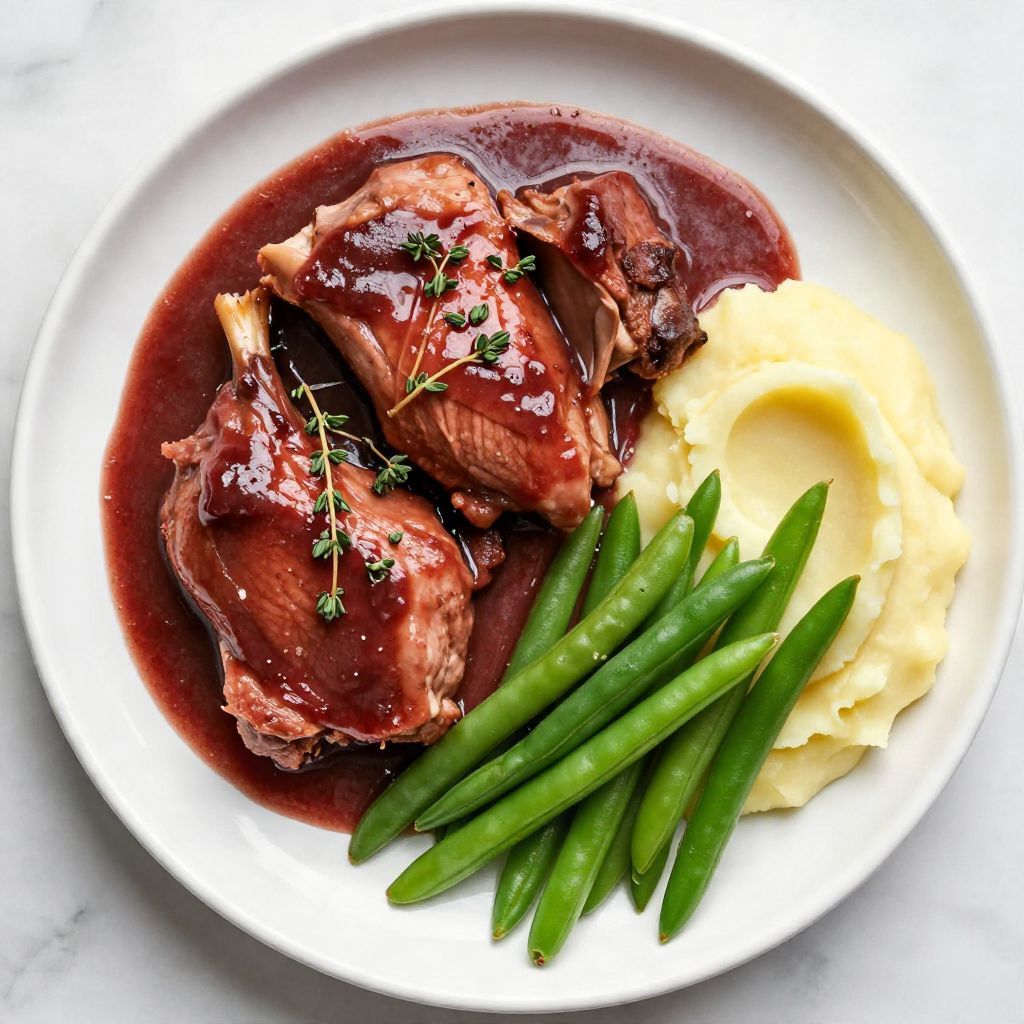
Hasenpfeffer
Ingredients
Equipment
Method
- Combine the rabbit pieces with red wine, apple cider vinegar, and a sprinkle of salt and pepper in a bowl. Marinate for at least 2 hours.
- Slice the onions and mince the garlic while the rabbit marinates.
- Heat vegetable oil in a large Dutch oven over medium-high heat. Add the rabbit pieces in batches, browning on all sides.
- Remove the rabbit and set aside. In the same pot, add the sliced onions and garlic, sautéing until soft and translucent.
- Return the rabbit to the pot and pour in the chicken broth and any remaining marinade.
- Add brown sugar, thyme, and bay leaf to the pot.
- Bring the mixture to a simmer, then cover and reduce the heat to low. Cook for about 2 hours.
- Once cooked, remove the bay leaf and adjust the seasoning if needed. Serve warm.