
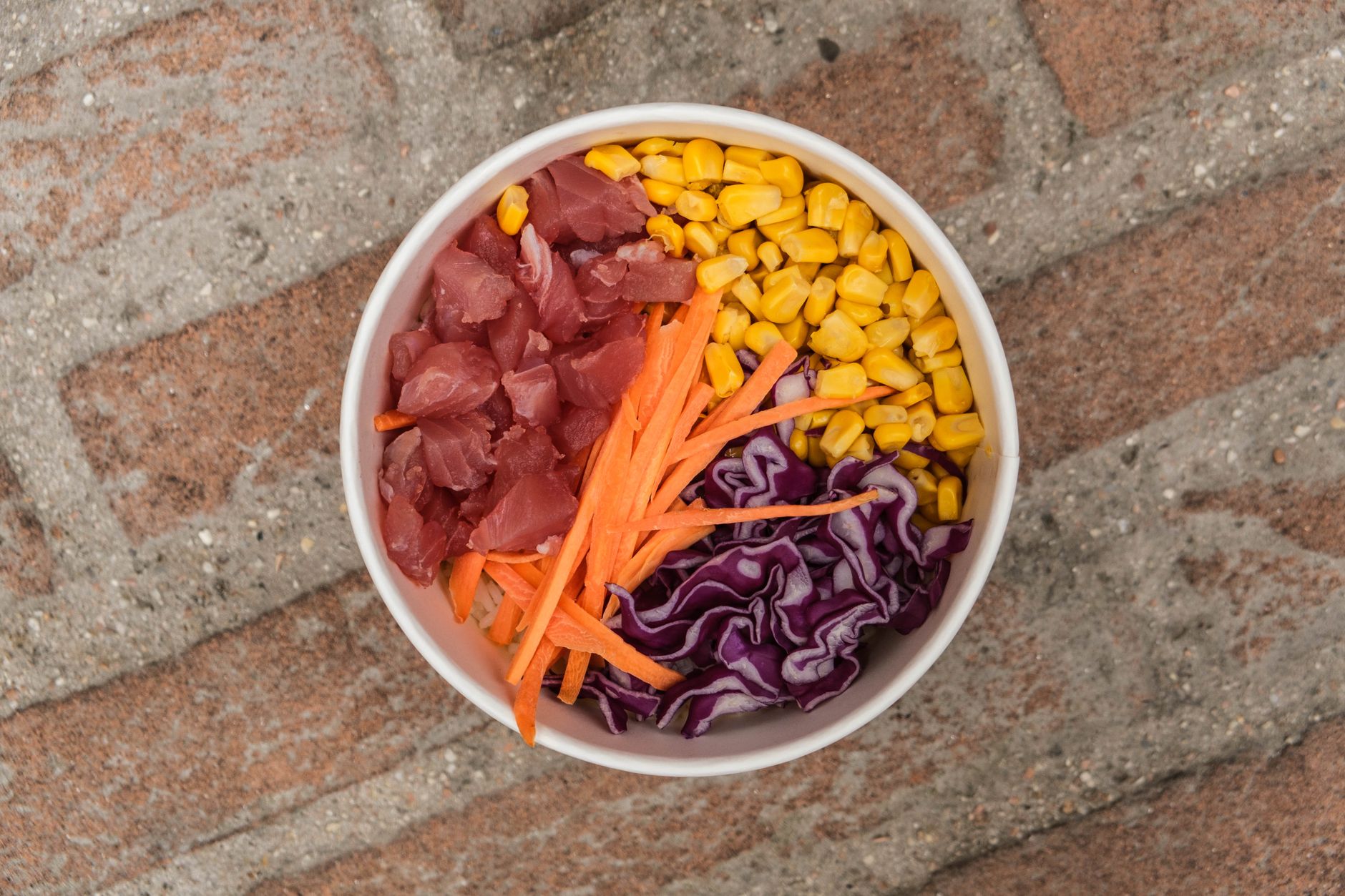
Poke, the vibrant dish originating from Hawaii, has gained immense popularity across the globe in recent years. Characterized by its fresh, cubed raw fish, flavorful marinades, and colorful toppings, poke is both a visual and culinary delight. Understanding poke’s origins and how it has evolved can deepen your appreciation for this dish and its cultural significance.
In this article, we will explore the history of poke, its traditional ingredients, modern adaptations, and insights into making your own poke at home. Through this journey, you will learn not only where poke comes from but also how to recreate this iconic Hawaiian dish with authentic flavors.
Where Does Poke Come From?
Poke originates from the islands of Hawaii, where it has been a traditional dish for centuries. The term “poke” comes from the Hawaiian verb “to slice” or “to cut,” reflecting the preparation method of the dish. Traditionally, poke was made by local fishermen who would slice their catch into bite-sized pieces, mix it with sea salt, and season it with local ingredients, creating a fresh and simple way to enjoy fish.
In the past, poke was primarily made with reef fish such as aku (a type of bonito) and ono (wahoo), seasoned with ingredients like seaweed, nuts, and poi. Over time, poke evolved, incorporating various types of fish and diverse flavors, which has led to the creation of numerous adaptations that cater to different palates. Today, poke bowls are a staple in Hawaiian cuisine and have transcended cultural boundaries, becoming popular in mainland U.S. cities and worldwide.
The Traditional Ingredients of Poke
Traditional poke features a few key ingredients that contribute to its distinctive taste and texture. Understanding these ingredients can help you appreciate the dish’s authenticity.
- Fish: The base of poke is typically fresh, raw fish. Traditionally, this includes varieties like salmon, tuna (ahi), or shellfish. Sourcing high-quality, sushi-grade fish is crucial for the best poke experience.
- Seasonings: Common seasonings in traditional poke include soy sauce, sea salt, sesame oil, and chili pepper. These ingredients enhance the fish’s natural flavors without overpowering it.
- Accompaniments: Additional toppings such as chopped green onions, onions, diced avocado, seaweed salad, and chili flakes enhance the dish’s flavor profile and add texture.
- Bindings: Ingredients like mayonnaise and spicy sauce are often used in various poke bowls to create a creamy element that complements the fish.
Modern Adaptations of Poke
The poke bowl has evolved substantially from its traditional roots. With the rise of food customization, various adaptations have emerged. Here are some popular ways poke is now enjoyed:
1. Fusion Ingredients
Modern poke incorporates global flavors, such as using mango, pineapple, or even kimchi, offering various taste experiences. This fusion allows for creative combinations, introducing new dimensions to the dish while maintaining its core essence.
2. Vegetarian and Vegan Poke
As dietary preferences shift, there are numerous vegetarian and vegan poke options available. Ingredients such as tofu, tempeh, chickpeas, seaweed, and a variety of vegetables serve as satisfying substitutes for seafood. These preparations ensure that everyone can enjoy the vibrant flavors of poke, regardless of dietary restrictions.
3. Grain Bowls
Poke bowls often feature a base that includes rice (white, brown, or sushi rice) or alternative grains like quinoa or cauliflower rice. This addition transforms poke into a full meal, making it a popular, hearty option for health-conscious diners.
4. Sauce Variations
In addition to traditional soy sauce, modern poke embraces innovative sauces such as spicy mayo, eel sauce, ponzu, and wasabi aioli. These toppings allow for further customization based on personal preferences and elevating the overall experience.
Making Poke at Home
Creating poke at home is a rewarding and enjoyable process. It allows you to customize flavors according to your taste preferences while experimenting with various ingredients. Here’s a step-by-step guide to making a traditional poke bowl.
Ingredients
- 1 pound sushi-grade tuna or salmon, diced into 1-inch cubes
- 3 tablespoons soy sauce
- 1 tablespoon sesame oil
- 1 teaspoon Sriracha (optional for heat)
- 1/4 cup green onions, chopped
- 1 avocado, diced
- 1 cup seaweed salad
- 2 cups cooked sushi rice
- Radish slices, for garnish
- Sesame seeds, for garnish
Essential Equipment
- Sharp knife for dicing fish
- Cutting board
- Mixing bowl for marinating
- Measuring spoons
- Rice cooker or pot for cooking rice
Step-by-Step Method
- Start by preparing the sushi rice. Rinse 1 cup of sushi rice under cold water until the water runs clear. Cook according to package instructions; generally, use a 1:1 ratio of rice to water. Allow it to cool slightly after cooking.
- While the rice is cooking, prepare the poke. In a mixing bowl, combine the sushi-grade fish, soy sauce, sesame oil, and Sriracha (if using). Gently toss to coat the fish evenly with the marinade.
- Add the chopped green onions and gently mix again. Allow the fish to marinate for about 15-30 minutes to enhance the flavors.
- To assemble the poke bowl, start with a base of cooked sushi rice. Spoon the marinated fish over the rice.
- Top with diced avocado, seaweed salad, radish slices, and sprinkle with sesame seeds for garnish. Customize further with additional toppings if desired.
- Serve immediately and enjoy your homemade poke bowl!
Common Mistakes and Troubleshooting
When making poke, a few common mistakes can affect your results. Here are some tips to avoid common pitfalls:
- Using non-sushi-grade fish is a frequent mistake. Always ensure to source high-quality fish to reduce the risk of foodborne illness.
- Over-marinating fish can lead to a mushy texture. Stick to the recommended marinating time to ensure optimal flavor and texture.
- Failing to properly cook the rice can result in undesirable texture. Follow the package instructions carefully for best results.
- Overloading the bowl with too many toppings can lead to overwhelming flavors. Keep it simple and balanced for a more enjoyable dish.
Storage and Reheating Guidance
Poke is best enjoyed fresh. However, if you have leftovers, it’s essential to store them properly. Here are some tips for handling poke leftovers:
- Store any leftover fish in an airtight container in the refrigerator and consume within 24 hours. The freshness of raw fish is vital for food safety.
- Cooked sushi rice can be stored in the refrigerator for up to three days. Make sure it cools to room temperature before refrigerating.
- Avoid freezing poke, as the texture of the fish will be compromised after thawing.
Serving Suggestions
Poke bowls can be enjoyed on their own or as part of a larger meal. Incorporating sides like miso soup, a refreshing cucumber salad, or even some Hawaiian-style taro chips can elevate the dining experience. Consider pairing your poke bowl with a tropical beverage like a coconut smoothie or a refreshing iced tea for a complete meal.
Poke Around the World
As poke has gained popularity outside of Hawaii, the dish has been adapted to suit local tastes and ingredients. Different regions put unique spins on traditional poke, highlighting their local seafood and flavors. For instance:
- In California, poke bowls are often topped with colorful garnishes like mango, spicy mayo, and pickled vegetables, showcasing the state’s vibrant culinary scene.
- In New York, poke shops may feature Asian-inspired variations, including wasabi-flavored sauces and even kimchi.
- In Australia, poke is enjoyed with fresh local seafood, showcasing the country’s maritime bounty.
Each adaptation reflects the local culture and culinary preferences, illustrating the universal appeal of this dish.
The Cultural Significance of Poke
Poke is more than just a dish; it is deeply rooted in Hawaiian culture and traditions. Traditionally served during gatherings and celebrations, poke embodies the spirit of aloha—friendship and hospitality. Sharing poke at luaus and family celebrations fosters community and connection.
Moreover, the rise of poke outside of Hawaii serves to introduce and share Hawaiian lifestyle and culinary heritage with a broader audience. While traditional poke remains cherished, its evolution demonstrates the adaptability of cultural foods while fostering appreciation for authentic Hawaiian cuisine.
Understanding where poke comes from enriches our experience of the dish. As you explore this culinary journey at home or in restaurants, embrace the opportunity to customize it based on your personal tastes while keeping its roots in mind. Whether you are a lifelong fan of poke or trying it for the first time, the dish promises to be a delightful experience filled with freshness, flavor, and a touch of Hawaiian tradition.
If you want to learn more about other fascinating dishes such as tasso or explore the taste of crab, check out our articles on what is tasso and what crab tastes like. Discover more exciting recipes, cooking tips, and food guides to fuel your culinary adventures!