
Picture this: smoke curling up from the fire, the smell of charred tomatoes and garlic hitting your nose, and everyone gathered around waiting for that first taste of sauce that’s been simmering in a cast iron skillet for hours.
Campfire sauce is the kind of recipe that transforms a simple outdoor meal into something memorable. It’s bold, smoky, and tastes like it took way more effort than it actually did, which makes it perfect for feeding a crowd without stress.
What makes this sauce special is how the heat of the campfire caramelizes the tomatoes and deepens every flavor, while the smoke adds a complexity you can’t replicate indoors. Best part: you can prep ingredients at home and let the fire do the heavy lifting.
Why You’ll Love This Recipe
This sauce delivers serious flavor with minimal fuss, and it works over an open flame or a home stove if the weather isn’t cooperating. The ingredients are simple, the technique is forgiving, and the results taste like you spent all day in the kitchen.
- Smoky, caramelized flavor that’s impossible to fake indoors
- Works with whatever proteins or pasta you’re cooking over the fire
- Can be made ahead and reheated without losing its charm
- Naturally vegetarian and easily adaptable for dietary needs
- Impresses guests with minimal stress or complicated steps
My Experience Making This Recipe
The first time I made this sauce at a family camping trip, I was honestly skeptical it would turn out well. Cooking over fire feels unpredictable, and I thought something would burn or the timing would fall apart.
Within minutes of the tomatoes hitting the hot cast iron skillet, the kitchen aromas hit different. The edges of the tomatoes blistered and turned dark, and the whole fire smelled like a proper outdoor restaurant.
What surprised me most was how the sauce came together without constant stirring. I could actually enjoy the campfire instead of hovering over the pot like a worried parent. Everyone went back for seconds, and now it’s become the unofficial signature dish of every camping trip.
Recipe Overview
- Recipe Name: Campfire Sauce
- Servings: 6 to 8
- Prep Time: 15 minutes
- Cook Time: 35 minutes
- Total Time: 50 minutes
- Course: Condiment or sauce
- Cuisine: Italian-inspired
- Calories per Serving: 85
Equipment You Will Need
- Cast iron skillet or heavy-bottomed pot
- Long-handled metal spatula or wooden spoon
- Sharp chef’s knife
- Cutting board
- Tripod or grill grate for campfire cooking
- Heat-resistant gloves or thick kitchen towels
- Can opener (if using canned tomatoes)
- Measuring spoons and cups
Ingredients for Campfire Sauce
- 2 pounds fresh tomatoes, roughly chopped (or one 28-ounce can crushed tomatoes)
- 6 cloves garlic, minced
- 1/4 cup olive oil
- 1 tablespoon balsamic vinegar
- 1 teaspoon dried oregano
- 1 teaspoon dried basil
- 1/2 teaspoon red pepper flakes
- Sea salt to taste (about 1 teaspoon)
- Black pepper to taste (about 1/2 teaspoon)
- 2 tablespoons fresh basil, torn (optional, add at the end)
Ingredient Notes and Substitutions
- Fresh tomatoes: Peak-season tomatoes give you the best natural sweetness and flavor when charred. If they’re not in season, canned San Marzano tomatoes work just as well and often taste better than pale winter tomatoes.
- Garlic: Mincing it fine allows it to distribute evenly and cook quickly without burning. Garlic powder works in a pinch, but use one-third the amount since it’s more concentrated.
- Olive oil: The quality matters here since it’s a primary flavor component. Extra virgin oil adds richness, but regular olive oil works if that’s what you have on hand.
- Balsamic vinegar: This adds depth and a subtle sweetness that balances acidity. Red wine vinegar is a solid swap if balsamic isn’t available, though it’s slightly more acidic.
- Dried herbs: These withstand campfire heat and long cooking better than fresh herbs. Fresh oregano and basil can replace them one-to-one, but add them in the last five minutes so they don’t lose their flavor.
How to Make Campfire Sauce
Step 1: Set Up Your Cooking Station
Position your cast iron skillet on a stable grate or tripod over hot coals, not directly in the flames. The goal is moderate, consistent heat rather than intense fire that scorches the bottom.
Step 2: Heat the Olive Oil
Pour the olive oil into the skillet and let it warm for about two minutes until it shimmers. Hot oil helps the garlic bloom quickly and prevents it from browning too fast before the tomatoes add moisture.
Step 3: Saute the Garlic
Add the minced garlic and stir constantly for 30 to 45 seconds until it becomes fragrant and turns light golden. Garlic burns fast over high heat, so pull the skillet back slightly if the fire feels too intense.
Step 4: Add the Tomatoes
Pour in the chopped fresh tomatoes (or canned) and stir to combine with the garlic and oil. The tomatoes will release their liquid and help cool the pan slightly, preventing anything from scorching to the bottom.
Step 5: Add the Dried Herbs and Seasonings
Sprinkle in the oregano, basil, red pepper flakes, salt, and black pepper, then stir well. These dried herbs need time to rehydrate and release their oils, so even distribution is key.
Step 6: Let It Simmer and Reduce
Keep the skillet on the heat and let the sauce simmer for 20 to 25 minutes, stirring occasionally. The tomatoes break down, the flavors meld, and the liquid reduces to create a thicker, more concentrated sauce.
Step 7: Char the Edges
Once the sauce is thick enough to coat the back of a spoon, move it slightly closer to the coals for the last three to five minutes. You want to see some dark, caramelized spots on the surface, which add that signature campfire smokiness.
Step 8: Finish with Balsamic Vinegar
Remove the skillet from the heat and stir in the balsamic vinegar, which adds a final layer of complexity and balances the acidity. Taste and adjust salt and pepper as needed.
Step 9: Add Fresh Basil (Optional)
If you brought fresh basil, tear it by hand and fold it in gently just before serving. Fresh basil adds a bright, herbaceous note that cuts through the richness of the cooked sauce.
Pro Tip: The longer the sauce simmers, the deeper the flavor becomes, so don’t rush it. If you’re waiting for other food to cook, keep it warm at the edge of the fire and stir it every few minutes.
Tips for the Best Campfire Sauce
- Prep your tomatoes and garlic at home in advance so you can focus on managing the fire. This cuts down on stress and lets you enjoy the experience instead of scrambling with a cutting board over hot coals.
- Use a cast iron skillet because it distributes heat evenly and develops that beautiful dark crust on the bottom. The seasoning in cast iron also adds subtle depth to the flavor.
- Let tomatoes blister and char slightly on the bottom of the skillet without scraping constantly. This caramelization is what gives campfire sauce its signature smoky depth.
- Keep the fire moderate and consistent by adjusting the position of the grate rather than constantly moving the skillet. Wild temperature swings lead to burning on the bottom and undercooked tomatoes.
- Bring extra salt and pepper in small containers so you can taste and adjust at the campsite. Campfire smoke can mask flavors, so what tastes good at home might need more seasoning outdoors.
- Cover the skillet loosely with foil if you’re worried about ash falling in during the simmer phase. This lets steam escape while keeping debris out.
Common Mistakes to Avoid
- Cooking over direct flames: High, intense heat scorches the bottom while leaving the tomatoes undercooked on top. Coals and an elevated grate give you better control and more even cooking.
- Not mincing the garlic finely enough: Large chunks of garlic won’t break down and cook evenly, leading to raw bites in some spoonfuls. Fine mincing helps it distribute and cook through in seconds.
- Skipping the char phase: If you remove the sauce from heat before getting some caramelized edges, you miss the smoky depth that makes this dish special. Embrace the dark spots.
- Adding fresh herbs too early: Basil and other delicate herbs lose their brightness and flavor when they simmer for 20+ minutes. Add them in the last minute or after cooking.
- Not tasting before serving: Campfire smoke alters how flavors register on your palate, so what tastes balanced at home might need more salt or acid outdoors. Always do a final taste check.
Serving Suggestions
This sauce pairs beautifully with pasta cooked over the fire, grilled proteins, crusty bread, or even polenta simmered in a pot on the same grate. The smoky depth works with almost anything savory you’re cooking outdoors.
- Toss with hot pasta and finish with grated Parmesan cheese and torn fresh basil
- Spoon over grilled chicken breasts or sausages for a simple, satisfying meal
- Serve as a dipping sauce alongside thick slices of crusty bread toasted over the fire
- Use it as a base for campfire pizza baked on a cast iron skillet over coals
- Mix into creamy polenta or mashed potatoes for richness and flavor
Variations to Try
- Roasted Red Pepper Version: Add two roasted red peppers (jarred is fine) to the sauce in the last five minutes for sweetness and a silky texture. The peppers add vibrant color and a subtle smokiness that complements the tomatoes.
- Spicy Heat Edition: Increase the red pepper flakes to one full teaspoon or add fresh hot peppers early in the cooking process. This creates a sauce with real kick that works well with bold proteins like grilled steak.
- Creamy Tomato Sauce: Stir in heavy cream or coconut milk in the last few minutes for a richer sauce that clings to pasta beautifully. The cream mellows the acidity and adds luxurious mouthfeel.
- Meat Sauce Version: Brown ground beef or Italian sausage in the skillet before adding garlic, then proceed as written. This transforms the sauce into a heartier main dish.
- Mediterranean Addition: Fold in olives, capers, and anchovies in the last five minutes for briny, complex flavor. This variation works especially well with grilled seafood.
Dietary Adaptations
- Gluten-free: This recipe is naturally gluten-free as written since it contains no grains or flour. Just verify your canned tomatoes and dried herbs haven’t been processed on shared equipment if you have celiac disease.
- Dairy-free: The base sauce is completely dairy-free, so no modifications needed. If serving with pasta, use olive oil instead of butter and skip the Parmesan, or choose a dairy-free cheese alternative.
- Vegan: This recipe is already vegan since it uses only plant-based ingredients. Serve with vegan pasta and nutritional yeast instead of Parmesan for a complete meal.
- Low-carb and keto: Use the sauce as is over zucchini noodles, cauliflower rice, or grilled vegetables instead of pasta. The tomatoes are naturally low in net carbs and pair perfectly with keto-friendly proteins.
Storage and Reheating
Refrigerator
Pour the cooled sauce into an airtight container and store it for up to four days. The flavors actually deepen a bit after a day, making it great for meal prep.
- Let the sauce cool to room temperature before sealing to avoid condensation
- Store in glass containers if possible since they won’t absorb tomato stains
Freezer
Campfire sauce freezes beautifully for up to three months, which means you can capture the taste of campfire cooking for winter meals. Freeze it in a flat bag or ice cube trays for easy portioning.
- Leave half an inch of headspace in containers to account for expansion as it freezes
- Thaw overnight in the refrigerator before reheating
Reheating
Warm the sauce gently on the stovetop over medium heat, stirring occasionally, until it reaches the temperature you want. Avoid high heat, which can cause the flavors to flatten and the texture to break down.
- Add a splash of water or broth if the sauce is too thick after freezing
- Taste and adjust seasonings since flavors can mellow during storage
Nutrition Information
| Nutrient | Amount |
|---|---|
| Calories | 85 |
| Total Fat | 7g |
| Saturated Fat | 1g |
| Carbohydrates | 6g |
| Fiber | 1g |
| Sugar | 4g |
| Protein | 1g |
| Sodium | 340mg |
| Cholesterol | 0mg |
These values are approximate and based on the base recipe without additional toppings or proteins. Actual nutrition varies depending on the exact tomatoes used and how much liquid reduces during cooking.
Frequently Asked Questions
Can I use canned tomatoes instead of fresh ones?
Yes, and honestly they work just as well, especially outside peak tomato season. Use one 28-ounce can of crushed tomatoes and reduce the cooking time by five to ten minutes since the liquid content is already balanced.
How do I know when the sauce is done?
The sauce is ready when it coats the back of a spoon and has reduced by about one-third. You should see some caramelized spots on the surface and the flavors should taste melded and deep rather than raw.
What if my campfire is too hot and things are burning?
Move the skillet further from the coals or lift the grate higher if your setup allows it. If the bottom is already scorched, carefully pour the sauce into a clean skillet and continue cooking at lower heat.
Can I make this at home on the stove?
Absolutely, and it works great on a regular stovetop over medium heat. You’ll lose some of the smoky campfire character, but the sauce itself will taste delicious and come together in the same amount of time.
Should I cover the skillet while it simmers?
Leaving it uncovered lets excess moisture evaporate and allows the tomatoes to caramelize properly. If you’re concerned about ash or insects, use a loose piece of foil that lets steam escape.
Can I double or triple the recipe for a larger group?
Yes, and doubling works smoothly as long as your skillet is large enough and you allow extra simmering time. For a triple batch, you might need two skillets cooking side by side to keep things manageable.
What’s the best way to transport this sauce to a campsite?
Make it at home, let it cool completely, and store it in a wide-mouth jar or sealed container that fits easily in your cooler. You can reheat it directly in your campfire skillet with no fuss.
Final Thoughts
Campfire sauce is one of those recipes that tastes like you spent hours fussing over it, when the truth is you were mostly just standing around the fire, enjoying the company and the smell. That’s the real magic of cooking outdoors: taking simple ingredients and letting fire and time do the heavy lifting.
Your next camping trip is the perfect chance to make this sauce and let everyone discover how good it tastes. Once you nail this recipe, you’ll find yourself making it at every opportunity, whether that’s over a backyard fire pit, a lakeside campfire, or even your kitchen stove on a chilly night when you’re missing the outdoors.
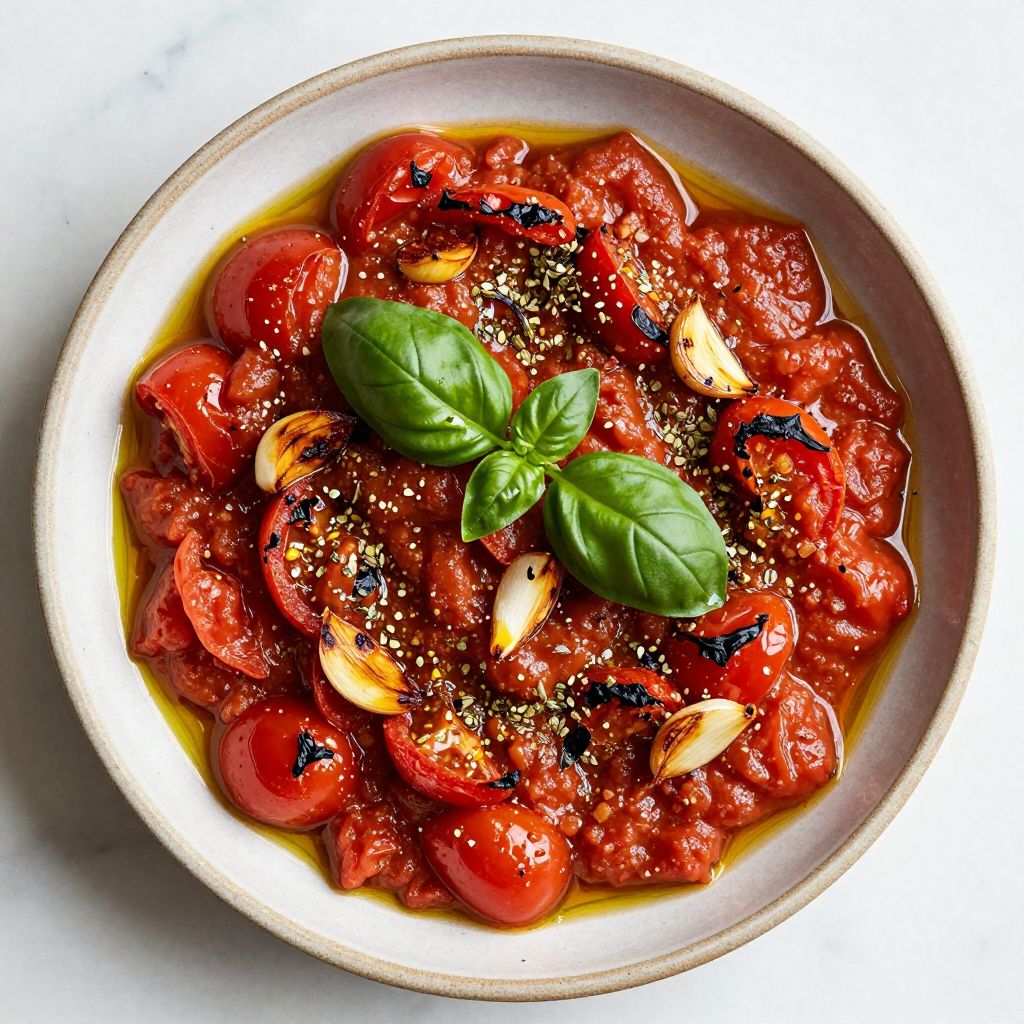
Campfire Sauce
Ingredients
Equipment
Method
- Position your cast iron skillet on a stable grate or tripod over hot coals, not directly in the flames. The goal is moderate, consistent heat rather than intense fire.
- Pour the olive oil into the skillet and let it warm for about 2 minutes until it shimmers.
- Add the minced garlic and stir constantly for 30 to 45 seconds until it becomes fragrant and turns light golden.
- Pour in the chopped fresh tomatoes or canned crushed tomatoes and stir to combine with the garlic and oil.
- Sprinkle in the oregano, basil, red pepper flakes, salt, and black pepper, then stir well to distribute evenly.
- Keep the skillet on the heat and let the sauce simmer for 20 to 25 minutes, stirring occasionally, until the tomatoes break down and the liquid reduces to a thicker consistency.
- Move the skillet slightly closer to the coals for the last 3 to 5 minutes to char the edges and create caramelized spots on the surface.
- Remove the skillet from the heat and stir in the balsamic vinegar. Taste and adjust salt and pepper as needed.
- If using fresh basil, tear it by hand and fold it in gently just before serving.