
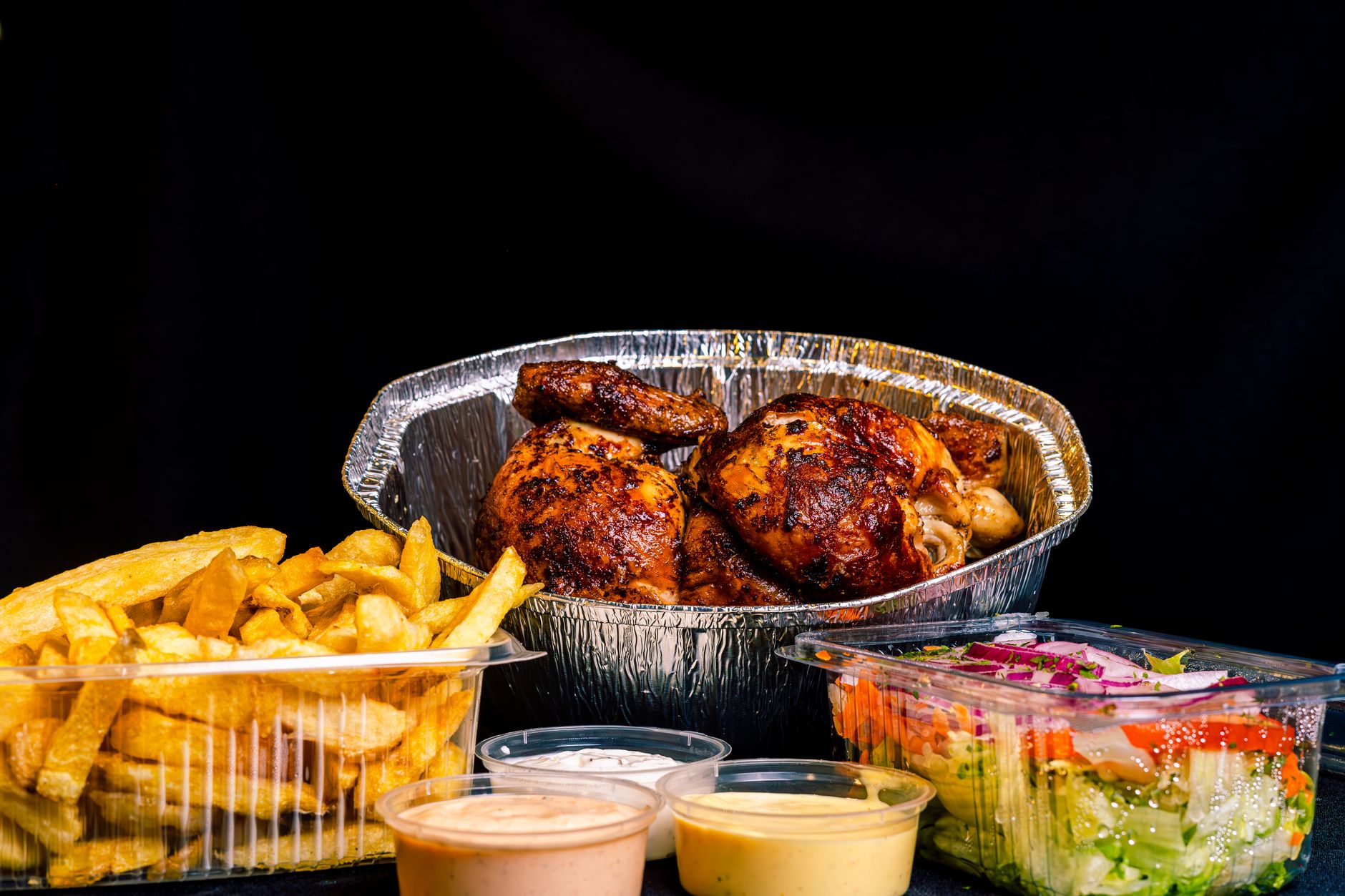
When it comes to quick and convenient meal options, rotisserie chicken often tops the list. But many people question whether this popular dish is processed and what that means for health and nutrition. Understanding the distinctions between fresh and processed foods can help you make informed decisions for your meals.
This article delves into the nature of rotisserie chicken, explores its processing levels, and offers practical uses in the kitchen. From cooking techniques to meal planning, learn how to incorporate rotisserie chicken into your daily menu while considering its nutritional implications.
Is Rotisserie Chicken Processed?
Yes, rotisserie chicken is generally considered processed. While it starts as whole, minimally processed chicken, the cooking, seasoning, and packaging contribute to its status as a processed food. Understanding the extent of this processing can help you navigate your dietary choices.
What is Processed Food?
Processed food refers to any food that has been altered from its natural state through methods like canning, freezing, or baking. The extent of processing can vary widely, with some foods requiring minimal alteration and others containing numerous additives, preservatives, or artificial ingredients.
Process levels can be divided into categories:
- Minimally Processed: Foods like whole fruits, frozen vegetables without added sauces, or roasted nuts.
- Moderately Processed: Foods that have ingredients added for flavor and preservation, like canned tomatoes or yogurt.
- Heavily Processed: Foods that contain little to no whole food ingredients, often found in convenience meals or snacks, such as frozen dinners or packaged snacks.
Rotisserie Chicken: How It’s Made
Rotisserie chicken is typically whole chicken seasoned and cooked through a specialized rotisserie process. Most commonly, this involves the following steps:
- Selection: The chicken is often sourced from poultry farms. This may include fresh chicken that is then cleaned and prepared.
- Seasoning: The chicken is seasoned with various spices, oils, and marinades before cooking. These flavorings can vary significantly among brands.
- Cooking: The chicken is cooked on a rotating spit, which allows it to evenly cook and baste in its own juices.
- Packaging: After cooking, the chicken is typically placed in a heat-retaining container, which may also affect its overall safety and shelf life.
Ingredients in Rotisserie Chicken
The ingredients of rotisserie chicken can include:
- Whole chicken
- Salt
- Spices (like paprika, garlic powder, onion powder, black pepper)
- Oils (such as vegetable or olive oil)
- Additives or preservatives (depending on the manufacturer)
It is essential to read ingredient labels if you have dietary restrictions or preferences, as different brands may use different seasonings or additives.
Nutritional Considerations
Rotisserie chicken can be a nutritious meal option when consumed in moderation, but it is helpful to consider its nutritional content:
- Protein: Rotisserie chicken is an excellent source of protein, essential for muscle repair and growth.
- Fats: Depending on the cooking method and fat content of the chicken, the saturated fat levels can vary. Skin-on chicken typically contains higher fat.
- Sodium: Seasonings, especially those that include salt or brine, can lead to higher sodium levels. Individuals on low-sodium diets should monitor their intake.
- Additives: Be cautious of any preservatives, which can be added to enhance shelf stability.
Health Implications of Processed Chicken
While rotisserie chicken offers convenience, understanding the implications of its processed nature is essential:
- Moderate consumption of processed meats has been linked to higher risks of certain health conditions, such as heart disease and cancer.
- While rotisserie chicken offers fewer carbohydrates compared to fast food or heavily processed meals, balancing your overall diet with fresh ingredients is key.
- Being mindful of sodium intake can help mitigate health risks, especially for individuals with hypertension or heart conditions.
Cooking with Rotisserie Chicken
There are numerous practical uses for rotisserie chicken in the kitchen that can save time and provide delicious meals. Here are some ideas:
1. Chicken Salad
Rotisserie chicken is an excellent base for chicken salad. Mix shredded chicken with mayonnaise, celery, grapes, and nuts for a delightful lunchtime option.
2. Tacos and Burritos
Use shredded rotisserie chicken as a filling for tacos or burritos, adding items such as cheese, beans, salsa, and avocado for a quick dinner.
3. Soups and Stews
Incorporate shredded rotisserie chicken into soups (like chicken noodle) or stews for an easy protein boost and ensuring a hearty meal.
4. Casseroles
Combine rotisserie chicken with vegetables, rice, or pasta to create a quick and hearty casserole. Top with cheese for added flavor.
5. Pizza Topping
Add chopped rotisserie chicken as a topping for homemade pizzas. Pair it with barbecue sauce or classic pizza ingredients like mozzarella and bell peppers.
Meal Planning with Rotisserie Chicken
Meal planning can provide structure to your week and save time in the kitchen. Here’s how to effectively use rotisserie chicken in your planning:
Batch Cooking
When you bring home rotisserie chicken, immediately shred the meat and portion it into containers for easy access throughout the week. This can help you efficiently make multiple meals:
- Day 1: Chicken salad wraps
- Day 2: Chicken tacos
- Day 3: Chicken soup
- Day 4: Chicken and quinoa bowl
- Day 5: BBQ chicken pizza
Using Ingredients Up
Use remaining chicken in combination with various vegetables, grains, or pasta to create diverse and flavorful dishes. This reduces waste and maximizes flavor.
Shopping Guide
When purchasing rotisserie chicken, look for key indicators of quality:
- Avoid chickens that appear dried out or have an excessive amount of grease in the bottom of the container.
- Check for freshness dates; opt for chickens that have the latest expiration dates.
- Consider local grocery stores or farmers’ markets where you may find less processed, higher-quality options.
Storage and Reheating of Rotisserie Chicken
To ensure food safety and retain flavor, proper storage and reheating are crucial. Here are guidelines to follow:
Storage
- Allow the chicken to cool to room temperature before refrigerating.
- Store rotisserie chicken in an airtight container in the refrigerator for no more than three to four days.
- For longer storage, consider freezing chicken portions. Properly stored in airtight packaging, cooked chicken can last for several months.
Reheating
To reheat rotisserie chicken:
- Preheat your oven to 350°F (175°C).
- Place chicken in an oven-safe dish, adding a splash of broth or water to keep it moist.
- Cover with aluminum foil to prevent drying.
- Heat for about 20-30 minutes or until the internal temperature reaches 165°F (74°C), ensuring thorough heating.
Potential Challenges and Solutions
While incorporating rotisserie chicken into meals can be convenient, challenges may arise:
Challenging Flavors
Some may find store-bought rotisserie chicken too salty or flavorful. Consider rinsing the chicken before use to reduce excess seasoning.
Dryness When Reheating
To combat dryness when reheating, avoid overcooking and always add a moisture source, such as broth or water, before covering.
Using Other Parts
Don’t forget about the carcass! You can use it to make chicken stock or broth, extracting every bit of flavor that remains.
Conclusion
Rotisserie chicken can be both a convenient and flexible meal solution. While it is processed to some extent, it offers a healthy source of protein and can be used in a variety of dishes. For those mindful of their diet, reading labels and being conscious of sodium and additives can help you enjoy this versatile food with confidence.
To learn more about storing chicken safely, check out how long chicken is good for in the fridge. Additionally, if you’re curious about cooked chicken’s longevity, visit how long does cooked chicken last for more insights. Explore these resources to enhance your cooking and food knowledge!