
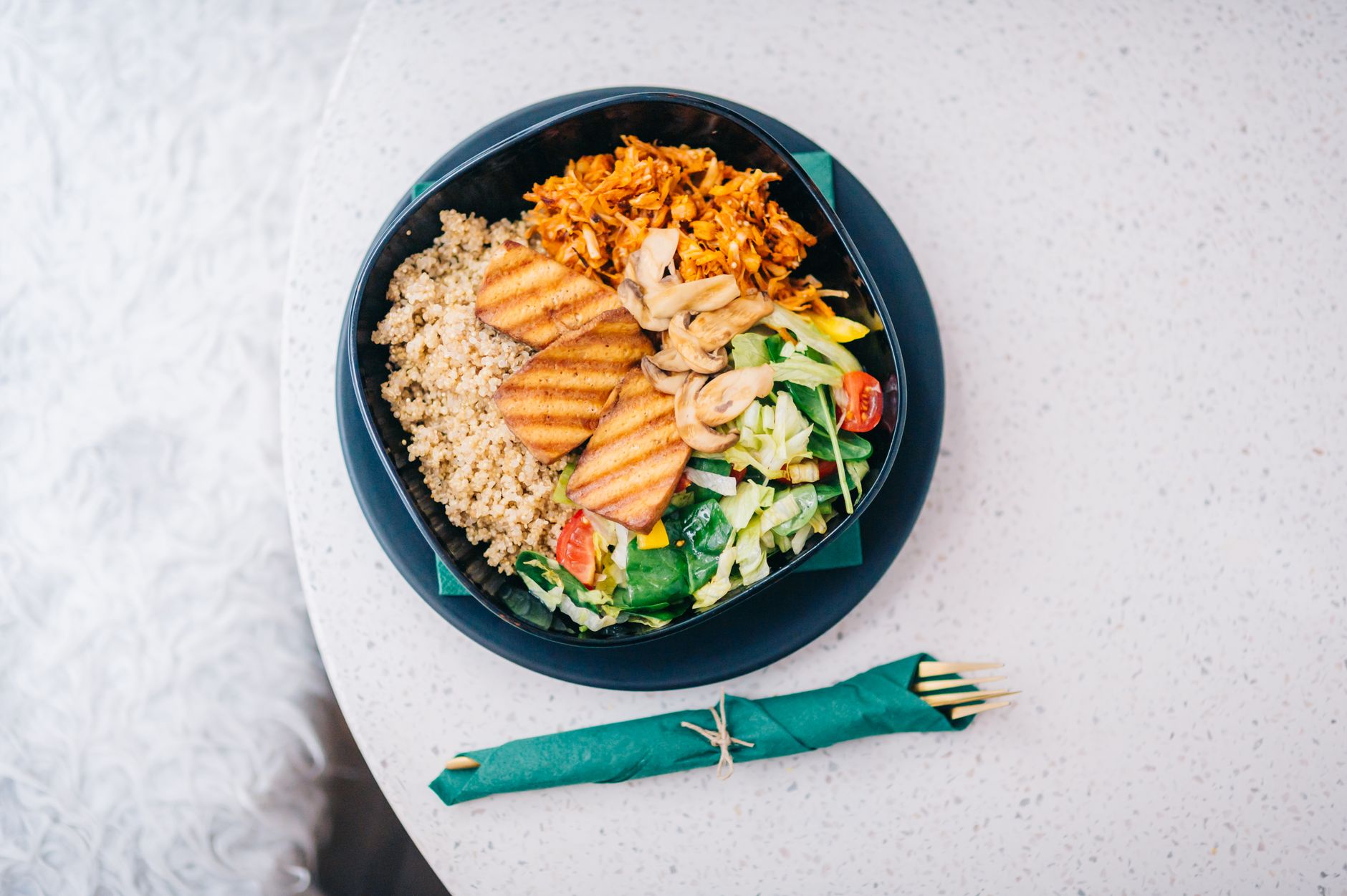
As the trend towards healthier eating grows, many people are exploring the benefits of plant-based proteins. But is plant-based protein better than its animal counterparts? This article delves into the nutritional value, versatility, and serving sizes of various plant-based protein sources, helping you make informed decisions for your dietary preferences.
Plant-based proteins can offer a host of benefits, including lower cholesterol levels, reduced risk of heart disease, and a smaller environmental footprint. In the quest for protein sources, it’s essential to understand how much protein is contained in various servings of these foods and how they stack up against traditional animal proteins.
Is Plant Based Protein Better?
Plant-based protein can be a healthy alternative to animal protein, depending on individual dietary needs and preferences. It tends to be lower in calories and saturated fats, while being rich in fiber, vitamins, and minerals. However, the effectiveness of plant-based protein sources can vary significantly in their complete amino acid profiles when compared to animal sources.
Understanding Plant-Based Protein Sources
Plant-based protein sources can be segmented into several categories, including legumes, grains, nuts, seeds, and various plant-based products. Each category contributes unique nutritional benefits and flavors to meals.
Legumes
Legumes, which include beans, lentils, and peas, are rich in protein and provide a diverse range of flavors. They are also high in fiber, which aids in digestion and improves satiety.
- Black Beans: Approximately 15 grams of protein per cooked cup.
- Lentils: About 18 grams of protein per cooked cup.
- Chickpeas: Roughly 15 grams of protein per cooked cup.
Grains
Whole grains contain protein, albeit less than legumes. They also provide essential nutrients such as B vitamins and fiber.
- Quinoa: Approximately 8 grams of protein per cooked cup.
- Brown Rice: About 5 grams of protein per cooked cup.
- Oats: Roughly 6 grams of protein per cooked cup.
Nuts and Seeds
Nuts and seeds are calorically dense but rich in healthy fats and protein. They make great snacks or can be added to various dishes to boost nutritional value.
- Almonds: About 6 grams of protein per ounce (about 23 almonds).
- Chia Seeds: Approximately 5 grams of protein per ounce (about 2 tablespoons).
- Hemp Seeds: Roughly 10 grams of protein per ounce.
Plant-Based Protein Products
With increasing awareness of plant-based diets, many processed protein products have emerged that serve as vegan alternatives to meat. Examples include tofu, tempeh, and seitan.
- Tofu: Approximately 10 grams of protein per ½ cup.
- Tempeh: About 15 grams of protein per ½ cup.
- Seitan: Roughly 25 grams of protein per 3.5 ounces.
Comparing Plant-Based and Animal Protein
When deciding whether to switch to plant-based proteins, it is important to understand how they measure against animal proteins. Here’s a comparison based on popular sources:
| Protein Source | Protein per Serving Size | Calories per Serving | Key Nutrients |
|---|---|---|---|
| Chicken Breast (3.5 oz) | 31 grams | 165 | Niacin, B6, Phosphorus |
| Lentils (1 cup cooked) | 18 grams | 230 | Iron, Folate, Manganese |
| Salmon (3.5 oz) | 22 grams | 206 | Omega-3, Vitamin D |
| Seitan (3.5 oz) | 25 grams | 120 | Iron, Selenium |
| Firm Tofu (½ cup) | 10 grams | 94 | Calcium, Magnesium |
Protein Quality and Amino Acids
When discussing protein sources, the concept of “complete” versus “incomplete” proteins often arises. Complete proteins contain all nine essential amino acids that your body cannot produce on its own.
Animal proteins are considered complete proteins whereas most plant proteins are viewed as incomplete, meaning they lack one or more essential amino acids. However, certain combinations of plant-based foods can form complete proteins. Examples include:
- Rice and Beans
- Peanut Butter and Whole Grain Bread
- Hummus and Pita
Benefits of Plant-Based Proteins
The shift to plant-based proteins offers numerous benefits, including:
- Heart Health: Lowers cholesterol and blood pressure.
- Weight Management: High fiber content helps with appetite control.
- Environmental Impact: Lower carbon footprint compared to animal husbandry.
- Diverse Nutrient Profile: Rich in vitamins, minerals, and antioxidants.
Potential Drawbacks of Plant-Based Proteins
There are some challenges to consider when opting for plant-based proteins:
- Amino Acid Profile: May need careful planning to ensure all essential amino acids are consumed.
- Digestibility: Some plant proteins can be harder to digest and may lead to bloating or discomfort.
- Iron Absorption: Plant-based iron (non-heme iron) is less readily absorbed than heme iron from animal sources.
How to Incorporate Plant-Based Proteins
Incorporating plant-based proteins into your diet can be easy and delicious. Here are practical tips to help you integrate them into your meals:
- Start Your Day Right: Add chia seeds or almond butter to smoothies and oatmeal.
- Snack Smart: Choose nut-based snacks like almonds or hummus with carrot sticks.
- Versatile Cooking: Use lentils or beans in soups, salads, and stews.
- Meat Replacements: Experiment with tofu or tempeh in stir-fries or sandwiches.
Meal Ideas Featuring Plant-Based Proteins
To inspire you on your journey to include more plant-based protein, here are some meal ideas:
Breakfast
- Overnight oats made with almond milk, topped with chia seeds, and fresh fruit.
- Tofu scramble seasoned with turmeric, peppers, and spinach served with whole-grain toast.
Lunch
- Quinoa salad mixed with black beans, avocado, diced tomatoes, and cilantro.
- Chickpea wrap with hummus, shredded carrots, and lettuce in a whole-grain tortilla.
Dinner
- Stir-fried tempeh with mixed vegetables served over brown rice.
- Lentil curry paired with quinoa and steamed broccoli.
Snacks
- Edamame sprinkled with sea salt.
- Roasted chickpeas seasoned with paprika and garlic powder.
Common Mistakes When Transitioning to Plant-Based Proteins
While adding more plant-based proteins to your diet has numerous benefits, people often encounter a few common pitfalls:
- Relying on Processed Foods: Choosing highly processed plant-based products can undermine health benefits.
- Neglecting Nutritional Diversity: Stick to a well-rounded diet to avoid nutrient deficiencies.
- Ignoring Portion Sizes: Be aware of portion sizes, as some plant-based proteins can be high in calories.
Storage and Preparation
Proper storage techniques can extend the shelf life of your plant-based proteins:
- Dry Pulses and Grains: Store in an airtight container in a cool, dark place.
- Nuts and Seeds: Keep in the refrigerator to prevent rancidity.
- Cooked Legumes: Refrigerate in an airtight container for up to a week and freeze for longer storage.
For optimal flavor, soak dry legumes overnight before cooking, and rinse canned versions before use to reduce sodium content. Proper preparation can also enhance digestibility and nutrient absorption.
Conclusion
Plant-based proteins present a nutritious, versatile option for those looking to diversify their protein sources, enhance overall health, and reduce environmental impact. While they have many advantages, ensuring you consume a well-rounded diet that incorporates various proteins is essential.
Explore related recipes, cooking tips, or food guides, like this Chia Pudding Recipe and our Protein Cookies Recipe.