
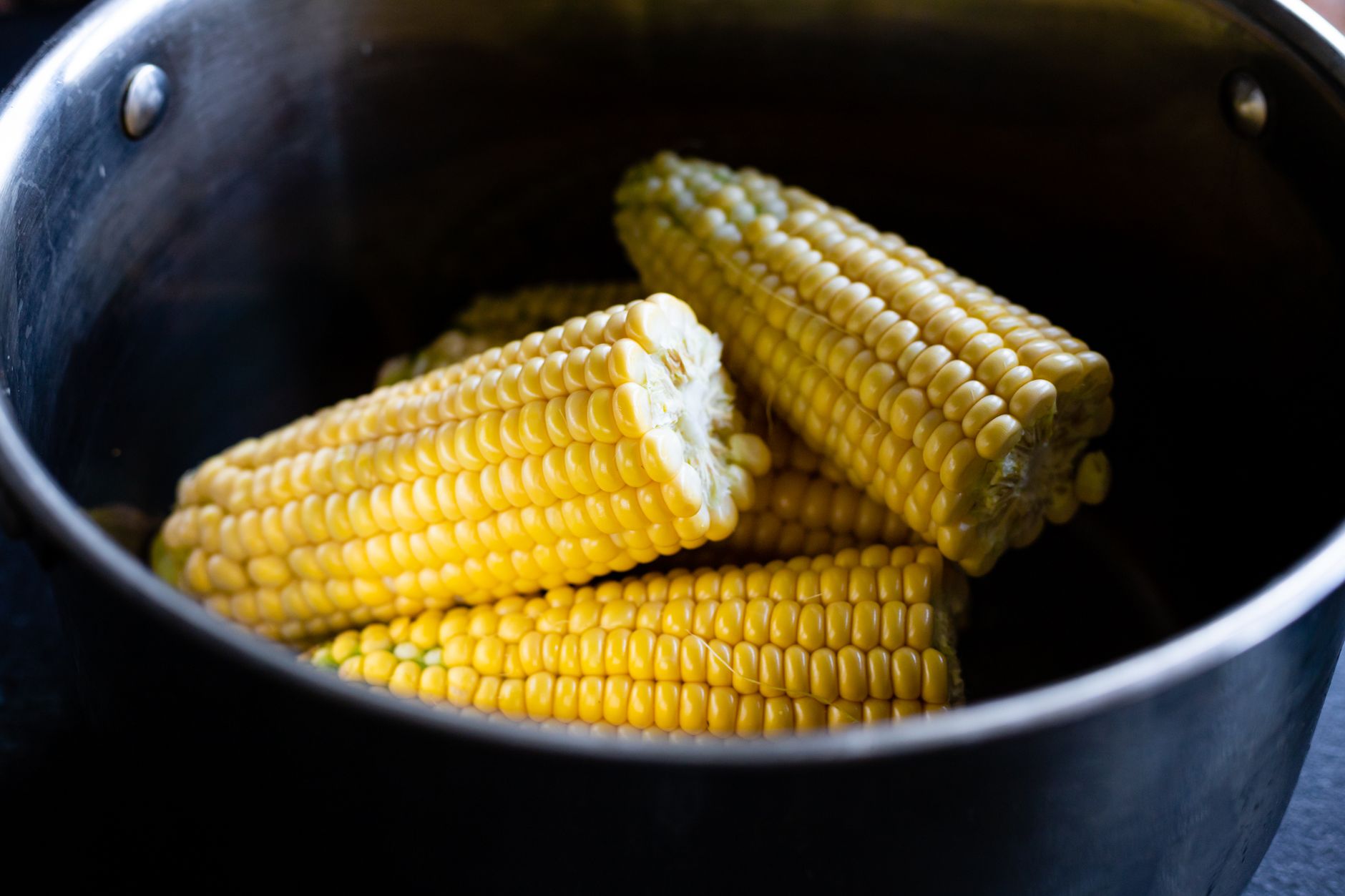
Corn on the cob is a beloved summer staple that brings to mind backyard barbecues, picnics, and vibrant, sun-soaked days. Known for its sweet flavor and tender, juicy kernels, it’s a versatile ingredient that can elevate any meal.
Understanding when corn on the cob is in season can help you make the most of this delightful vegetable, ensuring you enjoy the freshest produce at its peak flavor and quality. This guide will provide insights on the best time to purchase and enjoy corn on the cob, along with shopping tips, preparation techniques, and storage advice.
When Is Corn on the Cob in Season?
Corn on the cob is typically in season during the warm summer months, specifically from June to September, depending on your location. In warmer climates, corn may be available as early as late May. In northern regions, the season might extend into early October, so checking local sources is key to getting the freshest corn.
The Growing Season for Corn
The growing season for corn begins in early spring when the soil temperature reaches around 60°F to 65°F (15°C to 18°C). Corn requires warm temperatures and plenty of sunlight to thrive, with a growing period of about 60 to 100 days depending on the variety. As the season progresses, sweet corn varieties are harvested through July and August, providing peak freshness and sweetness.
Types of Corn and Their Peak Seasons
There are different types of corn, including field corn, sweet corn, popcorn, and flint corn. However, when discussing corn on the cob, we focus primarily on sweet corn, which is harvested for human consumption.
- Sweet Corn: This is the type typically enjoyed on the cob. It is sweetest when freshly picked and is at its best mid-summer.
- Sweet Corn Varieties: Varieties like Silver Queen, Butter and Sugar, and Peaches and Cream are popular for their sweet flavor. They vary in harvest dates, but they generally peak in the summer months.
- Field Corn: This type is usually harvested for grain and is not typically consumed as corn on the cob. Its growing season is similar to sweet corn but is harvested in the early fall for grain production.
- Popcorn: This corn must dry out on the cob before it can pop; it is generally harvested in the fall when the kernels have matured.
Shopping Tips for Fresh Corn on the Cob
To ensure you’re getting the best corn on the cob available, consider the following shopping tips:
- Look for Local Sources: Farmers’ markets often feature the freshest produce as it is harvested daily. Local corn varieties are likely to have a superior taste compared to those shipped from far-off places.
- Check the Husk: When purchasing corn, choose ears with bright green, moist husks. The husks should be tightly wrapped around the cob, and the silk at the top should be golden brown and slightly sticky.
- Inspect the Kernels: Press your fingernail into a kernel to check for juiciness. The kernel should be plump and produce a milky fluid when pierced. Avoid ears with dried or brown tips, which may indicate age.
- Seasonality Matters: Although corn can be found year-round in some areas due to imports, this corn often lacks flavor and texture. Stick to mid-summer for the best quality.
How to Prepare Corn on the Cob
Preparing corn on the cob for cooking is quick and easy. Here’s a simple step-by-step guide:
- Shuck the Corn: Start by removing the husk and silk. Hold the ear firmly and pull the husk downward in one motion. This action should also remove most of the silk.
- Rinse It Off: After shucking, rinse the corn under cold running water to ensure any remaining silk and debris are washed away.
- Trim the Ends: For presentation and ease of cooking, you can trim the ends of the cob if necessary.
Cooking Methods for Corn on the Cob
There are several methods to cook corn on the cob, each yielding delicious results. Here are some popular techniques:
Boiling
This classic method is quick and ensures tender kernels.
- Fill a large pot with water and bring it to a boil.
- Add the shucked corn to the boiling water.
- Boil for 4 to 6 minutes until the kernels are tender. Do not overcook, as this can lead to tough, chewy corn.
- Remove from the water and allow to cool slightly before serving.
Grilling
Grilling corn enhances its natural sweetness and adds a smoky flavor.
- Preheat your grill to medium-high heat.
- Leave the husk on or wrap the shucked corn in aluminum foil to prevent burning.
- Place on the grill and cook for 10 to 15 minutes, turning occasionally, until tender.
- If cooking without foil, check for charring on the kernels.
Baking
Baking is a great option if you’re cooking corn for a crowd.
- Preheat your oven to 350°F (175°C).
- Wrap each ear of corn in foil or place it in a baking dish with a bit of water to create steam.
- Bake for 30 to 35 minutes, turning midway through for even cooking.
Microwaving
This method is quick and convenient, perfect for busy days.
- Place the shucked corn in a microwave-safe dish with a few tablespoons of water. Cover with plastic wrap or a clean kitchen towel.
- Microwave on high for 4 to 5 minutes.
- Let it cool slightly before handling.
Flavoring and Serving Suggestions
Corn on the cob is delicious on its own, but it can also be enhanced with various toppings and seasonings.
- Classic Butter and Salt: A generous smear of butter with a sprinkle of salt is a timeless favorite.
- Spicy Mayo: Mix mayonnaise with lime juice, chili powder, and a pinch of salt for a zesty twist.
- Cheese Toppings: Try sprinkling Parmesan cheese, feta, or crumbled queso fresco over the corn.
- Herbs: Fresh herbs like cilantro, parsley, or chives elevate the dish with a burst of freshness.
Storing Corn on the Cob
Proper storage is essential to maintaining the freshness of corn on the cob.
- Unshucked Corn: Keep corn in the refrigerator in a dry place away from moisture. Consume within a few days for optimal freshness.
- Shucked Corn: If you’ve already removed the husk, wrap each ear in plastic wrap or store in a sealed container. Use within 1 to 2 days.
- Freezing Corn: If you have excess corn, consider freezing it. Blanch the ears in boiling water for 4 minutes, cool in ice water, and then cut the kernels off the cob before freezing in airtight bags.
Common Mistakes When Cooking Corn on the Cob
Even a simple dish like corn on the cob can be spoiled by common mistakes. Here are some pitfalls to avoid:
- Overcooking: Avoid cooking corn for too long, which can lead to mushy kernels. Follow timing guidelines as mentioned above.
- Ignoring Quality: Always choose fresh corn with bright green husks and plump kernels. Stale corn will lack flavor and sweetness.
- Skipping the Soak: If grilling, soaking the corn in water beforehand can help prevent burning and dryness.
Seasonal Recipes with Corn on the Cob
Corn on the cob is incredibly versatile and can be used in a variety of seasonal recipes. Here are a couple of ideas to inspire creativity:
- Grilled Corn Salad: Combine fresh grilled corn with diced tomatoes, avocado, lime juice, and cilantro for a refreshing summer salad.
- Corn Chowder: Use fresh corn to make a hearty chowder, simmering it with potatoes, onions, and cream for a comforting soup.
- Corn Fritters: Create delicious corn fritters by combining fresh corn with flour, eggs, and herbs, then frying them until golden brown.
Seasonal corn on the cob is a refreshing addition to various culinary delights and lends its sweet, crisp texture to countless dishes. Enjoy the peak freshness and flavor during its peak months for a true summer treat. With the right cooking methods, seasonings, and creativity, corn on the cob can star in your meals.
Explore unique recipes that make the most out of this seasonal delight by checking out our corn pone recipe or try your hand at making cornbread with creamed corn for a delightful twist.