
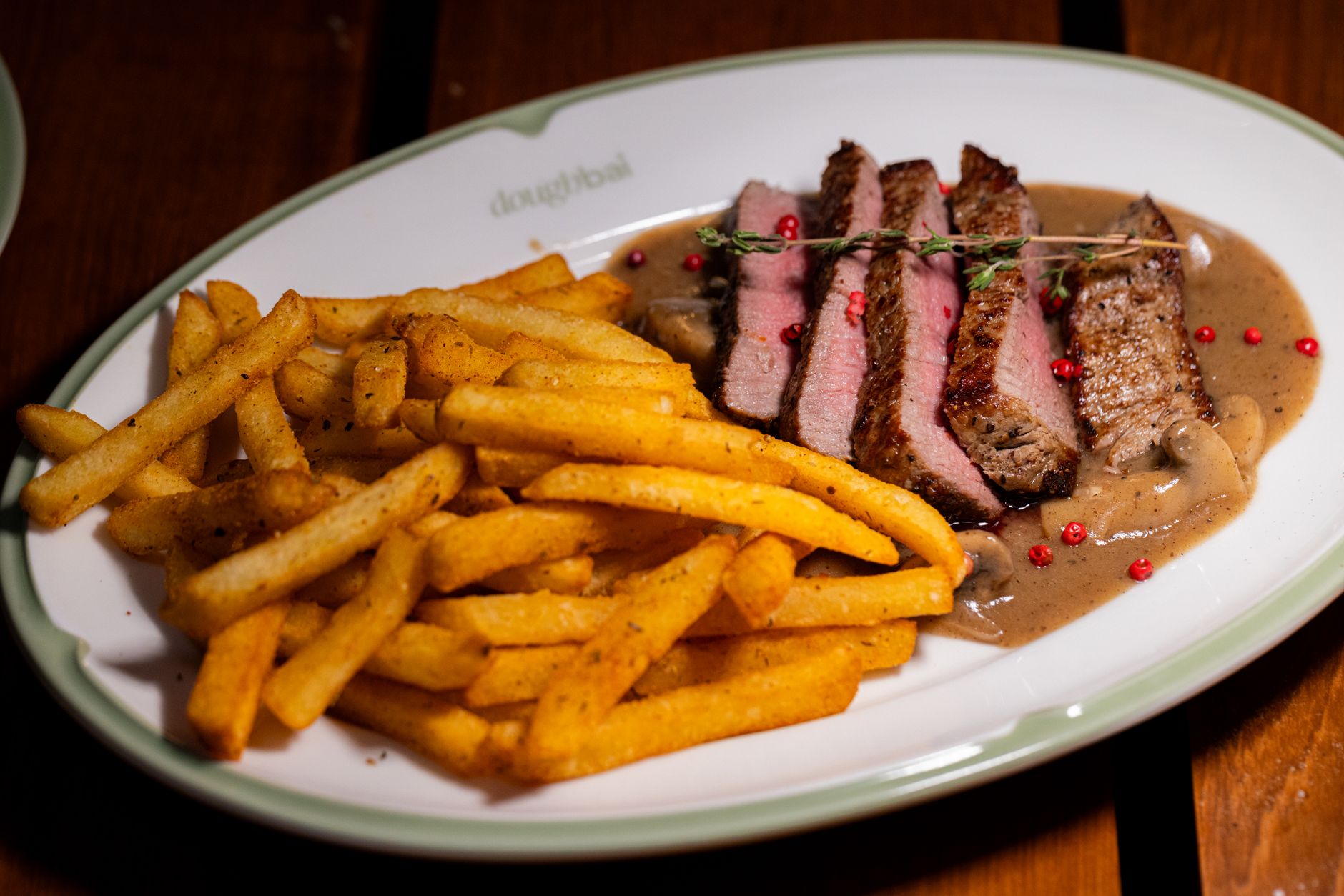
Beef tallow has made a notable comeback in recent years, sparking interest among fast food enthusiasts and health-conscious consumers alike. This rendered form of beef fat is known for its unique flavor profile and high smoke point, making it a desirable cooking fat for frying and more. Many people are curious about which fast food restaurants still use beef tallow in their cooking processes, as it was once a common ingredient in the fast food industry.
In this article, we’ll explore the fast food restaurants that use beef tallow, discuss why tallow was popular in the past, and outline the benefits and potential drawbacks of using beef tallow in cooking. Understanding the rise and fall of this traditional fat in the fast food sector can enhance your appreciation for today’s culinary landscape.
What Fast Food Restaurants Use Beef Tallow?
Several fast food restaurants are known to use or have used beef tallow in their cooking, predominantly for frying purposes. Some notable names that have used beef tallow include:
- McDonald’s: Historically, McDonald’s used beef tallow for frying their famous fries, which contributed to their unique flavor. The restaurant chain transitioned to vegetable oils in the 1990s but has received inquiries about the possibility of returning to tallow due to the distinct taste it imparts.
- Chick-fil-A: While Chick-fil-A uses peanut oil for frying, some sources suggest that the company has experimented with beef tallow for specific limited-time offerings. However, this is not part of their standard cooking method.
- Five Guys: This burger chain is well-known for frying their fries in 100% peanut oil, but they also incorporate beef tallow when cooking their burgers on the grill for a more robust flavor.
- In-N-Out Burger: While primarily using vegetable oil for frying, In-N-Out reportedly has used beef tallow as part of their cooking process for their burgers, contributing to their rich and meaty flavor.
Why Was Beef Tallow Popular in Fast Food?
Beef tallow’s popularity in the fast food industry can be attributed to several key factors:
- Flavor: Beef tallow adds a rich, savory flavor to fried foods that is hard to replicate with vegetable oils. This flavor profile was particularly favored in the early days of fast food.
- High Smoke Point: Tallow has a high smoke point (about 400°F or 204°C) compared to many vegetable oils, making it ideal for deep frying. This characteristic allows for crispy exteriors without burning.
- Crispiness: Foods fried in tallow often have a desirable crispy texture, which contributed to the appeal of items like french fries and onion rings.
Benefits of Cooking with Beef Tallow
Cooking with beef tallow has its advantages, which might attract some fast food chains back to its use. Here are some benefits:
- Nutrient Profile: Tallow contains fat-soluble vitamins such as A, D, E, and K. Additionally, it contains conjugated linoleic acid (CLA), which some studies suggest may have health benefits.
- Healthier Option than Processed Oils: Many commercially available vegetable oils are highly processed and may contain unhealthy trans fats. Beef tallow represents a more natural alternative.
- Stable Fat at High Temperatures: Unlike many vegetable oils, beef tallow remains stable when heated and does not oxidize easily, which may lead to a higher quality fried food.
Potential Drawbacks of Using Beef Tallow
While there are benefits, using beef tallow also comes with some drawbacks to consider:
- Dietary Restrictions: Beef tallow is not suitable for vegetarians, vegans, or those following specific dietary restrictions. This could limit customer base for fast food restaurants.
- Health Concerns: Some health groups warn against consuming excessive saturated fats, although moderate use may not pose significant health risks for most individuals.
- Regulatory Changes: The regulations around food preparation and labeling can be complex, and integrating tallow could pose challenges for fast food chains focused on transparency.
The Contemporary Context of Tallow in Fast Food
As the trend toward natural and minimally processed foods gains traction, some fast food restaurants are re-evaluating their cooking oils. In particular, a renewed interest in traditional fats, such as beef tallow, has emerged:
- Artisanal and Gourmet Lines: Some fast food brands are beginning to offer upscale or artisanal dishes that might utilize beef tallow to enhance the flavor profile of their offerings.
- Health Trends: The popularity of diets that embrace high-fat, low-carb lifestyles may encourage restaurants to reconsider their frying methods and adopt beef tallow.
- Consumer Interest: There is an increasing consumer curiosity about the origins of food and cooking methods, potentially giving restaurants more incentive to highlight traditional cooking fats like tallow.
Cooking with Beef Tallow at Home
If you are inspired to use beef tallow in your own kitchen, you can easily obtain it and use it for various cooking methods. Here are some tips:
How to Render Beef Tallow
You can render your own beef tallow from suet (the fat surrounding the kidneys) or purchase it from a butcher. Here’s a simplified method to render tallow:
- Cube the Fat: Cut the suet or fat into small pieces to ensure even melting.
- Heat Slowly: Place the fat cubes in a slow cooker or heavy-bottomed pot over low heat (around 200°F or 93°C). Allow it to melt for several hours.
- Strain: Once fully melted, strain the liquid through a fine mesh strainer or cheesecloth to remove any solid bits.
- Cool and Store: Pour the liquid tallow into a glass jar and allow it to cool slowly. Once completely cool, it can be stored in the refrigerator for several weeks or frozen for longer storage.
Cooking Techniques with Beef Tallow
Beef tallow can be utilized in various cooking techniques:
- Frying: Use it as a frying oil for crispy potatoes, chicken, or other frying applications.
- Sautéing: Sauté vegetables or proteins in tallow for added flavor and richness.
- Baking: Substitute tallow for butter or margarine in certain recipes, especially savory baked goods like biscuits or pie crusts.
Common Questions about Beef Tallow in Fast Food
Is beef tallow making a comeback in fast food chains?
While there is increased interest in traditional fats, very few large fast food chains are officially transitioning back to beef tallow as a standard cooking fat. Most chains are still relying primarily on vegetable oils.
Can beef tallow be vegan-friendly?
No, beef tallow is derived from animal fat, making it unsuitable for vegan diets and others avoiding animal products.
What is the best way to store rendered beef tallow?
Beef tallow should be stored in a cool, dark place or in the refrigerator for optimal stability. It can also be frozen to extend its shelf life.
Conclusion
The use of beef tallow in fast food restaurants reflects a fascinating aspect of culinary evolution. While many restaurants have moved away from traditional fats due to health trends and dietary preferences, the distinctive flavor of tallow remains a cherished attribute in some eateries and cuisines.
If you’re intrigued by cooking, consider incorporating beef tallow into your own recipes for frying and sautéing. This high-temperature cooking fat might remind you of the nostalgic experience of classic fast food flavors.
To discover more about food storage and handling, check out how long ground beef is good for in the fridge or learn what oil Chick-fil-A uses for frying. These guides will provide you valuable insights into modern food practices.