
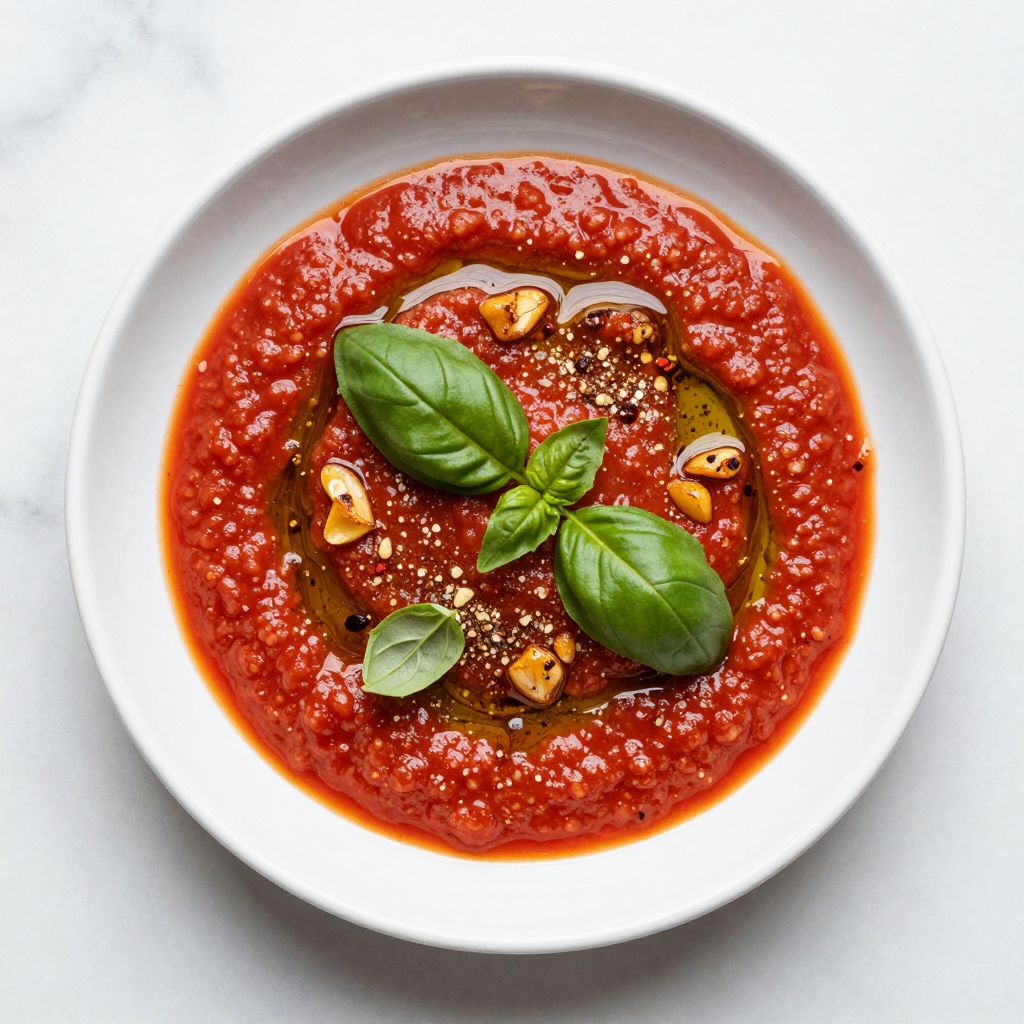
There’s something almost magical about the smell of fresh tomatoes simmering with garlic and basil wafting through your kitchen on a quiet afternoon. Pomodoro sauce is the kind of recipe that proves simplicity doesn’t mean boring, and it’s the secret weapon every home cook should have in their arsenal.
This classic Italian sauce comes together in under 30 minutes, yet tastes like you’ve been tending to it all day. The beauty of pomodoro lies in its purity, letting just four or five quality ingredients speak for themselves, with no cream or complicated techniques to hide behind.
Whether you’re feeding a hungry family on a weeknight or impressing guests with an elegant dinner, this sauce adapts beautifully to pasta, pizza, soup, or even bread dipping. By the end of this guide, you’ll understand exactly why Italian cooks have trusted this recipe for generations.
Why You’ll Love This Recipe
Pomodoro sauce checks every box for a recipe worth learning. It’s fast, forgiving, and produces restaurant-quality results with minimal fuss.
- Ready in under 30 minutes from start to finish
- Uses just five simple ingredients with no hard-to-find items
- Works beautifully with canned or fresh tomatoes depending on the season
- Freezes perfectly for busy weeks ahead
- Pairs with pasta, pizza, bread, or even roasted vegetables
My Experience Making This Recipe
I first made pomodoro sauce in my tiny apartment kitchen after watching an older Italian woman at the farmer’s market dismiss every fancy tomato sauce jar in my hands. She told me the only sauce worth making was the simplest one, and I’ve been obsessed ever since.
The first time I made it, I kept waiting for something to go wrong or for me to need a secret step. What surprised me most was how the flavors deepened as the sauce simmered, with the tomatoes breaking down into this silky, concentrated goodness that tasted nothing like the ingredients suggested it could.
My dinner guests that night asked for the recipe three times, and one friend actually brought me fancy tomatoes the next week just to make it again at my place. That’s when I knew this wasn’t just any sauce, it was a keeper.
Recipe Overview
- Recipe Name: Pomodoro Sauce
- Servings: 4 to 6
- Prep Time: 10 minutes
- Cook Time: 20 minutes
- Total Time: 30 minutes
- Course: Sauce
- Cuisine: Italian
- Calories per Serving: 85
Equipment You Will Need
- Large saucepan or Dutch oven
- Wooden spoon for stirring
- Cutting board
- Chef’s knife
- Garlic press or mincer (optional but helpful)
- Measuring spoons
- Can opener if using canned tomatoes
Ingredients for Pomodoro Sauce
- 2 tablespoons extra virgin olive oil
- 4 cloves garlic, minced or thinly sliced
- 1 can (28 ounces) crushed tomatoes or 2 pounds fresh tomatoes, roughly chopped
- 1/4 teaspoon red pepper flakes, optional but recommended
- Salt and black pepper to taste
- 8 to 10 fresh basil leaves
Ingredient Notes and Substitutions
- Extra virgin olive oil carries the flavor profile of this sauce, so quality matters here more than anywhere else. You can use regular olive oil if needed, but the sauce will lose some of its depth and peppery finish.
- Fresh garlic creates that sharp, aromatic backbone that pomodoro needs. Garlic powder won’t deliver the same punch and tends to taste flat by comparison.
- Crushed canned tomatoes work year-round and often taste better than mediocre fresh ones. San Marzano varieties are prized for their sweetness, but any quality crushed tomato works beautifully in a pinch.
- Red pepper flakes add warmth and subtle heat that rounds out the flavors. Leave them out if you prefer a mellow sauce, or add more if you enjoy spice.
- Fresh basil should go in at the end to preserve its bright flavor and color. Dried basil can replace fresh, but use only one teaspoon since it’s more concentrated, and add it earlier in cooking.
How to Make Pomodoro Sauce
Step 1: Prep Your Ingredients
Mince your garlic cloves finely or slice them thin, depending on your preference. Thin slices create small pockets of flavor throughout the sauce, while minced garlic distributes more evenly.
Step 2: Heat the Olive Oil
Pour the olive oil into a large saucepan over medium heat and let it warm for about one minute. You want the oil hot enough that it shimmers and smells fragrant, but not so hot that it starts to smoke.
Step 3: Toast the Garlic
Add the minced garlic to the hot oil and stir constantly for about 30 seconds to one minute until it becomes fragrant and turns light golden. This blooming step releases the garlic’s essential oils and builds flavor, but watch carefully since burnt garlic tastes bitter.
Step 4: Add the Red Pepper Flakes
If using red pepper flakes, add them right after the garlic and stir for another 15 seconds. This infuses the oil with their heat so the flavor spreads throughout the sauce instead of concentrating in random bites.
Step 5: Pour In the Tomatoes
Add your crushed tomatoes (or chopped fresh tomatoes) to the fragrant oil and stir well to combine. The mixture will bubble and hiss as the cool tomatoes hit the hot pan, which is exactly what you want.
Step 6: Bring to a Simmer
Increase the heat slightly and bring the sauce to a gentle simmer, which should take about two minutes. A proper simmer shows tiny bubbles breaking the surface continuously, not a rolling boil that splatters tomato juice everywhere.
Step 7: Simmer and Reduce
Lower the heat to medium-low and let the sauce simmer gently for 15 to 20 minutes, stirring occasionally. During this time, the tomatoes break down, the flavors meld, and the sauce thickens slightly as liquid evaporates.
Step 8: Season to Taste
Taste the sauce and add salt and black pepper gradually, tasting between additions. Start with a quarter teaspoon of salt and adjust from there, since you can always add more but can’t take it out.
Step 9: Add Fresh Basil
Tear the fresh basil leaves by hand and stir them into the sauce just before serving. Fresh basil added at the end keeps its bright green color and vibrant flavor, rather than turning dark and dull if cooked longer.
Pro Tip: The best pomodoro sauce uses only five ingredients, so invest in quality ones. Buy San Marzano canned tomatoes if your budget allows, as their natural sweetness reduces the need for added sugar.
Tips for the Best Pomodoro Sauce
- Don’t rush the garlic toasting step. Those 30 seconds to one minute transforms raw garlic bite into something smooth and sweet that anchors the entire sauce.
- Use a wooden spoon to stir, as it won’t conduct heat and stays cool in your hand, plus it won’t scratch your pan. Metal spoons can damage certain cookware and feel uncomfortably hot.
- Taste the sauce multiple times during cooking and adjust seasonings as you go. Salt brings out tomato flavor and mellows any acidic bite, so don’t skip this step.
- If your sauce tastes acidic or sharp, add a tiny pinch of sugar (one quarter teaspoon) and stir. This doesn’t make the sauce sweet, it balances the acidity in tomatoes.
- Keep the heat low to medium-low during simmering so the sauce reduces gently and flavors concentrate. High heat causes harsh flavors and can scorch the bottom.
- Reserve some pasta water before draining, as adding a splash to your finished sauce loosens it and helps it cling to noodles beautifully.
Common Mistakes to Avoid
- Burning the garlic by cooking it too fast or too long. Burnt garlic tastes acrid and bitter, and there’s no fixing it, so start over if this happens.
- Skipping the simmering time in hopes of a quicker sauce. Those 15 to 20 minutes allow tomato flavors to deepen and concentrate, creating that restaurant quality taste.
- Adding too much salt before tasting. This is the most common seasoning mistake, and over-salted sauce can’t be corrected, so add gradually and taste constantly.
- Using jarred minced garlic instead of fresh cloves. Pre-minced garlic tastes stale and chemical compared to fresh garlic sliced right before cooking.
- Cooking the basil for more than a minute or two. Extended cooking turns basil dark and bitter, stealing its fresh, peppery character from the finished dish.
Serving Suggestions
Pomodoro sauce belongs on more than just pasta, though that’s certainly where it shines brightest. Use it anywhere you want bold tomato flavor without cream or heaviness.
- Tossed with fresh pappardelle or spaghetti and topped with fresh basil and shaved Parmesan
- Spread on pizza dough as a base before adding cheese and toppings
- Spooned over creamy burrata cheese with crusty bread for dipping
- Used as a dipping sauce for crusty garlic bread or breadsticks
- Ladled over roasted vegetables like zucchini, eggplant, or bell peppers
Variations to Try
- Add a splash of white wine after toasting the garlic, letting it simmer for one minute before adding tomatoes. This adds subtle complexity and acidity that rounds out the sauce beautifully.
- Stir in fresh cream or a splash of half-and-half at the end for a lighter version of pink sauce. This transforms pomodoro into something richer while keeping it from becoming heavy.
- Include fresh diced mozzarella or torn burrata stirred in just before serving. The warm sauce slightly melts the cheese, creating creamy pockets throughout.
- Add roasted red peppers blended into the sauce for sweetness and a slight smoky note. Roast your own or use jarred peppers packed in oil for convenience.
- Infuse with fresh lemon zest at the end for brightness and acidity that cuts through richness. A half teaspoon adds subtle flavor without making the sauce taste lemony.
Dietary Adaptations
- Gluten-free: Serve the sauce with gluten-free pasta or over vegetables and proteins, as the sauce itself contains no gluten by nature.
- Dairy-free: The recipe as written contains no dairy, so enjoy it as-is or skip any cheese toppings you’d normally add.
- Vegan: This sauce is naturally vegan since it contains only vegetables and olive oil, making it perfect for plant-based diets.
- Low-carb or keto: Serve over zucchini noodles or spaghetti squash instead of traditional pasta to keep carbs minimal while enjoying the sauce.
Storage and Reheating
Refrigerator
Store leftover pomodoro sauce in an airtight container where it keeps for three to four days. The flavors actually deepen slightly as it sits, making day-old sauce sometimes taste even better than fresh.
- Let the sauce cool completely before covering to prevent condensation buildup
- Store in shallow containers for faster cooling and easier reheating
Freezer
Freeze pomodoro sauce in airtight containers or freezer bags for up to three months. Flat freezer bags stack neatly and thaw faster than containers.
- Leave a quarter-inch of headspace in containers since sauce expands slightly when frozen
- Label with the date so you know when you made it
Reheating
Reheat gently over medium-low heat, stirring occasionally and adding a splash of water if needed to loosen the sauce. This prevents the flavors from becoming harsh or burnt tasting.
- Thaw frozen sauce in the refrigerator overnight before reheating
- Add fresh basil after reheating to restore brightness lost during freezing
Nutrition Information
| Nutrient | Amount |
|---|---|
| Calories | 85 |
| Total Fat | 7g |
| Saturated Fat | 1g |
| Carbohydrates | 6g |
| Fiber | 1g |
| Sugar | 4g |
| Protein | 2g |
| Sodium | 320mg |
| Cholesterol | 0mg |
These values are approximate and based on serving six people from a single batch. Values may vary depending on your specific ingredients and brand choices.
Frequently Asked Questions
Can I use fresh tomatoes instead of canned?
Absolutely, use about two pounds of fresh tomatoes roughly chopped when they’re in season and at their peak. Canned tomatoes work year-round and often taste more consistent, but fresh tomatoes in summer create something special.
Should I add sugar to balance acidity?
Start with a quarter teaspoon and taste before adding more, as quality tomatoes shouldn’t need sugar. Only add sugar if the sauce tastes sharp or acidic after tasting.
How long does pomodoro sauce keep in the freezer?
Properly stored in an airtight container, it keeps for up to three months without losing much quality. Freezer burn can affect flavor after that point, so use it within this window for best results.
Can I make this sauce ahead of time?
Yes, make it up to four days ahead and refrigerate, or freeze it for longer storage. Reheat gently and add fresh basil just before serving to restore brightness.
What’s the difference between pomodoro and marinara sauce?
Pomodoro uses only tomatoes, garlic, oil, and basil in a quick simmer, while marinara often includes onions, oregano, and sometimes cream or meat. Pomodoro is the simpler, purer version that lets each ingredient shine.
Why does my sauce taste acidic even after cooking?
Tomatoes naturally contain acid that mellows with longer simmering and proper seasoning. Add a tiny pinch of sugar, increase salt slightly, or simmer a few minutes longer to balance the acid.
Can I add vegetables to pomodoro sauce?
You can, though traditional pomodoro stays simple and pure. If you want to add vegetables, cook softer ones like zucchini toward the end so they don’t break down into mush.
Final Thoughts
Learning to make pomodoro sauce opens a door to one of cooking’s most fundamental pleasures. This recipe teaches you that good food doesn’t require fancy techniques or long ingredient lists, just quality ingredients treated with care and respect.
Make this sauce this week, taste how simple ingredients transform into something magnificent, and keep it in your regular rotation. Once you’ve mastered pomodoro, you’ll find yourself reaching for it again and again, knowing it will never disappoint.
Pomodoro Sauce
Ingredients
Equipment
Method
- Mince your garlic cloves finely or slice them thin, depending on your preference.
- Pour the olive oil into a large saucepan over medium heat and let it warm for about 1 minute until it shimmers and smells fragrant, but not smoking.
- Add the minced garlic to the hot oil and stir constantly for about 30 seconds to 1 minute until it becomes fragrant and turns light golden. Watch carefully since burnt garlic tastes bitter.
- If using red pepper flakes, add them right after the garlic and stir for another 15 seconds to infuse the oil with their heat.
- Add your crushed tomatoes (or chopped fresh tomatoes) to the fragrant oil and stir well to combine. The mixture will bubble and hiss as the cool tomatoes hit the hot pan.
- Increase the heat slightly and bring the sauce to a gentle simmer, which should take about 2 minutes. A proper simmer shows tiny bubbles breaking the surface continuously.
- Lower the heat to medium-low and let the sauce simmer gently for 15 to 20 minutes, stirring occasionally, until the tomatoes break down, the flavors meld, and the sauce thickens slightly.
- Taste the sauce and add salt and black pepper gradually, tasting between additions. Start with a quarter teaspoon of salt and adjust from there.
- Tear the fresh basil leaves by hand and stir them into the sauce just before serving to keep their bright green color and vibrant flavor.