
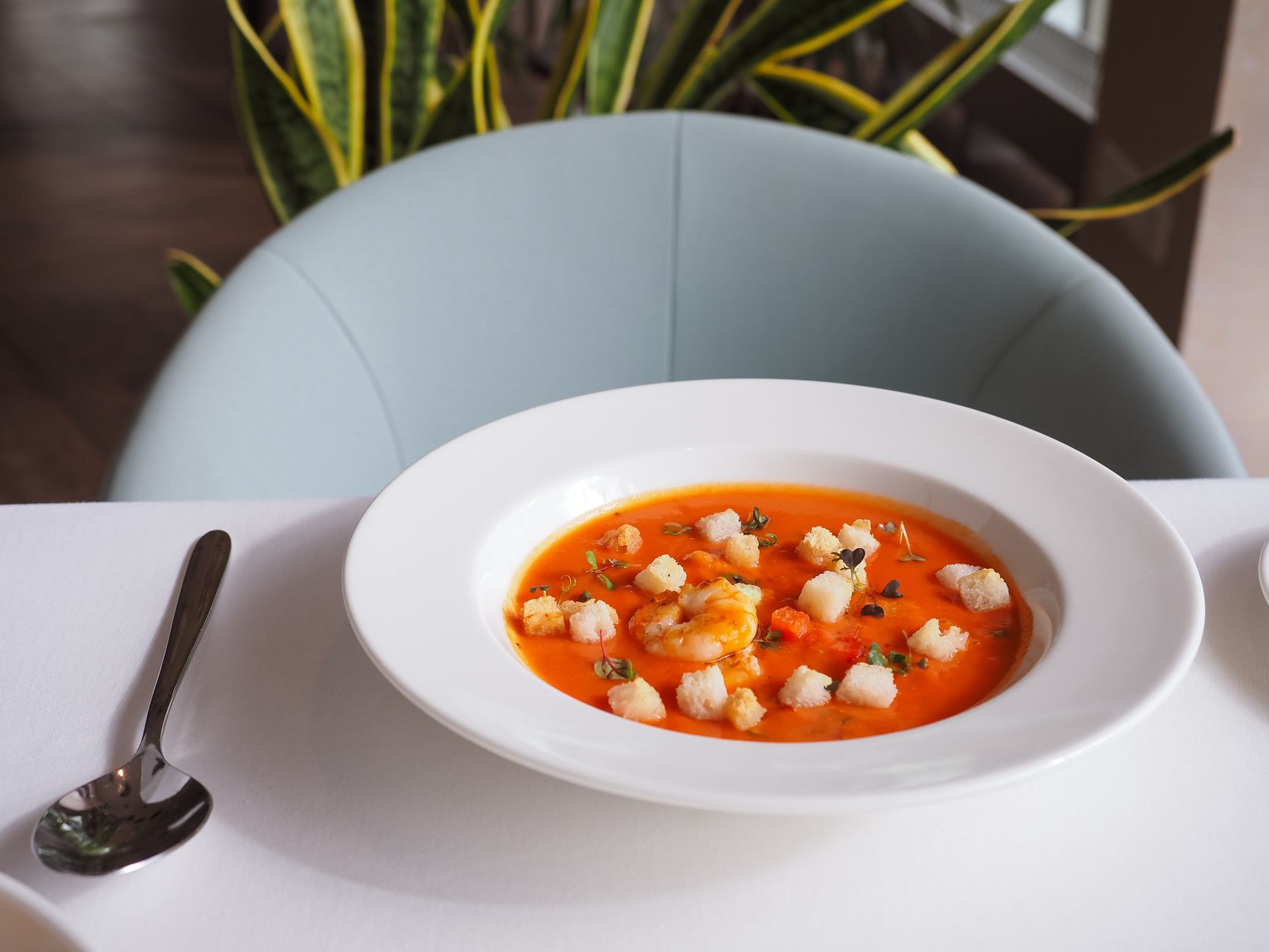
Sopas, a Spanish word meaning “soup,” commonly refers to a variety of hearty soups popular in different cultures, especially in Latin American cuisines. The term can describe many dishes, each with unique flavors and ingredients, but they generally feature a warm broth, protein, and vegetables. This article details what sopas are, their ingredients, flavors, and various ways to serve them.
Understanding sopas allows food enthusiasts to appreciate the rich culinary traditions behind these dishes while guiding home cooks in making various sopas that suit their tastes. Whether you are looking to warm up on a chilly day or savor a comforting bowl, sopas offer endless possibilities.
What Are Sopas?
Sopas are hearty soups enjoyed in many cultures, particularly in Latin America. They can vary significantly in ingredients, preparation, and presentation, but they typically consist of a rich broth, vegetables, and protein. Often served as a main course, sopas are beloved for their ability to comfort and nourish.
Ingredients Commonly Found in Sopas
The ingredients used in sopas can vary widely by region, family, and personal preference. Here are some common components:
- Broth: The base of any sopa, broth can be made from beef, chicken, pork, or vegetables, depending on the desired flavor profile.
- Proteins: Common proteins include shredded chicken, beef chunks, pork, or beans for a vegetarian option.
- Vegetables: Ingredients such as potatoes, carrots, carrots, cabbage, corn, and green beans add nutrition and texture.
- Seasonings: Garlic, onions, cilantro, lime juice, and various spices are frequently used to enhance flavors.
- Pasta or Rice: Some sopas include small pasta or rice for heartiness and texture.
Flavor Profiles of Sopas
The flavor of sopas largely depends on its ingredients and preparation method. Here are common flavor profiles to note:
- Herbaceous: Fresh herbs like cilantro and parsley often contribute bright, fresh flavors.
- Savory: Broths made from meats or a combination of bones and vegetables deliver a rich, savory taste.
- Spicy: Depending on regional variations, sopas can have added heat from spices or chilies.
- Citrusy: Many sopas are finished with lime juice, which brightens the overall flavor.
Types of Sopas
There are several popular types of sopas across different cultures, each with distinct flavors and ingredients. Here are a few notable examples:
Caldo de Pollo (Chicken Soup)
A classic in many Latin American households, caldo de pollo features chicken simmered with potatoes, carrots, corn, and spices. It’s often served with lime wedges and fresh cilantro for added flavor.
Sopa de Fideo (Noodle Soup)
Sopa de fideo is a Mexican noodle soup made with thin vermicelli noodles, tomatoes, and chicken or beef broth. It is a comforting dish often enjoyed by families.
Sopa de Lima (Lime Soup)
This Yucatecan specialty is known for its zesty flavor. It consists of chicken broth enhanced with lime juice, shredded chicken, crispy tortilla strips, and fresh herbs.
Menudo
A traditional Mexican soup made with beef tripe, menudo is often seasoned with hominy, garlic, and red chili. It is considered a festive dish, often served during celebrations.
Asopao
A Puerto Rican dish, asopao is a thick, hearty rice soup typically made with shrimp or chicken. It is characterized by its rich broth and comforting texture.
How to Serve Sopas
Sopas can be served in various ways, depending on the dish and occasion. Here are some practical serving suggestions:
- Garnishes: Enhance flavors by adding garnishes such as chopped cilantro, diced avocado, fresh lime wedges, or crumbled cheese.
- Accompaniments: Sopas can be enjoyed with crusty bread, tortillas, or even rice, depending on the type of soup.
- Bowl Choices: Use deep, wide bowls for serving to allow for ample broth and easy access to ingredients.
- Temperature: Serve sopas hot to maximize comfort, but allow the soup to cool slightly before serving to prevent burns.
How to Make Your Own Sopas
Creating your own sopas can be a fun and rewarding cooking experience. Here’s a basic method to help you in making a delicious sopa:
Essential Equipment
- Large pot or Dutch oven
- Cutting board and chef’s knife
- Wooden spoon or ladle
- Measuring cups and spoons
- Serving bowls
Basic Ingredients for a Hearty Sopa
- 1 pound of chicken, beef, or pork (cut into chunks or shredded)
- 1 medium onion, diced
- 2-3 cloves of garlic, minced
- 3-4 cups of broth (chicken, beef, or vegetable)
- 2 cups of vegetables (such as carrots, potatoes, or green beans)
- 1-2 cups of cooked pasta or rice (optional)
- Salt and pepper, to taste
- Fresh herbs for garnish
Step-by-Step Method
- Heat a large pot over medium heat and add the diced onion. Sauté until translucent, about 5 minutes.
- Add minced garlic and sauté for another minute until fragrant.
- Add your choice of meat to the pot, browning it on all sides.
- Pour in the broth and bring to a boil. Reduce heat to low and simmer for 20-30 minutes.
- Add the vegetables and continue to simmer until tender, about 15-20 minutes.
- If using pasta or rice, add them during the last few minutes of cooking.
- Season with salt and pepper to taste. Remove from heat.
- Serve hot, garnished with fresh herbs like cilantro or parsley.
Practical Substitutions and Variations
When making sopas, consider using the following substitutions to suit dietary preferences or utilize available ingredients:
- Proteins: Substitute chicken with turkey, beef with beans or lentils for a vegetarian option, or fish for a lighter fare.
- Broths: Use homemade broth for a richer flavor or vegetable broth for a vegan alternative.
- Vegetables: Feel free to use seasonal vegetables or whatever you have on hand; root vegetables work well in hearts soups.
- Spices and Herbs: Play with flavors by using spices like cumin, bay leaves, or herbs like oregano for different backgrounds.
Common Mistakes and Troubleshooting
When preparing sopas, it’s essential to avoid common pitfalls that can affect the final dish. Here are some helpful tips:
- Overcooking Vegetables: Ensure you add vegetables in stages; hearty ones can go in first, while delicate ones should go in last to maintain texture.
- Undersalting: Taste as you go, adjusting salt and seasoning incrementally to enhance flavors.
- Boiling vs. Simmering: After adding broth, bring it to a boil and then lower to a gentle simmer for best results.
- Ingredient Proportions: Be mindful of the balance between broth, protein, and vegetables for a well-rounded dish.
Storing and Reheating Sopas
To maximize the lifespan of your sopas, follow these storage and reheating guidelines:
- Storing: Allow the soup to cool completely, then transfer it to an airtight container. It can be stored in the refrigerator for 3-4 days.
- Freezing: Sopas can be frozen for up to three months. Leave out pasta or rice before freezing, as they may become mushy upon thawing.
- Reheating: When reheating, warm the soup in a pot over low to medium heat until heated through. Add extra broth or water if it has thickened too much.
Final Thoughts on Sopas
Sopas represent a wonderful blend of cultures, ingredients, and comfort. They serve not only as a nourishing meal but also as a means to bring families together around the dining table. Experimenting with flavors, textures, and ingredients will allow you to create your favorite variations, making sopas versatile and enjoyable.
Whether you choose to try classic recipes like caldo de pollo or get creative with your ingredients, sopas offer a canvas for culinary exploration. Start with a basic recipe, and elevate it according to your preferences, while always adding a touch of love and tradition.
For those looking to explore further, consider checking out our recipes for Pozole Verde and Bun Bo Hue. Each dish brings its unique flair and tasty ingredients that complement the comforting essence of sopas.