
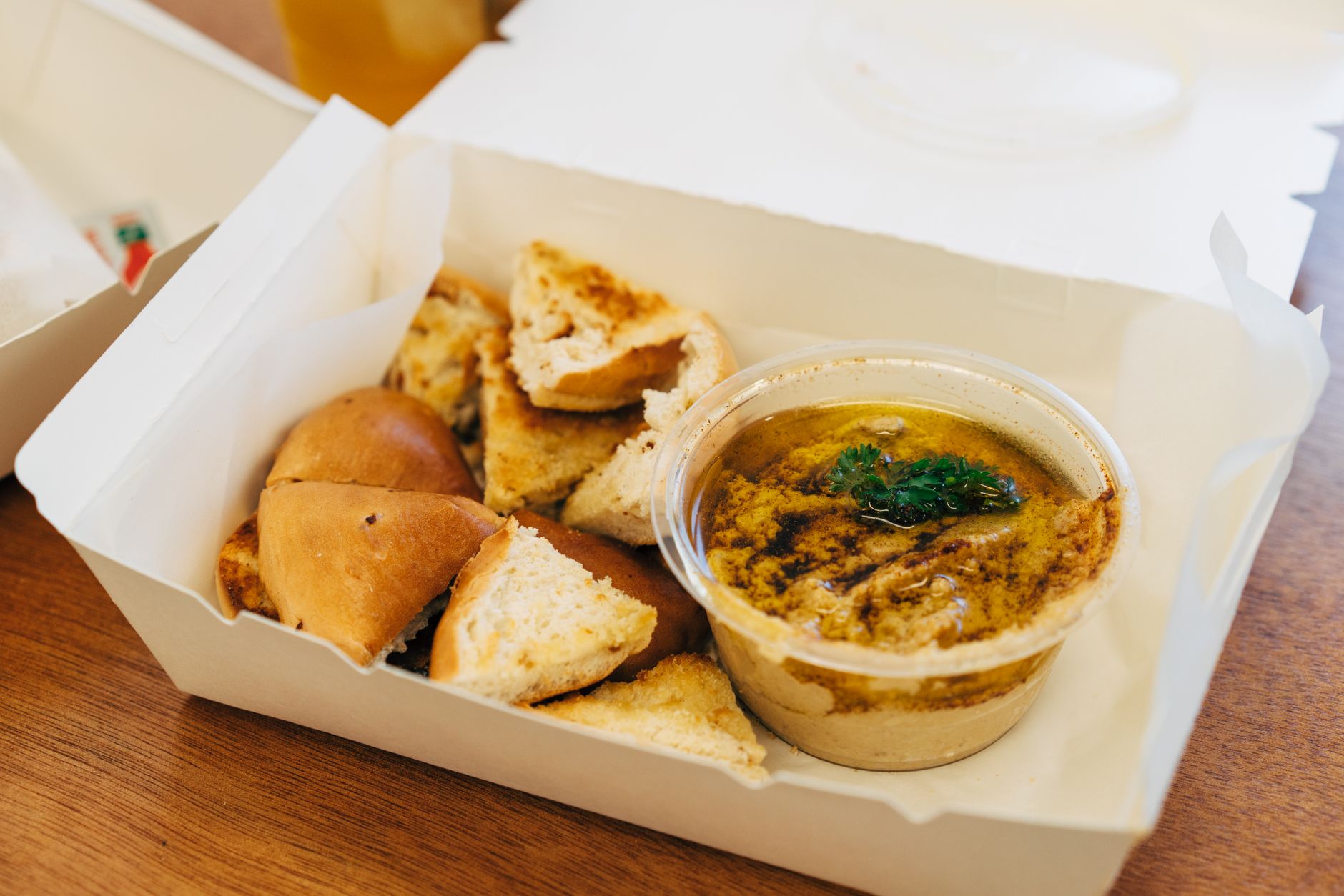
Hummus is a beloved dip that has gained worldwide popularity, but discussions about its origins can spark curiosity and debate. Among the many brands available, Ithaca Hummus stands out for its smooth texture and vibrant flavors. A common question arises: is Ithaca Hummus Israeli? In this article, we’ll explore the origins of hummus, the specific brand of Ithaca Hummus, and the nuances of its flavor profiles and uses.
Understanding the roots of hummus not only sheds light on Ithaca Hummus’s identity but also enriches our culinary experience. Let’s delve into its history, unique qualities, and various ways to enjoy this versatile spread.
Is Ithaca Hummus Israeli?
No, Ithaca Hummus is not Israeli; it is an American brand produced in Ithaca, New York. While it draws inspiration from traditional Middle Eastern recipes, specifically those of Mediterranean cuisine, it has been crafted for the American palate. The brand’s commitment to high-quality ingredients and fresh flavors sets it apart in the hummus market.
The Historical Background of Hummus
To understand the context of Ithaca Hummus, it’s essential to look at the history of hummus itself. The origins of hummus can be traced back to ancient Middle Eastern cultures. While various countries claim to be the birthplace of this popular dip, it is widely associated with Lebanese, Israeli, and Palestinian cuisines.
Traditionally, hummus is made from cooked and mashed chickpeas, blended with tahini, olive oil, lemon juice, garlic, and salt. The dish boasts a rich taste that varies slightly from region to region based on ingredient variations and preparation techniques.
The Rise of Ithaca Hummus
Ithaca Hummus emerged in 2014, founded by a group of friends who sought to create a fresh, high-quality version of hummus. It quickly gained attention due to its unique and vibrant flavors. Unlike many store-bought hummus varieties, Ithaca Hummus is known for using fresh, raw ingredients, resulting in a creamy texture and robust taste.
The company prides itself on transparency and sustainability, using only non-GMO ingredients and sourcing their components responsibly. Ithaca Hummus stands out not only because of its quality but also due to its innovative flavor offerings.
Flavor Profiles of Ithaca Hummus
Ithaca Hummus comes in a variety of flavors that appeal to diverse taste preferences. Here are some of the top offerings and what makes them special:
- Classic: This traditional flavor embodies the essence of hummus, featuring the foundational ingredients of chickpeas, tahini, lemon juice, and garlic.
- Spicy Red Pepper: This variety offers a delightful kick from roasted red peppers and spices, making it a favorite for those who enjoy added heat.
- Cilantro Jalapeño: A fresh and zesty option highlighting the flavors of cilantro and the heat of jalapeños, perfect for those who love fresh herbs.
- Roasted Garlic: This rich variation infuses oven-roasted garlic, providing a deep umami flavor that enhances the creamy chickpeas.
- Buffalo: A unique take on hummus that combines spicy buffalo sauce with the classic recipe, superb for dipping and spreading.
The combination of these flavors showcases Ithaca Hummus’s dedication to conveying bold tastes while maintaining a smooth consistency, setting it apart from conventional hummus brands.
Traditional Uses of Hummus
Hummus is traditionally eaten with pita bread or pita chips, but its versatility means it can be served in many other ways.
- As a Dip: Hummus is the perfect dip for fresh vegetables, crackers, or pita chips. The creamy texture pairs well with crunchy components.
- Spread: Ithaca Hummus can be used as a flavorful spread on sandwiches or wraps, adding protein and flavor without overpowering other ingredients.
- Sauce: Consider using hummus as a base or sauce for grain bowls or salads, adding richness and depth to the flavors of the dish.
- In Dressings: Blend hummus with additional spices, herbs, or vinegar for a creamy dressing that livens up salads.
Serving Ideas with Ithaca Hummus
Aside from the traditional uses, here are some creative serving ideas to enhance your experience with Ithaca Hummus:
- Hummus Toast: Spread your chosen flavor on whole-grain toast topped with sliced avocado, cherry tomatoes, or radishes for a delicious breakfast or snack.
- Hummus and Veggie Platter: Serve assorted fresh vegetables alongside different Ithaca Hummus flavors for an appealing and healthy appetizer spread.
- Hummus Pizza: Use hummus as the base for a pizza, topped with roasted vegetables, olives, and fresh herbs.
- Stuffed Peppers: Combine couscous with Ithaca Hummus and stuff into bell peppers before baking for a flavorful entrée.
- Hummus Soup: Blend hummus with vegetable or chicken broth, and season with herbs for a warming soup.
Making Your Own Hummus
If you’re inspired by the deliciousness of Ithaca Hummus, you might consider making your own at home. Crafting hummus from scratch allows you to customize flavors while ensuring freshness.
Basic Hummus Recipe
This basic hummus recipe will provide a similar taste profile to Ithaca’s classic flavor.
Yield: Approximately 2 cups
Preparation Time: 10 minutes
Cook Time: 0 minutes
Total Time: 10 minutes
Ingredients
- 1 15-ounce can of chickpeas, drained and rinsed
- 1/4 cup tahini
- 1/4 cup fresh lemon juice (about 1 large lemon)
- 1 clove garlic, minced
- 2 tablespoons extra virgin olive oil
- 1/2 teaspoon ground cumin
- Salt, to taste
- Water, as needed for consistency
Essential Equipment
- Food processor or blender
- Measuring cups and spoons
- Spatula
Method
- In a food processor, combine the drained chickpeas, tahini, lemon juice, garlic, olive oil, and cumin.
- Process until smooth, scraping down the sides as needed. If the mixture is too thick, add a tablespoon of water at a time until the desired consistency is reached.
- Taste and season with salt as needed, and blend again to incorporate.
- Transfer to a serving dish and drizzle with olive oil to garnish. You can sprinkle paprika or chopped parsley for extra flavor.
Common Mistakes and Troubleshooting
Making hummus may seem simple, but there are some common pitfalls to avoid:
- Too Thick or Dry: If your hummus is too thick, add more water or olive oil gradually until it reaches the desired smoothness. Also, using dried chickpeas instead of canned may lead to a thicker texture if not blended properly.
- Off Flavor: Taste as you go, adjusting lemon juice and salt to balance flavors. A common mistake is under-seasoning.
- Chunky Texture: Ensure thorough blending. If needed, blend in batches or longer to achieve creaminess.
Storage and Reheating
Homemade hummus can be stored in an airtight container in the refrigerator for up to a week. Always use a clean utensil to scoop out hummus to prevent contamination.
While reheating is generally not necessary, if you choose to warm it slightly, do so in the microwave for short intervals to avoid overheating.
Dietary Considerations
Hummus is naturally vegan, gluten-free, and rich in plant-based protein. However, individuals with nut allergies should check tahini labels, as it is made from sesame seeds, which can pose a concern for some.
Final Thoughts on Ithaca Hummus
Ithaca Hummus represents an alluring blend of traditional methods and modern flavors ready to satisfy a variety of taste buds. With its roots firmly in American culture yet influenced by authentic Middle Eastern recipes, Ithaca Hummus shines as a testament to the beloved dip.
Whether using it as a dip, spread, or innovative ingredient in recipes, Ithaca Hummus is sure to elevate your dishes. If you want to explore making hummus or search for new ways to enjoy it, consider preparing a classic or its variations. The flexibility of hummus makes it a timeless addition to any meal.
For those looking to make hummus without tahini, check out this hummus recipe without tahini for a unique twist!