
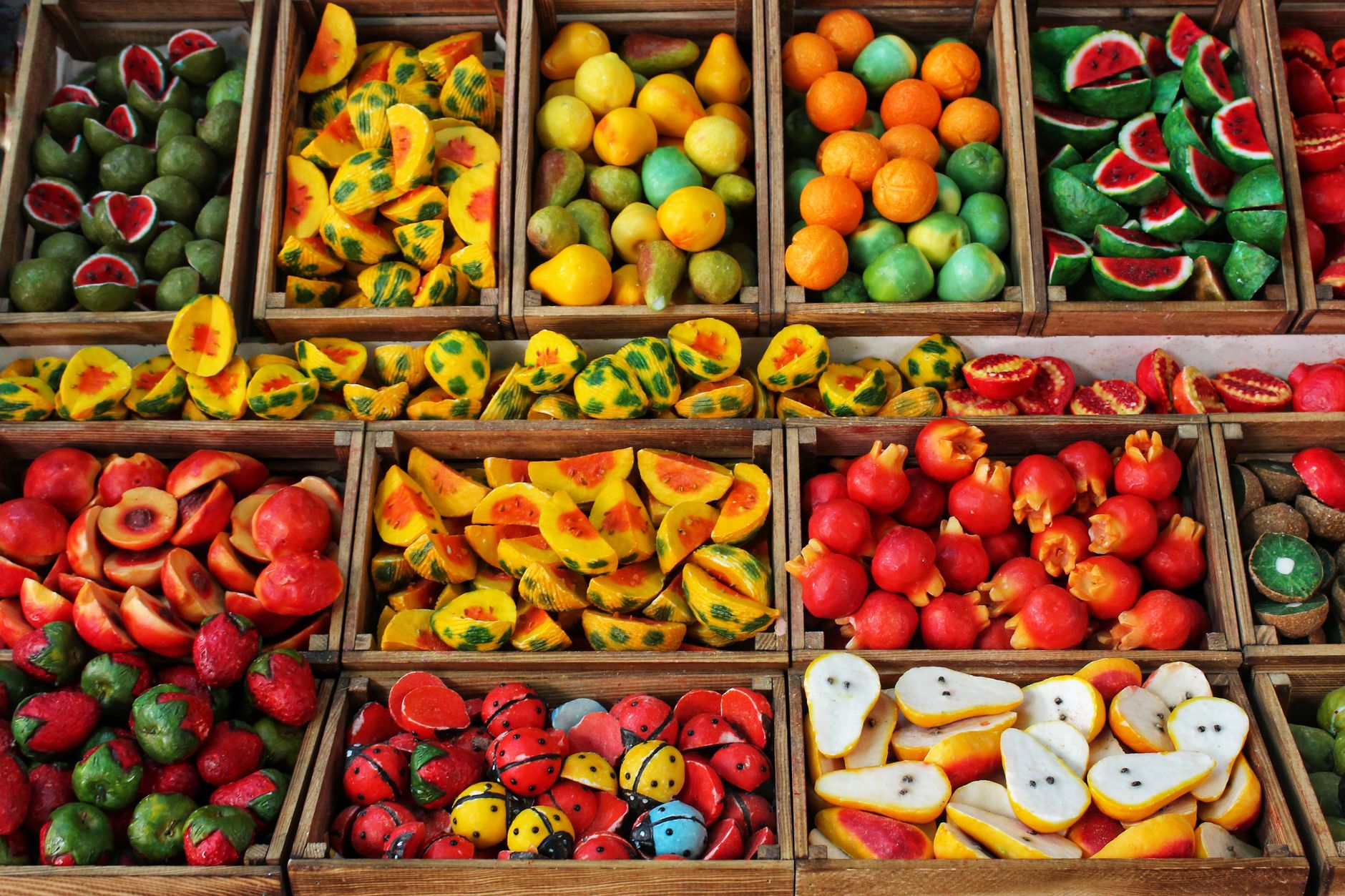
Fruits are a colorful, delicious, and nutritious part of any balanced diet. Their wide variety of flavors, textures, and health benefits make them a favorite in kitchens around the world. But with so many options available, one might wonder, what fruit is best for you?
This article explores some of the best fruits for your health by examining their nutritional profiles, flavor profiles, culinary uses, and how they fit into a healthy, balanced diet. You’ll leave with a better understanding of how to incorporate the right fruits into your meals, whether you’re snacking, baking, or meal prepping.
What Fruit Is Best for You?
Determining which fruits are best for you depends on your nutritional needs, taste preferences, and any dietary restrictions you may have. Generally, fruits that are high in vitamins, minerals, and dietary fiber are considered the best for overall health. Some examples include berries, citrus fruits, bananas, and apples. Each of these fruits brings unique benefits to the table.
Overall Nutritional Benefits of Fruits
Fruits are packed with essential vitamins and minerals, making them important components of a healthy diet. Here are some general nutritional benefits:
- High in vitamins: Fruits provide vital nutrients, including vitamin C, vitamin A, and various B vitamins.
- Rich in antioxidants: Many fruits are high in antioxidants, which help combat oxidative stress and reduce inflammation.
- High in dietary fiber: Fiber supports digestive health and can help maintain a healthy weight.
- Hydration: Many fruits have high water content, promoting hydration in the body.
Top Fruits and Their Unique Benefits
Berries
Berries, such as strawberries, blueberries, and raspberries, are among the healthiest fruits available. They are low in calories but high in nutrients.
- Nutritional Profile: High in vitamin C, fiber, and antioxidants.
- Health Benefits: May improve heart health, lower blood pressure, and support brain health.
- Culinary Uses: Great in smoothies, salads, desserts, or just as a snack.
Citrus Fruits
Citrus fruits, including oranges, lemons, limes, and grapefruits, are known for their refreshing taste and high vitamin C content.
- Nutritional Profile: Rich in vitamin C, potassium, and fiber.
- Health Benefits: Boosts the immune system, aids in collagen production, and supports skin health.
- Culinary Uses: Excellent for juices, dressings, marinades, or desserts.
Bananas
Bananas are among the most popular fruits globally and are well-known for their convenience and natural sweetness.
- Nutritional Profile: High in potassium, vitamin B6, vitamin C, and dietary fiber.
- Health Benefits: Supports heart health, aids in digestion, and provides quick energy.
- Culinary Uses: Perfect for smoothies, baked goods, or as a quick snack.
Apples
Apples are a staple in many diets due to their versatility and health benefits.
- Nutritional Profile: High in fiber, vitamin C, and various antioxidants.
- Health Benefits: Linked to reduced risk of heart disease, improved gut health, and weight management.
- Culinary Uses: Great raw, in salads, pies, or as applesauce.
Grapes
Grapes come in various colors and types, each offering unique flavors and health benefits.
- Nutritional Profile: Rich in vitamins C and K, and high in antioxidants.
- Health Benefits: May help support heart health and reduce inflammation.
- Culinary Uses: Perfect for snacking, in fruit salads, or for making grape juice.
Understanding Fruit Flavors and Textures
The flavor and texture of fruits can significantly influence their uses in cooking and baking. Here’s a breakdown of various fruit types:
Sweet Fruits
Sweet fruits such as mangoes, peaches, and cherries can enhance desserts and savory dishes alike.
- Use Cases: Ideal for smoothies, baked goods, and fruit salads.
- Flavor Pairings: Pair well with yogurt, nuts, or cheese.
Tart Fruits
Tart fruits like cranberries, pomegranates, and green apples can add a refreshing contrast to rich dishes.
- Use Cases: Excellent in sauces, dressings, or as a garnish.
- Flavor Pairings: Complement well with meats, such as duck or pork.
The Textural Elements
Fruits can have various textures, from firm to soft, crunchy to creamy.
- Crisp Fruits: Such as apples and pears provide a delightful crunch in salads.
- Soft Fruits: Like bananas and avocados have creamy textures, perfect for spreads or smoothies.
Cooking and Baking with Fruit
Fruits can enhance many dishes through different cooking techniques. Here are some methods:
Raw
Enjoying fruits raw is one of the simplest ways to incorporate them into your diet. They can be eaten whole, sliced, or added to salads.
Grilling
Grilling fruits like peaches, pineapples, or watermelon intensifies their flavors and adds a smoky sweetness.
- Method: Cut into thick slices, brush with oil, and grill over medium heat until caramelized.
Baking
Baking with fruits adds moisture and flavor to various desserts such as pies, muffins, and breads.
- Tip: Always account for the moisture content of fruits when baking. Adjust other liquid ingredients accordingly.
Making Preserves and Jams
Preserving fruits allows you to enjoy their flavors year-round. Here’s a basic overview of the process:
- Choose ripe fruit and wash thoroughly.
- Prepare the fruit by peeling, coring, or chopping as needed.
- Cook the fruit with sugar and lemon juice until it thickens.
- Pour into sanitized jars and seal while hot. Allow to cool before refrigerating.
Fruit Storage Tips
Proper storage helps maintain the freshness and quality of fruits. Here are some essential tips:
- Refrigeration: Store berries, grapes, and cut fruits in the fridge to prolong shelf life.
- Counter Storage: Apples, bananas, and citrus can be stored at room temperature to ripen.
- Separation: Keep ethylene-producing fruits like apples away from ethylene-sensitive fruits like strawberries to prevent premature ripening.
Incorporating Fruits into Your Diet
Adding a variety of fruits to your daily meals can be easy and enjoyable. Here are some strategies for incorporating more fruits into your diet:
- Breakfast: Add sliced bananas or berries to oatmeal or yogurt.
- Lunch: Toss a handful of grapes or diced apples into a salad or wrap.
- Dinner: Utilize fruits such as oranges or mangoes in salsas or glazes for meats.
- Snacks: Keep portable fruits like apples, bananas, or clementines on hand for quick energy boosts.
Final Thoughts on Selecting Fruits
Choosing the best fruits for your needs involves considering flavor, texture, and nutritional benefits. Fruits like berries, citrus fruits, bananas, and apples are versatile and beneficial in many culinary applications.
Incorporate a range of fruits into your diet, considering seasonal and local options for freshness and cost-effectiveness. Embrace the vibrant world of fruits to enhance your meals and promote overall health.
If you’re interested in understanding the fiber content in specific fruits or what pineapple can do for men’s health, feel free to explore more about fiber in bananas or benefits of pineapple.