
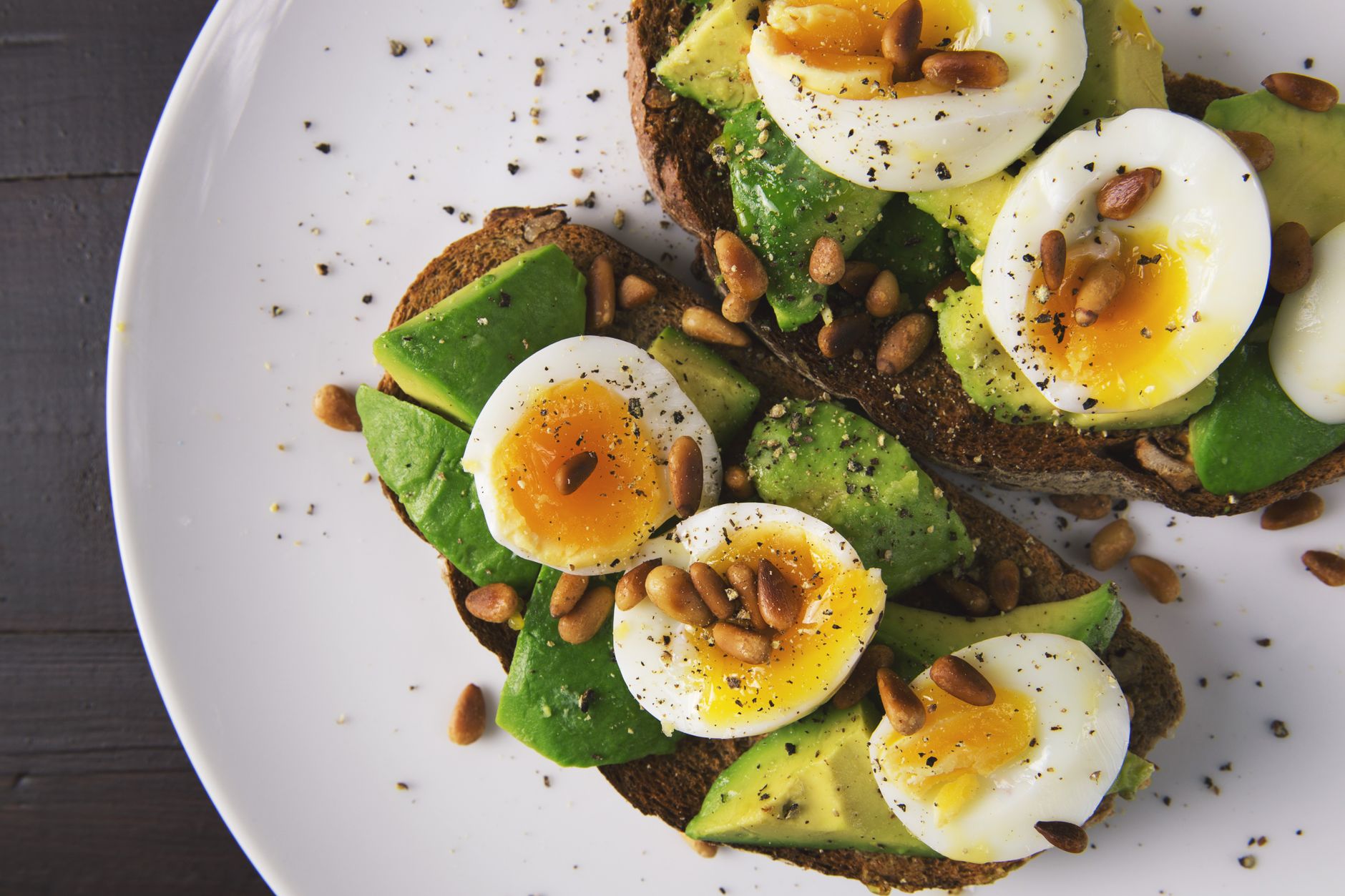
Protein is one of the essential macronutrients required by the body for growth, repair, and maintenance of tissues. It plays a critical role in creating enzymes, hormones, and other body chemicals. But what foods are rich in protein, and how can you incorporate them into your diet? This article explores protein-rich foods, their benefits, serving sizes, and practical tips for making the most of them in your meals.
Whether you’re a meat lover, vegetarian, or somewhere in between, there are plenty of options available. We’ll cover various sources of protein, including animal and plant-based options, as well as tips on how to include these foods in your daily routine.
What Food Is Protein?
Protein can be found in a wide variety of foods, with some being excellent sources while others offer more moderate amounts. The primary sources of protein can be classified into two main categories: animal-based and plant-based proteins. Each type has its nutritional profile, benefits, and culinary uses.
Animal-Based Protein Sources
Animal-based proteins are generally complete proteins, meaning they contain all nine essential amino acids that the body cannot synthesize. Here are some top animal-based protein foods:
- Meat: Beef, pork, chicken, and lamb are all rich in protein. For example, a 3-ounce (85 grams) serving of chicken breast contains about 26 grams of protein.
- Fish: Salmon, tuna, and tilapia are great options, with a 3-ounce serving of salmon delivering around 22 grams of protein.
- Dairy Products: Milk, yogurt, and cheese are all good sources of protein. A cup of Greek yogurt offers about 20 grams of protein.
- Eggs: A single egg contains around 6 grams of protein, making them a versatile addition to many meals.
Plant-Based Protein Sources
Plant-based proteins can be both complete and incomplete, depending on the source. Here are some popular plant-based protein foods:
- Legumes: Lentils, chickpeas, and black beans are all excellent sources. A cup of cooked lentils contains about 18 grams of protein.
- Nuts and Seeds: Almonds, peanuts, and chia seeds provide protein along with healthy fats. A quarter cup of almonds has approximately 7 grams of protein.
- Quinoa: This grain is a complete protein, offering about 8 grams of protein per cup when cooked.
- Tofu and Tempeh: Both made from soybeans, tofu contains about 10 grams of protein per half-cup, and tempeh has around 15 grams.
Benefits of Consuming Protein-Rich Foods
Incorporating protein into your diet has numerous benefits:
- Muscle Repair and Growth: Protein plays a vital role in muscle repair and growth, making it essential for athletes and those who engage in regular physical activity.
- Weight Management: High-protein foods can help you feel fuller for longer, reducing overall calorie intake and assisting with weight management.
- Bone Health: Protein contributes to bone health and density, with studies showing that adequate intake may reduce the risk of fractures.
- Hormonal Balance: Many hormones are composed of proteins, making protein intake critical for hormonal balance and regulation.
Portion Sizes and Serving Recommendations
Understanding proper portion sizes is crucial for effective meal planning. Here are some recommended serving sizes for various protein sources:
- Meat: A serving size is typically 3 to 4 ounces (85-113 grams) or about the size of a deck of cards.
- Fish: Similar to meat, aim for 3 to 4 ounces per serving.
- Dairy: One serving is typically one cup of milk or yogurt or about 1.5 ounces of cheese.
- Legumes: One serving equals about half a cup of cooked beans or lentils.
- Nuts: A serving is typically 1 ounce (about a small handful) or around 1/4 cup.
How to Incorporate More Protein into Your Diet
There are numerous ways to add protein-rich foods to your meals without making significant changes to your diet:
- Breakfast: Choose Greek yogurt with berries and nuts or scrambled eggs with spinach and feta cheese.
- Snacks: Opt for protein smoothies made with protein powder, peanut butter, or cheese and whole grain crackers.
- Lunch: Load your salad with grilled chicken, chickpeas, or quinoa for added protein.
- Dinner: Serve beef or fish with a side of lentils or quinoa, and include frozen or fresh vegetables.
Common Protein-Rich Food Combinations
Pairing protein-rich foods with complementary ingredients can enhance both flavor and nutritional value:
- Rice and Beans: This classic vegetarian combination creates a complete protein profile.
- Peanut Butter and Whole Grain Bread: Spread peanut butter on whole grain toast for a satisfying snack.
- Fish and Vegetables: Bake salmon with asparagus or serve tuna salad over leafy greens.
Substituting Protein Sources
When using protein sources in recipes, it’s essential to consider substitutions that will maintain balanced nutrition and taste. Here are some practical alternatives:
- Chicken: For a vegetarian option, use chickpeas or lentils in salads and stews.
- Beef: Ground turkey or lean pork can be used in many dishes.
- Dairy: Plant-based yogurts and nut milks can substitute dairy yogurt and milk.
Common Mistakes to Avoid
When planning your protein intake, be mindful of these common pitfalls:
- Ignoring Portion Sizes: Overeating protein can lead to an imbalance in your diet. Keep track of your intake.
- Relying Solely on Animal Sources: Diversifying your protein sources can enhance health benefits, so don’t neglect plant-based options.
- Not Considering Nutritional Content: Be aware of other nutrients found in protein sources, such as fats and carbohydrates.
Making Protein Part of Your Meal Prep
Meal prep can help ensure you consistently meet your protein needs. Here are some tips:
- Batch Cooking: Prepare a large batch of protein-rich foods, such as grilled chicken or baked tofu, and use them throughout the week.
- Freezing: Cook extra portions and freeze them in single servings for later use.
- Mixing and Matching: Prepare various protein sources and mix them into different meals for variety.
Creative Protein-Rich Recipe Ideas
Inspiration for meals can help you incorporate more protein into your diet. Here are a few ideas:
- Protein Brownies: Add black beans or protein powder to traditional brownie recipes for added nutrition. Check out our Protein Brownies Recipe.
- Protein Cookies: Similar to brownies, swap in protein powder or nut butter into cookie recipes. Try our Protein Cookies Recipe.
- Buddha Bowls: Create a nourishing bowl filled with quinoa, roasted vegetables, chickpeas, and a tahini dressing.
Conclusion
Understanding the variety of protein-rich foods and how to integrate them into your diet is valuable for your overall health. From animal-based to plant-based sources, the choices are plentiful. Focus on portion sizes, creative recipes, and meal prep methods to optimize your protein intake while enjoying diverse, flavorful meals.
Explore related recipes, cooking tips, or food guides to enhance your meal planning journey, including our Protein Brownies Recipe and Protein Cookies Recipe.