
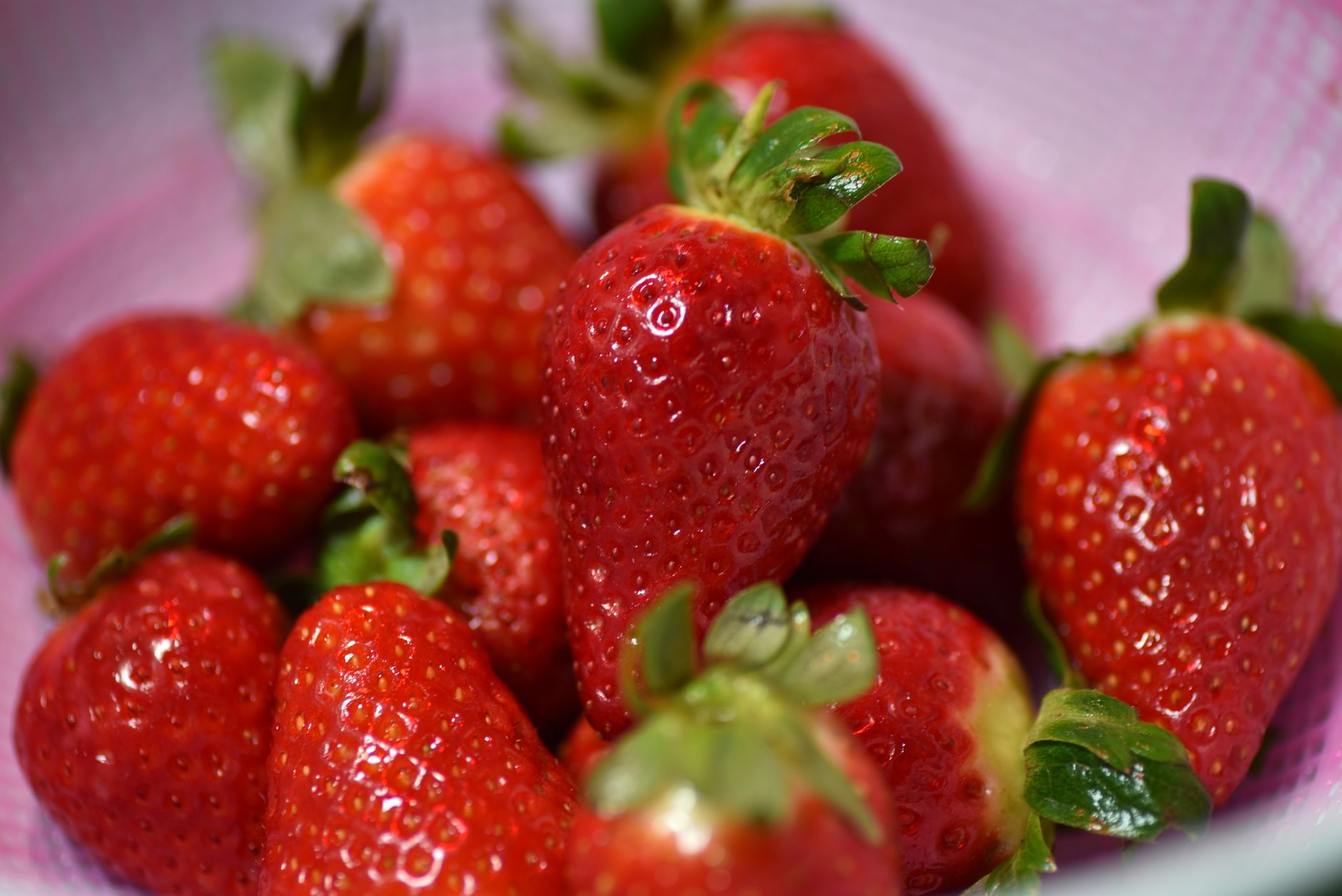
Strawberries are one of the most delightful fruits, bursting with flavor and vibrant color. Yet, despite their name, they are not technically classified as berries. This article explores the fascinating reasons behind this botanical classification, offers culinary insights into strawberries, and shares tips on how to enjoy them in various dishes.
Understanding the difference between what is commonly perceived as a berry and the scientific classification can enhance your appreciation of strawberries. Let’s dig deeper into this intriguing fruit and discover its uses in the kitchen.
Why Are Strawberries Not Berries?
Technically speaking, strawberries do not meet the botanical definition of a berry. True berries come from a single ovary and contain seeds embedded inside. Strawberries, on the other hand, are classified as aggregate fruits because they form from multiple ovaries of a single flower.
The term “berry” is often misused in culinary contexts. In botany, a true berry is one that develops from the ovary of a single flower and has seeds and pulp produced from the ovary wall. Examples include tomatoes, grapes, and bananas. In contrast, strawberries develop from a flower with multiple ovaries, leading to their classification as aggregate fruits.
Botanical Break Down: The Science Behind Berries
To further clarify why strawberries are not classified as berries, we must explore the structure of these fruits:
- True Berries: Formed from a single ovary and characterized by a fleshy pericarp (fruit wall).
- Aggregate Fruits: Comprised of multiple small drupes (individual fruits) clustered around a single flower, such as strawberries and raspberries.
- Multiple Fruits: Develop from several flowers, like pineapples and figs.
Strawberries consist of many small yellow seeds on their exterior, a hallmark of aggregate fruits. Each seed actually represents one of the individual ovaries from the flower’s reproductive structure.
Exploring the Culinary Uses of Strawberries
While they may not be “true” berries, strawberries have secured a place in both the culinary world and our hearts. Their sweet, tangy flavor and juicy texture make them ideal for a variety of dishes. Here are some ways to enjoy strawberries:
1. Fresh Eating
Strawberries are perfect for snacking. Wash them thoroughly and enjoy them fresh, either on their own or in a fruit salad. Pair them with whipped cream for a classic dessert experience.
2. Baking
Strawberries can enhance baked goods with their flavor. Consider using them in:
- Pies: Strawberry pies combine the fruit with a sweet filling and flaky crust.
- Strawberry Shortcake: Layered cakes featuring fresh strawberries and whipped cream.
- Strawberry Muffins: Moist muffins that incorporate the berries in the batter.
3. Preserves and Jams
Strawberries are also commonly used to make preserves and jams, allowing you to enjoy their taste year-round. The natural sugars in strawberries make them excellently suited for canning.
4. Salads
Add a refreshing twist to salads by incorporating strawberries. They pair beautifully with spinach, goat cheese, and nuts:
- Strawberry Spinach Salad: Fresh spinach topped with sliced strawberries, feta cheese, and a light vinaigrette.
- Grilled Chicken Salad: Chopped strawberries add sweetness to grilled chicken and mixed greens.
5. Smoothies and Drinks
Blend strawberries into smoothies for a refreshing drink. Pair them with ingredients like yogurt, bananas, and milk to create a nutrient-rich beverage. Strawberry lemonade or cocktails can also elevate any warm-weather gathering.
Buying and Selecting Strawberries
To enjoy the best flavor and quality when using strawberries, proper selection is crucial. Here are some tips on how to choose ripe strawberries:
- Color: Look for bright red strawberries. Avoid those that are white or greenish at the top, which indicates under-ripeness.
- Texture: Pick firm strawberries; soft ones may be overripe or beginning to spoil.
- Aroma: Ripe strawberries emit a sweet fragrance. If they lack aroma, they might not be flavorful.
Additionally, check for visible signs of spoilage, such as mold or mushy spots before purchasing.
Storing Strawberries
To maximize the shelf life and freshness of strawberries, consider the following storage tips:
- Refrigeration: Store strawberries in the refrigerator to slow down spoilage. Place them in a breathable container or a paper towel-lined bowl.
- Wash Just Before Use: Rinse strawberries only before consumption to minimize moisture that can lead to mold.
- Freezing: For long-term storage, freeze strawberries. Simply wash, slice if desired, and place in an airtight container or freezer bag.
Substitutions for Strawberry-based Recipes
If you run out of strawberries or are looking to experiment with different flavors, here are some suitable substitutions:
- Raspberries: Their tart flavor can replace strawberries in pastries or salads.
- Bluerries: Provide a similar sweetness, ideal for smoothies and desserts.
- Peaches or Nectarines: Depending on the season, these stone fruits can replace strawberries for a different flavor profile.
Be mindful of how the texture may change based on your substitution choice. For example, raspberries are softer and may break down more quickly.
Culinary Techniques for Preparing Strawberries
Before using strawberries in recipes, preparation is key. Here are essential techniques to maximize their use:
1. Slicing
Slice strawberries by removing the green hull at the top with a paring knife. Cut them into halves or quarters based on your recipe needs.
2. Mashing
To make a puree or strawberries for sauces or toppings, mash with a fork or use a food processor for a smoother consistency.
3. Roasting or Grilling
For a sweet taste enhancement, consider roasting or grilling strawberries. Toss them lightly with sugar, then grill them until caramelized for a unique treat.
Common Mistakes When Using Strawberries
When preparing or cooking with strawberries, keep an eye on common pitfalls:
- Overwashing: Washing strawberries ahead of time can lead to excess moisture and spoilage. Rinse only just before use.
- Burning during Cooking: Keep an eye on temperatures when baking, as strawberries can caramelize and burn quickly.
- Ignoring the Hull: Always remove the green hull before consuming or using strawberries for best flavor and texture.
Creative Ways to Use Strawberries Beyond Desserts
While strawberries are often associated with sweet desserts, they can shine in savory dishes as well. Here are creative ideas:
- Strawberry Salsa: Combine chopped strawberries with onions, cilantro, and jalapeños for a zesty salsa perfect for tacos or chips.
- Strawberry Glazed Chicken: Make a sauce with pureed strawberries mixed with balsamic vinegar for a unique chicken glaze.
- Stir-fries: Create an unexpected stir-fry by combining strawberries with vegetables and protein.
Delicious Strawberry Recipes to Try
For those eager to explore the versatility of strawberries in cooking, consider these recipes:
Strawberry Delight
A light dessert featuring strawberries served over a fluffy cream layer. Perfect for gatherings.
Ingredients
- 2 cups fresh strawberries, sliced
- 1 cup whipped cream
- 1 cup crushed graham crackers
- 4 tablespoons sugar
- 1 cup cream cheese
Method
- Prepare the cream cheese by blending it with sugar until smooth.
- Fold in the whipped cream gently and set aside.
- Layer the crushed graham crackers at the base of a dessert glass.
- Top with the cream mixture, then add a layer of sliced strawberries.
- Repeat layers as desired and finish with more strawberries on top.
Strawberry Preserves
Capture the essence of strawberries in this preserve recipe, allowing you to savor their flavor throughout the year.
Ingredients
- 4 cups fresh strawberries, hulled and sliced
- 4 cups granulated sugar
- 1/4 cup lemon juice
Method
- In a large pot, combine strawberries and sugar, macerating slightly.
- Add the lemon juice and cook over medium heat until the mixture comes to a boil.
- Lower the heat and continue simmering for about 10 to 15 minutes, stirring frequently.
- Test the consistency by placing a spoonful on a plate; it should hold its shape.
- Pour into sterilized jars and seal while hot.
Conclusion
Strawberries, while not true berries from a botanical standpoint, are a versatile and beloved fruit with countless culinary possibilities. From fresh snacking to delicious desserts, their flavor and texture can enhance any dish. Explore various recipes and creative uses for strawberries in your kitchen.
For even more strawberry inspiration, check out the delightful Strawberry Delight recipe or learn how to make Strawberry Preserves for a sweet treat that lasts. Enjoy cooking with strawberries in your next meal or dessert!