
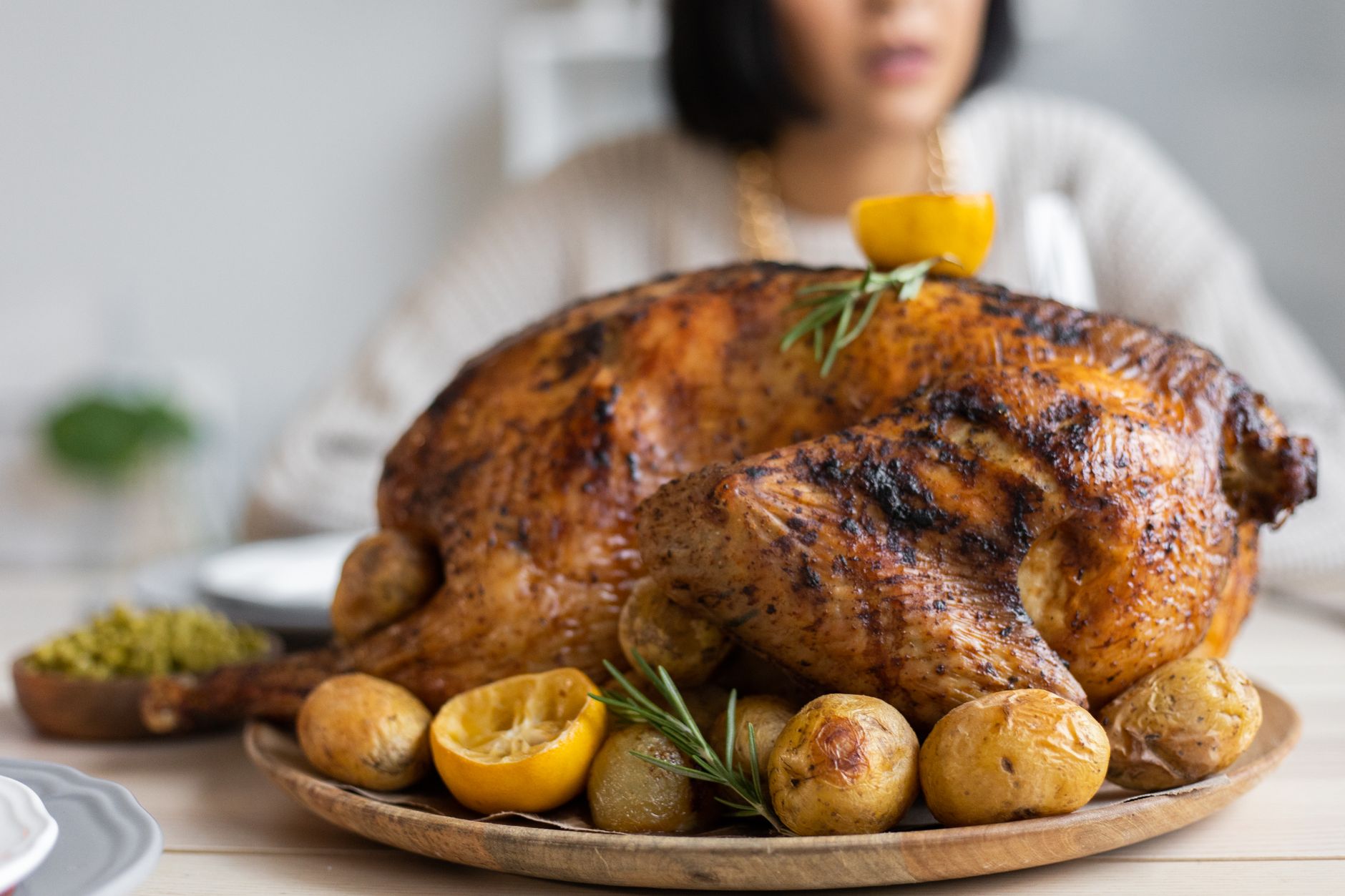
Pregnancy comes with many dietary considerations, and one that often arises is whether it’s safe to eat turkey. As a staple in many diets, turkey can offer a good source of protein, but it also requires careful preparation to ensure it is safe for both you and your baby. In this guide, we will explore whether turkey is safe to consume during pregnancy, the best practices for handling and cooking turkey, and delicious meal ideas to incorporate turkey into your diet.
From nutritional benefits to safety guidelines, understanding how to enjoy turkey while pregnant can enhance your meals and provide key nutrients essential for fetal development. Let’s dive into everything you need to know about eating turkey while pregnant.
Can I Eat Turkey While Pregnant?
Yes, you can eat turkey while pregnant, but you must ensure it is cooked safely and handled properly. Turkey can provide essential nutrients such as protein, iron, and zinc, which are important during pregnancy. However, it’s vital to be cautious about foodborne illnesses and ensure that the meat is thoroughly cooked to eliminate any harmful bacteria.
Nutritional Benefits of Turkey During Pregnancy
Turkey is not only delicious; it also offers various nutritional benefits that are helpful during pregnancy. Here are some key advantages:
- High in Protein: Turkey is an excellent source of lean protein, which is essential for the growth and development of your baby.
- Rich in Iron: Iron is crucial to prevent anemia during pregnancy, and turkey provides a substantial amount.
- Source of Vitamins: Turkey contains B vitamins, including B6 and B12, which support brain development and help manage nausea.
- Contains Zinc: Zinc plays a role in immune function and is important for cell division, enhancing fetal development.
Safe Handling and Cooking Practices
To safely consume turkey while pregnant, it is imperative to follow proper handling and cooking practices. This ensures that any harmful bacteria that may be present in the meat are eliminated.
Selection of Turkey
When selecting turkey, choose fresh or frozen turkey from a reliable source. If buying processed or deli turkey, make sure it’s from a reputable brand. Be cautious with pre-packaged turkey products, as they may contain preservatives or additives.
Thawing Turkey Safely
If you are using frozen turkey, avoid thawing it at room temperature. Instead, use one of the following safe methods:
- In the Refrigerator: Allow 24 hours of thawing time for every 5 pounds of turkey in the refrigerator.
- Cold Water Method: If you need to thaw turkey faster, submerge it in cold water, changing the water every 30 minutes. Cook it immediately after thawing.
- Microwave Thawing: If thawing in the microwave, cook the turkey immediately after thawing, as some areas may begin to cook during microwaving.
Cooking Turkey to a Safe Temperature
For turkey to be considered safe to eat, it must reach a minimum internal temperature of 165°F (74°C). Use a food thermometer to accurately check the temperature in the thickest part of the meat, avoiding the bone. Here’s how to prepare turkey:
- Remove the turkey from any packaging, ensuring you have a clean workspace.
- Establish a cooking method: roasting, grilling, or slow cooking.
- Season the turkey as desired, ensuring seasoning is safe and pregnancy-friendly.
- Cook according to the method selected until the internal temperature reaches 165°F (74°C).
- Let the turkey rest for a few minutes before slicing to retain juices.
Common Mistakes and Troubleshooting
When preparing turkey, it’s easy to make mistakes that can lead to unsafe consumption. Here are some common issues and solutions:
- Not Using a Thermometer: Always use a food thermometer. Color and texture are not reliable indicators of doneness.
- Cooking at Too Low a Temperature: Maintain the heat at a safe level, generally around 325°F (163°C) or higher, depending on your cooking method.
- Cross-Contamination: Prevent cross-contamination by keeping raw turkey away from other food, using separate cutting boards, and washing hands thoroughly.
Delicious Turkey Meal Ideas for Pregnancy
Incorporating turkey into your meals can be both delicious and healthy. Here are some simple and tasty meal ideas that leverage turkey while ensuring it meets dietary needs during pregnancy:
Turkey Stir-Fry
A quick stir-fry is a great way to enjoy turkey with vegetables:
- Ingredients: Ground turkey, a mix of colorful vegetables (bell peppers, broccoli, carrots), garlic, and soy sauce.
- Cooking Time: About 15-20 minutes.
- Simply sauté the garlic in a pan, add ground turkey, and cook it until browned. Toss in veggies, add a splash of soy sauce, and cook until vegetables are tender.
Turkey Salad
Here’s a refreshing salad to enjoy chilled:
- Ingredients: Roasted turkey breast (cooked and cooled), mixed greens, cherry tomatoes, cucumbers, and a light vinaigrette.
- Preparation Time: 10 minutes.
- Slice the cooked turkey and toss with fresh greens and vegetables. Drizzle with vinaigrette to taste.
Turkey and Vegetable Soup
Warm your soul with a delicious soup:
- Ingredients: Ground turkey, chopped carrots, celery, onions, garlic, chicken broth, and herbs.
- Cooking Time: About 30-40 minutes.
- In a pot, brown the ground turkey, add vegetables, sauté until softened, then add broth and seasonings. Let simmer until fully cooked and flavors meld.
Potential Risks Associated with Turkey Consumption
While turkey has many benefits, it’s important to be aware of potential risks. Here are some concerns:
- Listeria: This bacterium can be found in deli meats, so it’s best to avoid cold cuts entirely or at least heat them to steaming hot.
- Salmonella: Under-cooked turkey can lead to salmonella poisoning, emphasizing the need for proper cooking.
- Additives and Preservatives: Processed turkey products may contain additives that aren’t ideal during pregnancy.
Turkey Alternatives During Pregnancy
If you’re wary of turkey or wish for variety, many alternatives are available that similarly provide essential nutrients:
- Chicken: Lean and versatile, chicken can be used in similar recipes.
- Fish: Rich in omega-3 fatty acids, choose low-mercury options like salmon or tilapia.
- Legumes: Beans and lentils are excellent protein sources that can enhance vegetarian meals.
- Tofu: Great for vegetarian and vegan diets, tofu is a good source of protein and can absorb flavors well.
Meal Planning with Turkey
Planning meals around turkey can help you include it in a balanced diet while ensuring you meet nutritional needs:
- Batch Cooking: Prepare larger quantities of turkey and freeze portions for quick meals during the week.
- Variety: Change up your preparations to avoid monotony, such as grilling, baking, or cooking in sauces.
- Balanced Plates: Pair turkey with whole grains, leafy greens, and healthy fats to create nutritious meals.
Storage and Reheating Guidelines
Proper storage and reheating are crucial for maintaining food safety with turkey:
- Refrigeration: Store leftover cooked turkey in the refrigerator within two hours of cooking, and consume within three to four days.
- Freezing: If not using within a few days, freeze cooked turkey for later use, wrapping it tightly to prevent freezer burn.
- Reheating: Rewarm leftovers to an internal temperature of 165°F (74°C). Ensure they are heated evenly throughout.
Conclusion
In summary, turkey can be a safe and nutritious option during pregnancy when handled and cooked properly. With its rich profile of essential nutrients, turkey can support a healthy diet for you and your developing baby. Always prioritize food safety by cooking turkey thoroughly and observing proper handling techniques. By incorporating various meal ideas and remaining aware of potential risks, you can confidently enjoy turkey throughout your pregnancy.
For additional turkey recipes, consider exploring our turkey brine recipe for smoking or try the turkey sausage recipe for more flavorful options to add to your meal planning. Enjoy your culinary adventures while pregnant!