
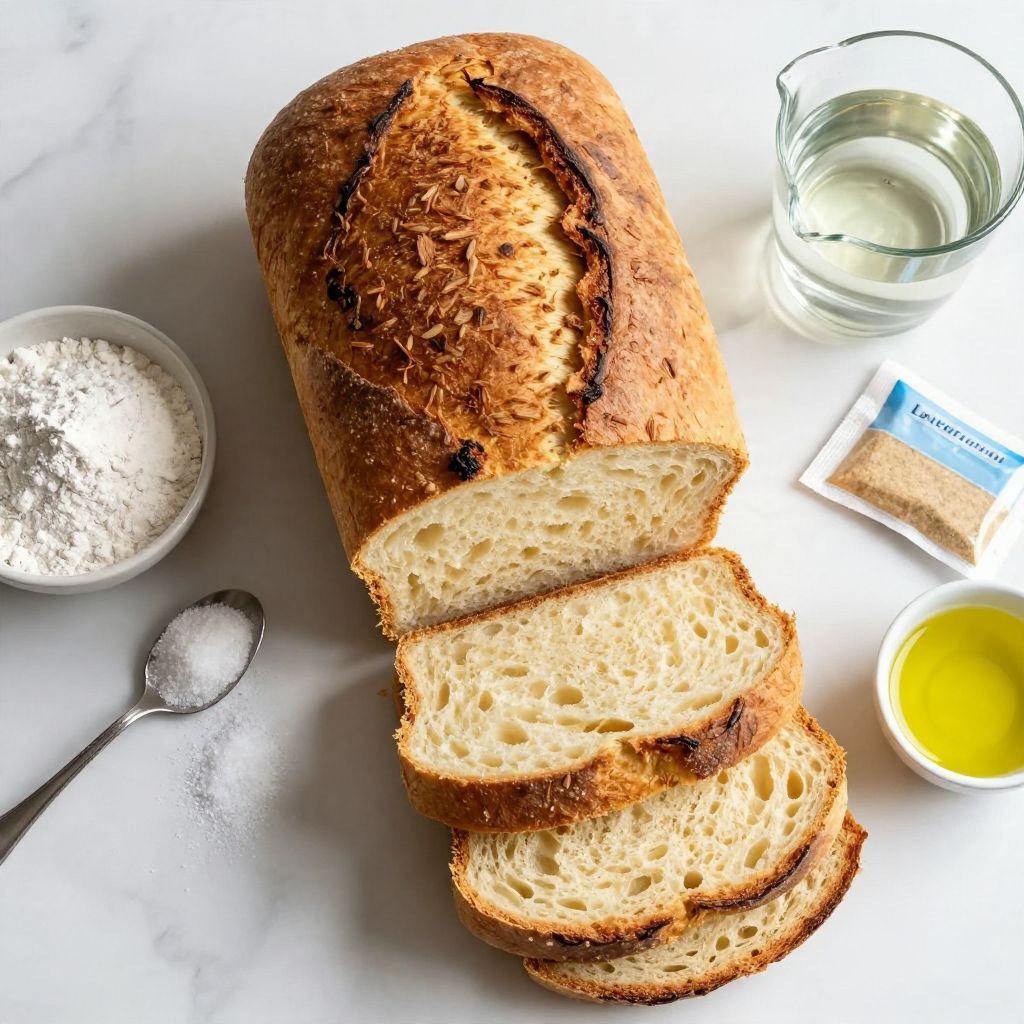
There’s something magical about the smell of fresh bread wafting through the house, isn’t there? With this Slow Cooker Bread Recipe, you can create a warm, crusty loaf without the fuss of kneading or constant monitoring.
This recipe is perfect for busy home cooks who still want to enjoy homemade bread. It offers a tender texture, a golden crust, and all the comfort of traditional baking, but with half the effort.
Why You’ll Love This Recipe
This slow cooker method makes it easy to fit fresh bread into your busy life.
- Minimal hands-on time required.
- Perfectly soft and fluffy interior.
- Great for beginners and seasoned bakers alike.
- Flexible with flavor variations.
- Ideal for meal prep and easy snacking.
My Experience Making This Recipe
The first time I made this bread, I was shocked by how simple it was. I mixed the ingredients, tossed them in the slow cooker, and went about my day.
When the timer went off, I was greeted by the most delightful aroma. My family couldn’t wait to slice into the warm loaf, and it disappeared faster than I could butter it!
Recipe Overview
- Recipe Name: Slow Cooker Bread
- Servings: 8
- Prep Time: 15 minutes
- Cook Time: 3 hours
- Total Time: 3 hours 15 minutes
- Course: Bread
- Cuisine: American
- Calories per Serving: 150
Equipment You Will Need
- Slow cooker
- Mixing bowl
- Wooden spoon or spatula
- Measuring cups and spoons
- Kitchen towel or cloth
Ingredients for Slow Cooker Bread
- 2 cups all-purpose flour
- 1 tablespoon sugar
- 1 teaspoon salt
- 1 tablespoon dry yeast
- 3/4 cup warm water
- 1 tablespoon olive oil
Ingredient Notes and Substitutions
- All-purpose flour: Used for its versatility and structure. You can substitute with bread flour for a chewier texture.
- Sugar: Helps activate the yeast and adds a hint of sweetness. Honey can be used as a natural alternative.
- Salt: Enhances flavor and controls yeast activity. Sea salt or kosher salt works well too.
- Dry yeast: Essential for leavening. If you have fresh yeast, use it at a 3:1 ratio.
- Warm water: Activates the yeast. Make sure it’s not too hot to avoid killing the yeast.
- Olive oil: Adds richness and helps with the crust. Can be replaced with melted butter for a different flavor.
How to Make Slow Cooker Bread
Step 1: Combine Dry Ingredients
In a mixing bowl, combine the flour, salt, sugar, and yeast. This ensures even distribution of the ingredients.
Step 2: Add Wet Ingredients
Pour in the warm water and olive oil. The warmth helps activate the yeast, giving your bread a nice rise.
Step 3: Mix Until Smooth
Stir the mixture with a wooden spoon until it forms a cohesive dough. You want a soft, slightly sticky texture.
Step 4: Let the Dough Rise
Cover the bowl with a kitchen towel and let it rise in a warm place for about an hour. This allows the yeast to do its magic and the dough to double in size.
Step 5: Prepare the Slow Cooker
Grease the bottom and sides of your slow cooker with cooking spray or oil. This prevents sticking and makes for easy removal.
Step 6: Transfer the Dough
Gently punch down the dough to release excess air. Transfer it to the slow cooker, shaping it into a round loaf.
Step 7: Cook on Low
Cover the slow cooker and set it to low heat. Cook for about 3 hours, or until the bread is golden brown and sounds hollow when tapped.
Step 8: Cool Before Slicing
Once done, carefully lift the bread out and let it cool on a wire rack. This step ensures the interior sets properly and maintains a good texture.
Pro Tip: Always check for doneness by tapping the bottom of the loaf; it should sound hollow.
Tips for the Best Slow Cooker Bread
- Use fresh yeast for better flavor and rise.
- Don’t skip the rising time; it’s key for a fluffy loaf.
- Experiment with herbs or spices for added flavor.
- Make sure your water is warm, not hot, to protect the yeast.
- For a crustier loaf, place a cloth over the slow cooker before the lid to absorb moisture.
Common Mistakes to Avoid
- Not measuring ingredients accurately can lead to poor results.
- Using cold water can hinder yeast activation, yielding a dense loaf.
- Overcrowding the slow cooker may prevent even cooking.
- Skipping cooling time can result in gummy bread.
Serving Suggestions
This bread is delicious on its own, but it pairs beautifully with a variety of dishes.
- Spread with butter and jam for breakfast.
- Serve alongside soups or stews.
- Use for sandwiches with your favorite fillings.
- Enjoy with a cheese platter.
- Slice for dipping in olive oil and balsamic vinegar.
Variations to Try
- Add herbs like rosemary or thyme for a savory twist.
- Mix in cheese for a cheesy bread experience.
- Incorporate nuts or dried fruits for added texture and flavor.
- Replace some of the flour with whole wheat flour for a healthier option.
- Experiment with spices like garlic powder or onion powder.
Dietary Adaptations
- Gluten-free: Use a gluten-free flour blend designed for yeast breads.
- Dairy-free: This recipe is naturally dairy-free; just ensure your substitutes are as well.
- Vegan: Use olive oil and avoid dairy products.
- Low-carb/Keto: Substitute with almond flour and adjust yeast for best results.
Storage and Reheating
Refrigerator
Store leftover bread in an airtight container in the fridge.
- It will last for up to a week.
Freezer
Wrap the bread tightly in plastic wrap and then foil for freezing.
- It can be frozen for up to three months.
Reheating
To reheat, slice the bread and warm it in the oven or toaster.
- This keeps the crust nice and crisp.
Nutrition Information
| Nutrient | Amount |
|---|---|
| Calories | 150 |
| Total Fat | 1g |
| Saturated Fat | 0g |
| Carbohydrates | 30g |
| Fiber | 1g |
| Sugar | 1g |
| Protein | 5g |
| Sodium | 200mg |
| Cholesterol | 0mg |
This nutrition information is an estimate and can vary based on ingredient choices and portion sizes.
Frequently Asked Questions
Can I use whole wheat flour instead of all-purpose flour?
Yes, but you may need to adjust the liquid to achieve the right dough consistency.
Can I make this bread ahead of time?
Absolutely! Just store it properly after baking, and it will stay fresh.
How do I store leftover bread?
Keep it in an airtight container in the refrigerator for up to a week.
Why is my bread dense?
This can happen if the yeast is not activated properly or if the dough is not allowed to rise enough.
Can I add other ingredients like cheese or herbs?
Yes! Feel free to mix in your favorite flavors for a unique loaf.
Final Thoughts
Making bread in a slow cooker is a delightful experience that brings warmth to your home. I encourage you to try this recipe and enjoy the delicious rewards of your efforts.
If you’re interested in exploring more, check out my Honey Wheat Bread Recipe or my Amish Cinnamon Bread Recipe for more tasty ideas.
Ingredients
Equipment
Method
- In a mixing bowl, combine the flour, salt, sugar, and yeast.
- Pour in the warm water and olive oil.
- Stir the mixture with a wooden spoon until it forms a cohesive dough.
- Cover the bowl with a kitchen towel and let it rise in a warm place for about an hour.
- Grease the bottom and sides of your slow cooker.
- Gently punch down the dough and transfer it to the slow cooker, shaping it into a round loaf.
- Cover the slow cooker and set it to low heat.
- Cook for about 3 hours, or until the bread is golden brown and sounds hollow when tapped.
- Once done, carefully lift the bread out and let it cool on a wire rack.