
Cheese curds are a delightful and versatile dairy product that many people enjoy. Whether you love them fresh as a snack, incorporated into dishes like poutine, or deep-fried, understanding their storage needs is crucial. One common question that often arises is: do cheese curds need to be refrigerated?
The short answer is yes, cheese curds should be refrigerated to maintain their freshness and flavor. Cheese curds are perishable items and, when not properly stored, can spoil quickly. This article will explore best practices for storing cheese curds, what affects their shelf life, and tips for keeping them fresh longer.
Do Cheese Curds Need to Be Refrigerated?
As a general rule, cheese curds need to be refrigerated to remain safe and tasty. Being made primarily from milk, cheese curds are highly perishable and can develop harmful bacteria if left at room temperature for extended periods. Therefore, for optimal flavor and food safety, it’s best to store them in the refrigerator.
Understanding Cheese Curds
Before diving deeper into storage techniques, let’s explore what cheese curds are and why they require careful handling.
What are Cheese Curds?
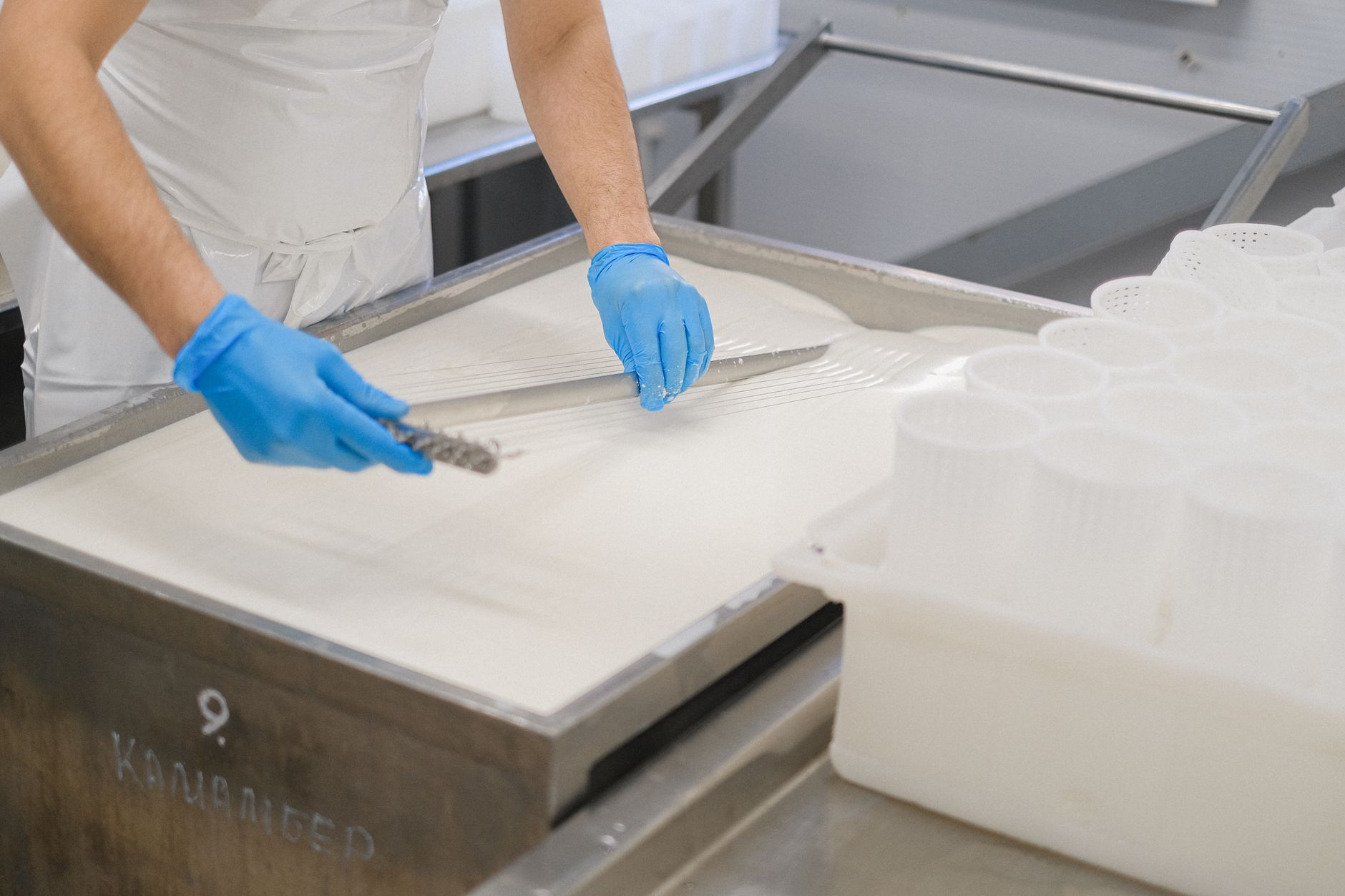
Cheese curds are small, solid pieces of curdled milk that form during the cheesemaking process. They are a byproduct of the curdling process, where milk is combined with rennet (an enzyme). The result is a rich, soft cheese that is often described as having a mild flavor with a slightly salty or tangy taste.
Flavor and Texture
Cheese curds have a unique, squeaky texture that many people find enjoyable. When they’re fresh, you can hear them squeak between your teeth while you chew. The flavor can vary depending on the age of the curds and the milk used in their production, but they are typically mild.
Storage Guidelines for Cheese Curds
To ensure the best quality, it’s essential to follow specific storage guidelines for cheese curds.
Short-Term Storage
If you’ve just purchased fresh cheese curds, the best practice is to store them in the refrigerator. Here’s how to do that:
- Keep the cheese curds in their original packaging if it’s unopened. Commercially packaged cheese curds are designed to help preserve freshness.
- If you’ve opened them or if they’re from a bulk source, transfer the curds to an airtight container. This minimizes exposure to air and prevents the curds from drying out.
- Store them in the coldest part of the refrigerator, typically near the back. The ideal temperature for storage is between 32°F and 39°F (0°C to 4°C).
Long-Term Storage
If you have an excess of cheese curds and want to store them for an extended period, freezing is an option.
- Portion the cheese curds into smaller servings to make it easier to defrost only what you need.
- Place the cheese curds in resealable freezer bags or airtight containers. Be sure to remove as much air as possible before sealing.
- Label the bags with the date of freezing so you can keep track of how long they’ve been in the freezer. Cheese curds can last up to six months in the freezer.
Keep in mind that freezing may alter the texture of cheese curds, making them slightly grainy after thawing. They still hold up beautifully in cooked dishes, though.
How to Tell if Cheese Curds Have Gone Bad
Like any dairy product, cheese curds have a limited shelf life. Here are some signs that cheese curds may have spoiled:
- Appearance: Look for any unusual discoloration or mold. Fresh cheese curds should be white or light yellow, and any green or black spots usually indicate spoilage.
- Smell: Fresh cheese curds have a mild aroma. If they begin emitting a strong, sour, or strange odor, it’s best to discard them.
- Texture: If the cheese curds feel slimy or excessively dry, they may not be safe to eat. A firm and slightly moist texture is desirable.
Using Cheese Curds in Recipes
Cheese curds can be enjoyed in various dishes beyond snacking. Here are a few popular ways to incorporate cheese curds into recipes:
Fried Cheese Curds
Fried cheese curds are a favorite in many regions, particularly in the Midwest. They are crispy, gooey, and perfect for dipping in marinara or ranch dressing.
- Ingredients: 2 cups cheese curds, 1 cup all-purpose flour, 1 cup breadcrumbs, 1 egg (beaten), oil for frying, salt, and pepper.
- Instructions:
- Heat the oil in a deep frying pan to 350°F (175°C).
- Season the flour with salt and pepper. Dip each cheese curd in flour, then the beaten egg, and finally coat with breadcrumbs.
- Fry the cheese curds until golden brown, about 1-2 minutes. Drain on paper towels and serve warm.
Poutine
Poutine is a classic Canadian dish that consists of french fries topped with cheese curds and smothered in gravy. It’s a comforting, indulgent option for a hearty meal.
- Ingredients: 4 servings of fries (homemade or frozen), 2 cups cheese curds, and 2 cups brown gravy.
- Instructions:
- Prepare french fries according to package instructions or fry fresh potatoes.
- Once the fries are hot and crispy, place them on a plate.
- Sprinkle cheese curds over the fries and pour hot gravy on top.
- Serve immediately for an authentic taste.
Common Questions About Cheese Curds
Can Cheese Curds Be Left Out of the Refrigerator?
Leaving cheese curds out at room temperature is not advised. They can safely be left out for short periods, around 2 hours, but beyond that, the risk of spoilage increases.
What is the Best Way to Use Frozen Cheese Curds?
Frozen cheese curds are best used in cooked dishes such as casseroles, pizzas, or in a frying recipe. Thawing them in the fridge prior to using helps maintain some of their texture, but they may still be slightly grainy.
Do Cheese Curds Go Bad Quickly?
Cheese curds have a relatively short shelf life compared to aged cheeses. Unopened, they may last several weeks in the fridge, but once opened, try to consume them within a week or two to enjoy their best flavor.
Conclusion and Practical Storage Tips
In summary, cheese curds are a wonderful dairy product that requires refrigeration to stay fresh and safe to consume. By following proper storage techniques, you can enjoy these flavorful morsels longer. Remember always to check their condition before using them and to freeze them for extended storage if needed.
Now that you’re well-informed about cheese curd storage, why not explore more delightful dairy recipes? Check out how long cottage cheese lasts after opening or try making delicious cottage cheese chips for your next snack! Each is a wonderful way to incorporate more dairy into your meals.