
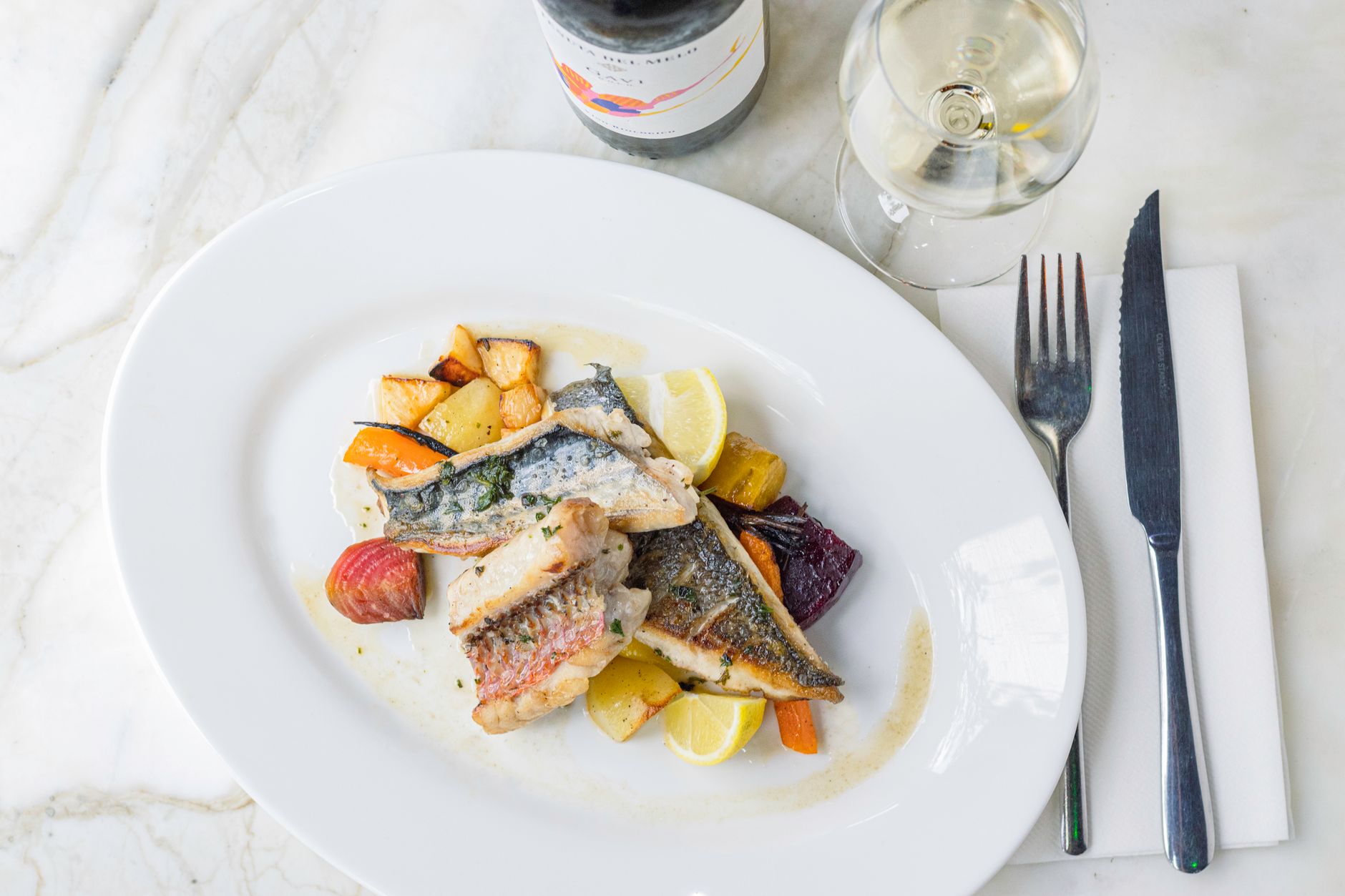
When it comes to cooking, choosing the right type of white wine can elevate your dishes and enhance flavors. From savory sauces to delicate seafood preparations, wine adds depth and complexity. Understanding which white wine to use for cooking can make all the difference.
This article will guide you through the types of white wine suitable for various cooking purposes, the methods of incorporating them, and tips on timing to maximize their flavor contributions.
What Type of White Wine for Cooking?
The primary types of white wine that are best suited for cooking include dry wines, sweet wines, and fortified wines. Each type serves unique purposes depending on the dish and the desired flavor profile. Generally, opt for dry white wines over sweet ones for most savory dishes.
Common choices include Sauvignon Blanc, Chardonnay, Pinot Grigio, and white wines like Vermouth. Knowing when and how to use each of these wines enhances your cooking significantly.
Types of White Wine for Cooking
1. Dry White Wines
Dry white wines are often the most versatile choice for cooking. They offer balanced acidity and can complement a range of ingredients. Here are a few popular options:
- Sauvignon Blanc: A crisp and refreshing wine with herbal notes, it’s ideal for seafood, chicken, and vegetable dishes.
- Chardonnay: This wine can be oaked or unoaked, with the latter being better for cooking due to its crispness. Use it for creamy sauces or risottos.
- Pinot Grigio: Light and zesty, it’s excellent for light pasta dishes, salads, and seafood.
2. Sweet White Wines
Sweet white wines can add a richer flavor, but they can overpower more delicate dishes. Use them sparingly or in specific recipes:
- Riesling: Best used in Asian-inspired dishes or when deglazing pans, it adds sweetness and acidity.
- Moscato: Its floral notes make it a unique choice for fruity sauces and desserts.
3. Fortified Wines
Fortified wines like Vermouth and Sherry can bring a complex layer to your cooking, often used in sauces or stews:
- Dry Vermouth: Great for deglazing pans and enriching sauces, giving depth without overpowering other flavors.
- Sherry: Its nutty characteristics enhance soups, sauces, and gravies, making it a valuable ingredient in both Spanish and Mediterranean cooking.
How to Use White Wine in Cooking
Cooking Techniques That Incorporate White Wine
White wine can be used in various techniques, each affecting the final flavor differently. Here are some methods:
1. Deglazing
Deglazing is a technique used after sautéing meats or vegetables in which a small amount of wine is added to a hot pan to lift the flavorful browned bits from the bottom. This forms the base for sauces. Use about ½ cup of wine for every 2 servings of meat.
2. Marinating
Marinating proteins in a mixture that includes white wine can help tenderize the meat while adding flavor. Combine equal parts wine and oil with herbs and spices for marinating. The marinating time can vary based on the protein type:
- Fish: 30 minutes
- Poultry: 1-2 hours
- Pork/Beef: 2-4 hours
3. Braising
Braising involves cooking food slowly in a small amount of liquid. Adding white wine to the braising liquid infuses the dish with complexity. Typically, use about 1 cup of white wine for every 4 servings of meat.
4. Sauces
White wine can serve as a primary flavor in sauces. Consider the following classic sauce applications:
- White Wine Cream Sauce: Use white wine as the base before adding cream for a rich pasta sauce.
- Beurre Blanc: A white wine and butter sauce often served with fish.
Timing and Temperature Considerations
When using white wine in cooking, the timing of when you add it can affect the dish’s final flavor. Here are some tips:
- Add wine early in the cooking process when making sauces to allow the alcohol to evaporate and the flavors to meld.
- For flavor retention, add white wine closer to the end of cooking when preparing soups or stews, allowing just enough time for it to infuse.
- When deglazing, ensure the pan is hot to quickly sear off the wine’s alcohol, leaving concentrated flavors behind.
Common Mistakes When Using White Wine in Cooking
Though adding white wine to your cooking can enhance flavors, there are some common pitfalls to be aware of:
1. Using Low-Quality Wine
Cheap wines can impart unpleasant flavors to your dishes. It’s advisable to use a wine you would also enjoy drinking, as its flavors will intensify in cooking.
2. Adding Wine Too Late
Failing to incorporate white wine early enough may lead to a lack of depth in flavor as the alcohol does not have sufficient time to evaporate.
3. Overpowering the Dish
Adding too much wine can overwhelm the other flavors. Follow recommended measurements and taste as you go to maintain balance.
Practical Substitutions for White Wine in Cooking
Sometimes, you may find yourself without white wine when a recipe calls for it. Here are some effective substitutions:
1. White Wine Vinegar
This can substitute white wine at a ratio of 3:1, as it has a sharper flavor. Dilute it with water for the best results.
2. Chicken or Vegetable Broth
Broth adds flavor without acidity; use it in equal amounts to replace wine.
3. Lemon Juice and Water
A mixture of lemon juice and water can simulate some acidity. Use one part lemon juice to two parts water to match the wine’s taste.
Cooking with White Wine: Serving Suggestions
White wine cooking techniques often complement specific dishes. Here are meaningful pairing suggestions:
1. Seafood Dishes
Pair lighter whites like Sauvignon Blanc with dishes like shrimp scampi or grilled fish. The acidity balances the richness of the seafood.
2. Creamy Sauces
Chardonnay works beautifully with creamy sauces, enhancing pasta and poultry dishes with rich textures.
3. Vegetable Sauté
Deglaze with white wine after sautéing seasonal vegetables to create an aromatic side dish, balancing flavors with a splash of acidity.
Storage and Reheating Guidance
When using wine in cooking, storing leftovers properly ensures the best quality upon reheating:
1. Storage
- Store any leftover wine used in cooking in the refrigerator, sealed tightly. Use it within 3-5 days for optimal freshness.
- To save time, keep small jars of your most-used cooking wines handy for quick access.
2. Reheating
When reheating dishes with wine, do so gently over low heat to preserve the flavors. Avoid boiling, which can create a bitter taste.
Conclusion
Understanding what type of white wine for cooking can transform your culinary creations, adding depth and flavor to a variety of dishes. Whether using it for marinades, deglazing, or making sauces, having a selection of wines on hand will enhance your cooking experience.
Next time you prepare a meal, consider incorporating a good quality white wine for a significant flavor boost. It may just become a go-to ingredient in your kitchen.
For more recipes that may inspire you, explore our articles on Marsala Sauce or check out our Shrimp Scampi Recipe without Wine. Enjoy discovering the versatility of cooking with wine!