
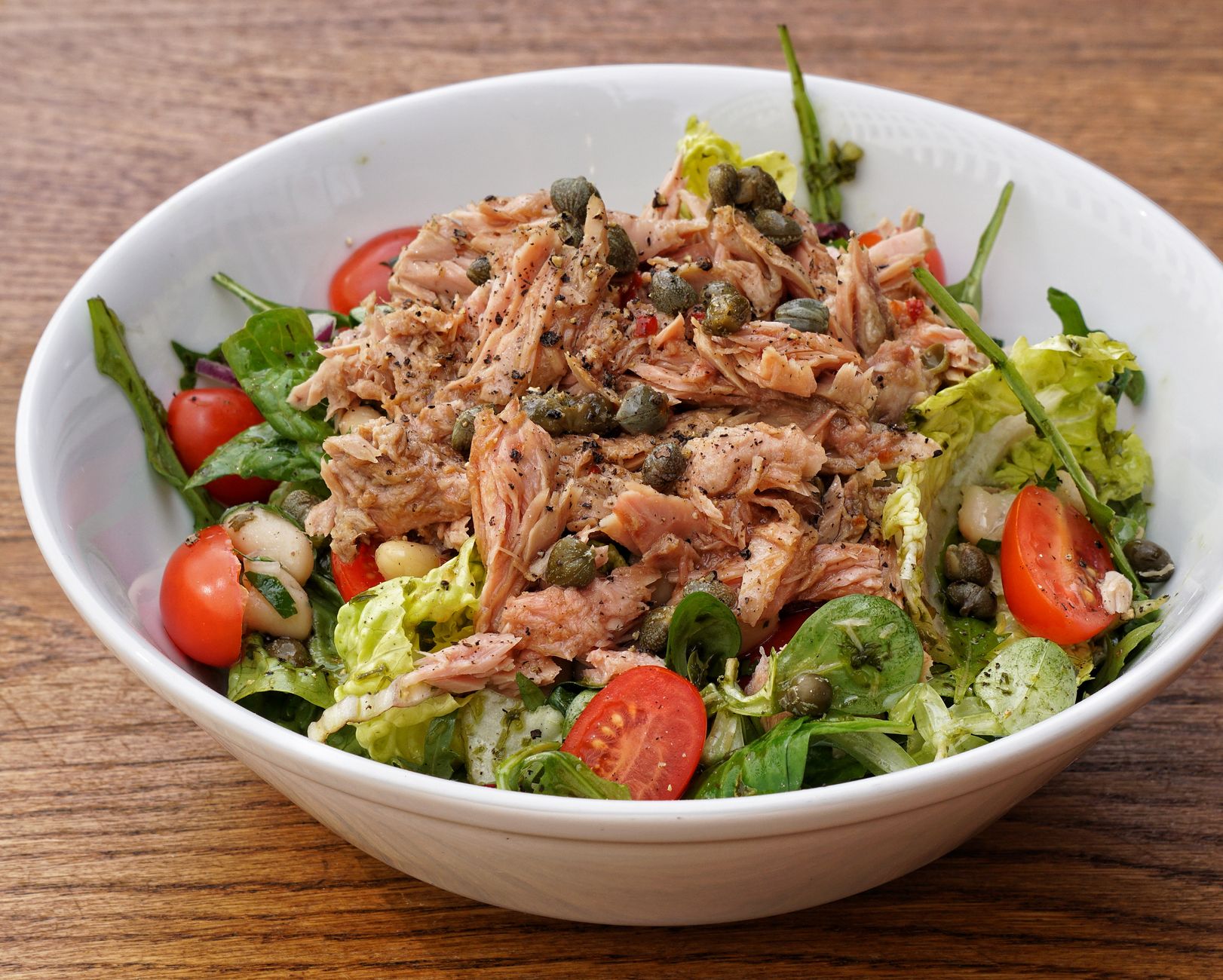
Capers are tiny, green flower buds that are commonly used in Mediterranean cuisine. They are known for their intense briny flavor, which adds a unique tang to a variety of dishes. Capers are often found in pasta sauces, salads, and seafood recipes, enhancing both taste and presentation.
These versatile ingredients come in various sizes and forms, from small to large, and are usually sold pickled in brine or vinegar. Learning about capers can help you elevate your dishes and expand your culinary repertoire.
Capers: What Is It?
Capers are the unopened flower buds of the caper bush (Capparis spinosa), which grows predominantly in Mediterranean regions. When harvested and then pickled, they boast a unique, slightly tangy, and salty flavor profile that can enhance a variety of dishes. Their culinary applications range from garnishing to providing depth in sauces and dressings.
Understanding the Flavor and Varieties of Capers
The flavor of capers can be described as pungent and tangy, making them the perfect addition to a wide array of dishes. Capers are generally categorized into sizes, with smaller capers being more tender and flavorful compared to the larger ones.
Varieties of Capers
- Nonpareil Capers: The smallest and most prized variety, known for their strong flavor.
- Capote Capers: Larger than nonpareil but with a milder taste, used in various recipes.
- Colossal Capers: The largest size, often used as a garnish due to their visual appeal.
How Are Capers Processed?
Capers are harvested when they are still unopened buds and are then typically pickled to preserve their flavor. The process of pickling involves soaking the capers in a solution of brine or vinegar, which helps to develop their tangy taste and ensures longevity. Understanding this process can give you insight into their unique flavor and texture.
Culinary Uses of Capers
Capers can be utilized in diverse ways across various cuisines. Their bold flavor profile allows them to shine in both simple and complex dishes.
Pasta Dishes
Capers add a delightful contrast to pasta dishes, particularly in seafood-based recipes like puttanesca sauce. Their brininess complements the acidity of tomatoes, creating a well-rounded flavor.
Salads
Adding capers to salads can elevate the dish significantly. They work well in Mediterranean salads, providing a burst of flavor that pairs beautifully with olives and feta cheese.
Meat and Fish
Capers can enhance the flavor of grilled or roasted meats, particularly chicken and fish. They are commonly used in sauces, such as piccata, where their unique tanginess cuts through the richness of the dish.
Dips and Spreads
Capers can also be pureed into dips, like tapenade, which combines olives, capers, and olive oil. This creates a flavorful spread that enhances sandwiches or serve as an appetizer.
How to Use Capers in Cooking
Using capers in your cooking is relatively straightforward. Here are some simple guidelines:
- Rinsing: Always rinse capers before using them to reduce their saltiness, especially if they are packed in brine or salt.
- Chopping: For intense flavor distribution, chop capers finely before incorporating them into dishes.
- Flavor Companions: Capers pair well with lemon, garlic, and fresh herbs like parsley and dill. Use these ingredients to enhance the overall taste.
Capers Substitutes
If you find yourself without capers, there are several alternatives that can help replicate their tangy flavor when cooking.
- Green Olives: Chopped green olives can provide similar brininess with a slightly different flavor.
- Pickles: Chopped pickles can serve as a substitute in a pinch, though they may add some sweetness.
- Anchovies: For a fishier flavor profile, anchovies can mimic the saltiness of capers.
Common Cooking Mistakes with Capers
There are a few mistakes that home cooks often make when using capers. Understanding these can help you achieve the best results.
Using Too Many Capers
Since capers have a strong flavor, using too many can overpower your dish. Use them sparingly and taste as you go.
Skipping Rinsing
Not rinsing capers can lead to dishes that are overly salty. Always rinse to balance the flavors.
Storage and Shelf Life of Capers
Proper storage of capers can help maintain their flavor and longevity. Here’s how to store them effectively:
- Unopened jars: Store in a cool, dark place. They can last for a couple of years.
- Opened jars: Keep refrigerated after opening. They are best consumed within one year for optimal freshness.
- Dried Capers: Keep in an airtight container in a cool, dark place; use within a few months for the best quality.
A Brief Overview of Capers in Cuisine
Besides Mediterranean cuisine, capers can occasionally be found in other global dishes, particularly in regional variations of sauces and dressings. Their assertive flavor allows them to transition seamlessly between different culinary styles, appealing to various palates.
Capers in Mediterranean Cuisine
Capers are quintessential in Mediterranean cuisine, contributing depth to dishes like Greek salads and classic Italian sauces. They can be found in finely chopped form in puttanesca sauce or whole in piccata, showcasing their versatility.
Capers Across the Globe
While capers are primarily associated with Mediterranean cuisine, they can also be spotted in some Asian and American dishes. Their brackishness can add zest to a wide variety of flavor profiles.
Health Considerations
Capers are low in calories yet packed with flavor, making them a favored ingredient for those looking to enhance their meals without adding extra calories. However, they are high in sodium, which means moderation is key for those monitoring their salt intake.
Potential Health Benefits
While more research is needed, capers contain antioxidants and may offer some anti-inflammatory benefits, making them a worthy addition to a balanced diet. They also provide a unique means to introduce flavors into health-conscious dishes.
Final Thoughts on Using Capers
Capers are an incredibly versatile ingredient that every home cook should consider adding to their pantry. Their distinctive flavor can enhance an array of dishes, from pasta to dips. With the right knowledge of usage and storage, capers can elevate your cooking and provide a delightful culinary experience.
As you incorporate capers into your cooking, remember to experiment with flavor combinations that complement their unique profile. Happy cooking!
For more food inspiration, be sure to explore related recipes, cooking tips, and food guides to expand your culinary knowledge.