
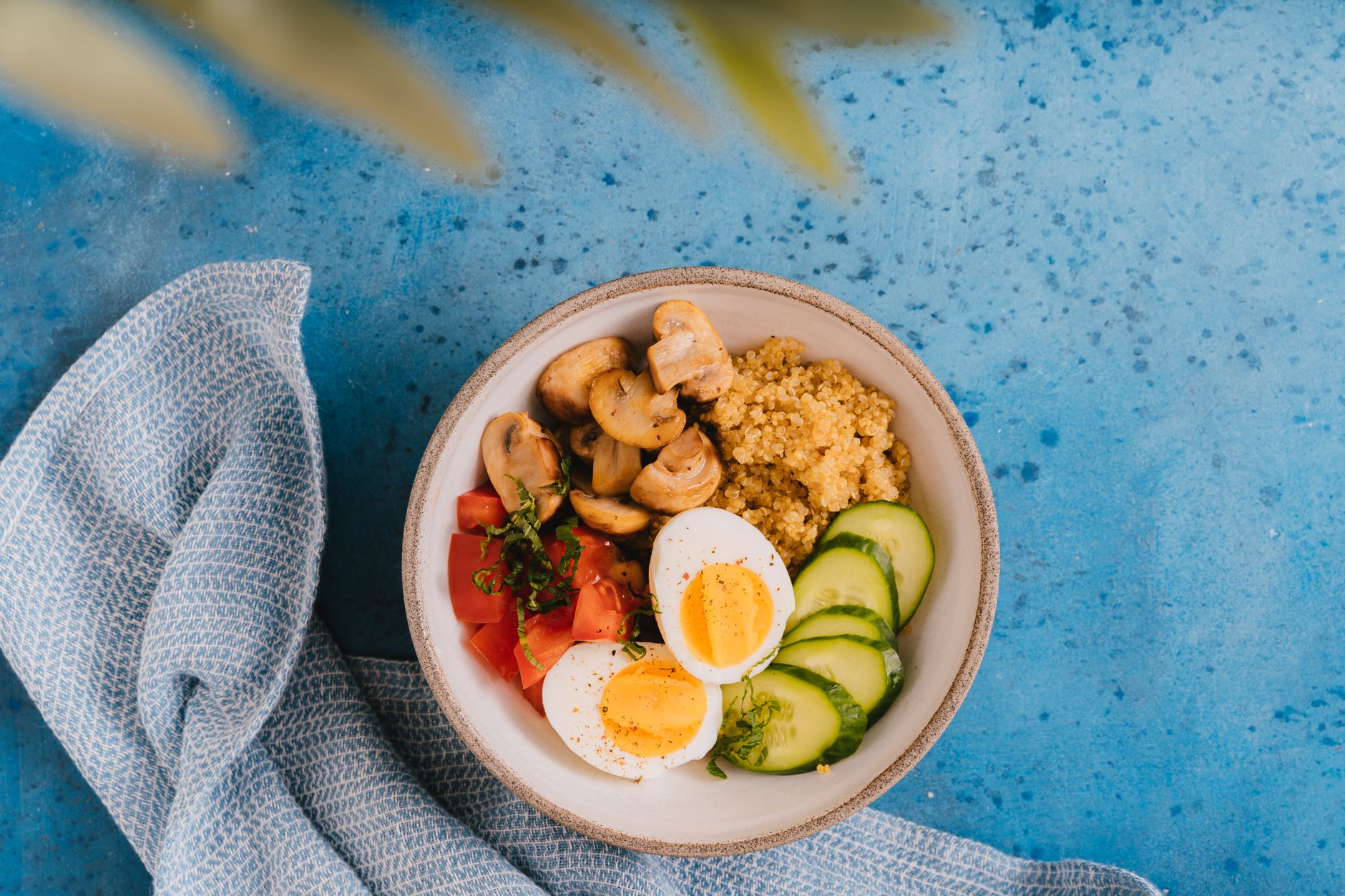
Quinoa is often hailed as a superfood, but many people wonder whether it qualifies as a complex carbohydrate. This article will tackle that question, looking closely at what quinoa is, its nutritional profile, and how it fits into a balanced diet. Whether you are cooking quinoa for the first time or simply curious about its benefits, this guide will provide you with comprehensive insights.
Before diving into the complexities of quinoa, it’s essential to clarify what constitutes a complex carbohydrate. Distinguishing between simple and complex carbs can enhance your understanding of nutrition, particularly if you are looking to make informed dietary choices. This article will also cover cooking techniques, serving sizes, and creative ways to incorporate quinoa into your meals.
Is Quinoa a Complex Carb?
Yes, quinoa is classified as a complex carbohydrate. Unlike simple carbohydrates, which are quickly digested and can cause spikes in blood sugar, complex carbohydrates are composed of longer chains of sugar molecules. This structure means they are digested more slowly, providing a steadier release of energy. Quinoa not only serves as a source of complex carbohydrates, but it is also rich in protein and essential nutrients, making it a nutritious food choice.
What Makes Quinoa Unique?
Quinoa stands out among grains for several reasons:
- Complete Protein: Unlike most plant foods, quinoa contains all nine essential amino acids, making it a complete protein source.
- Gluten-Free: It is naturally gluten-free, making it an excellent option for those with gluten intolerance or celiac disease.
- Rich in Nutrients: Quinoa is high in fiber, vitamins, and minerals, including magnesium, iron, and B vitamins.
Nutritional Profile of Quinoa
Here’s a closer look at the nutrition facts for a typical cooked serving of quinoa (1 cup, or 185 grams):
- Calories: Approximately 222
- Protein: 8 grams
- Fat: 4 grams
- Carbohydrates: 39 grams
- Fiber: 5 grams
- Iron: 15% of the Recommended Daily Value (DV)
- Magnesium: 30% of the DV
These figures indicate that quinoa is a substantial source of energy, primarily from carbohydrates, while also providing an impressive amount of protein and fiber, contributing to its status as a complex carbohydrate.
Cooking Quinoa: Techniques and Tips
Cooking quinoa may seem straightforward, but there are some key techniques to ensure the best texture and flavor. Here’s a step-by-step guide:
- Rinse the Grains: Quinoa has a natural coating called saponin that can impart a bitter taste. Rinse the quinoa thoroughly under cold water using a fine-mesh strainer.
- Cook with the Right Ratio: Use a ratio of 2 cups of water or broth to 1 cup of quinoa.
- Bring to a Boil: In a medium-sized saucepan, bring the water or broth to a boil.
- Add Quinoa: Stir in the rinsed quinoa and return to a boil.
- Simmer: Reduce the heat to low, cover, and let it simmer for about 15 minutes, or until the liquid is absorbed.
- Rest: Remove from heat and let it sit, covered, for an additional 5 minutes. This allows the grains to steam.
- Fluff: Use a fork to fluff the quinoa before serving. This will separate the grains and prevent clumping.
Serving Sizes for Quinoa
The recommended serving size for quinoa is about 1 cup cooked. Depending on your dietary needs, you may adjust this portion:
- Side Dish: Serve 1/2 cup cooked quinoa alongside vegetables or protein.
- Main Dish: Utilize 1 cup as a base for salads or grain bowls.
- Bowl Meal: Combine quinoa with various toppings, proteins, and sauces to create a hearty meal.
Health Benefits of Including Quinoa in Your Diet
Including quinoa in your meals comes with a variety of health benefits:
- Digestive Health: The fiber content aids in digestion and promotes gut health.
- Balanced Blood Sugar: As a complex carbohydrate, quinoa helps stabilize blood sugar levels, which is beneficial for those managing diabetes.
- Weight Management: Quinoa is nutrient-dense and fulfilling, helping curb hunger and support weight loss efforts.
Meal Planning with Quinoa
Quinoa is versatile and can be incorporated into various meals throughout the day:
Breakfast
Consider using quinoa as a healthy base for breakfast bowls. Combine cooked quinoa with almond milk, nuts, fruits, and a sprinkle of cinnamon for a wholesome morning meal.
Lunch
Add quinoa to salads for added texture and flavor. It pairs well with various dressings, vegetables, and proteins, making it an excellent lunch option.
Dinner
Use quinoa as a substitute for rice or pasta in dinner recipes. Pair it with roasted vegetables, grilled chicken, or tofu for a balanced meal.
Snacks
Try quinoa snacks such as quinoa crackers or energy bars, which provide a nutritious boost between meals.
Popular Quinoa Recipes
Here are a couple of popular recipes featuring quinoa:
Quinoa Salad
- Ingredients:
- 1 cup cooked quinoa
- 1/2 cup chopped cucumber
- 1/2 cup cherry tomatoes, halved
- 1/4 cup red onion, diced
- 1/4 cup feta cheese, crumbled
- 2 tbsp olive oil
- 1 tbsp lemon juice
- Salt and pepper to taste
- Instructions:
- In a large bowl, combine cooked quinoa, cucumber, tomatoes, onion, and feta cheese.
- Drizzle with olive oil and lemon juice, mixing gently to combine.
- Season with salt and pepper to taste, then serve chilled.
Stuffed Peppers
- Ingredients:
- 4 bell peppers, halved and seeded
- 2 cups cooked quinoa
- 1 cup black beans, drained and rinsed
- 1 cup corn kernels
- 1 tsp cumin
- 1 tsp chili powder
- 1 cup shredded cheese (optional)
- Instructions:
- Preheat oven to 375°F (190°C).
- In a bowl, mix together quinoa, black beans, corn, cumin, and chili powder.
- Stuff the mixture into the halved bell peppers.
- Arrange the peppers in a baking dish and sprinkle cheese on top if using.
- Bake for 25-30 minutes, until peppers are tender and cheese is bubbly.
Common Questions About Quinoa
Can quinoa be eaten raw?
Raw quinoa should not be consumed due to the presence of saponins. Always cook quinoa before eating to eliminate these compounds and improve digestibility.
How should quinoa be stored?
Store uncooked quinoa in an airtight container in a cool, dry place. Cooked quinoa can be refrigerated in a sealed container for up to five days or frozen for longer-term storage.
Common Mistakes When Cooking Quinoa
Here are some frequent errors people make when cooking quinoa, along with troubleshooting tips:
- Not Rinsing: Failure to rinse quinoa can lead to a bitter flavor. Always rinse under cold water before cooking.
- Using Too Much Water: Using too much water can result in mushy quinoa. Stick to the 2:1 ratio of liquid to quinoa.
- Overcooking: This can cause quinoa to lose its texture. Check for doneness around the 15-minute mark.
Make-Ahead and Reheating Guidance
Quinoa can be prepped ahead of time and stored in the refrigerator for quick meals. For reheating, add a splash of water and microwave for one minute, stirring halfway through, until heated through. It can also be sautéed in a pan to restore some texture.
Final Thoughts on Quinoa
Quinoa is indeed a complex carbohydrate packed with nutrition, offering both the energy needed for daily life and the protein essential for muscle health. Its versatility in the kitchen makes it an excellent option for various meals, diets, and preferences.
Whether you add it to salads, incorporate it into breakfast bowls, or use it as a substitute for traditional grains, you’ll find numerous ways to enjoy quinoa while reaping its health benefits. To kick off your quinoa adventure, consider trying the recipes mentioned above.
For more cooking tips or delicious variations, feel free to explore this chia pudding recipe or learn how long chia seeds should soak. Happy cooking!