
The culinary world often blends terms, leading to confusion over similar products. Jam and preserves, for instance, are two delightful spreads commonly found in kitchens, yet they exhibit distinct characteristics. Understanding these differences can enhance your culinary experience, guiding you in selecting the right ingredient for your recipe or breakfast table.
While both jam and preserves stem from fruit, sugar, and pectin, their preparation methods and textures set them apart. We’ll explore these key differences, their suitable uses in cooking and baking, and suggestions for substitutes if you find yourself running low on either spread.
What Is The Difference Between Jam And Preserves?
The primary difference between jam and preserves lies in their texture and fruit content. Jam is made by cooking fruit and sugar to create a smooth, spreadable consistency, often including puréed fruit. Preserves, on the other hand, contain larger chunks or whole pieces of fruit in a sweet syrup, giving them a thicker texture. Both serve as delightful toppings for toast, pancakes, and desserts, but their varying consistencies affect their use in different dishes.
Key Characteristics of Jam
Jam is typically made from crushed or puréed fruit mixed with sugar and pectin. This combination is cooked until it reaches a thick, spreadable consistency. The result is a smooth texture that easily spreads on bread and pastries while maintaining the fruit flavor.
- Texture: Smooth and spreadable
- Common Fruits: Strawberries, raspberries, blueberries, apricots
- Uses: Sandwiches, pastries, desserts, toppings for yogurt
Key Characteristics of Preserves
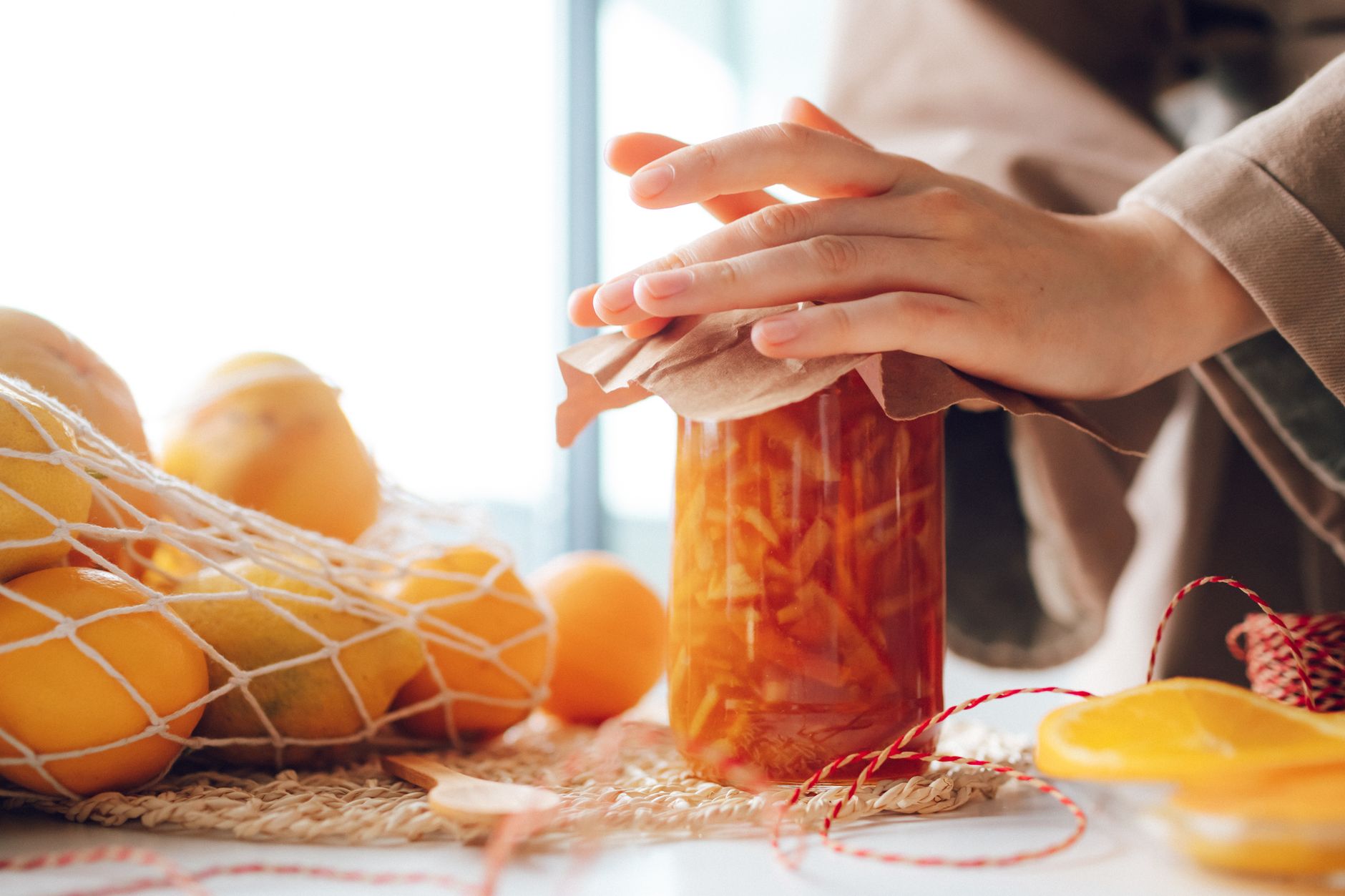
Preserves are also made from fruit, sugar, and pectin but differ in preparation. The fruit is left in larger pieces, creating a chunky texture. This preserves the fruit’s shape and provides delightful bursts of flavor with each bite.
- Texture: Chunky, with whole or large pieces of fruit
- Common Fruits: Peaches, cherries, figs, mixed berries
- Uses: Cheese boards, topping for desserts, incorporation in baking
Flavor Profiles: Jam vs. Preserves
When it comes to flavor, both jam and preserves deliver a sweet, fruity taste, but their flavor profiles can differ slightly due to their textures and fruit types. Jam often has a more uniform flavor since the fruit is puréed. This results in a consistent sweetness throughout.
Preserves, with their larger fruit pieces, can provide varied bites of sweetness and tartness, offering a more complex flavor experience. The whole fruit also contributes to a fresher taste, emphasizing the fruit’s natural flavors.
Common Uses for Jam
Given its smooth texture, jam is widely versatile in both sweet and savory dishes. Here are some common uses:
- Spreads: Perfect for spreading on toast, bagels, or scones.
- Filling: Used as a filling in pastries, cakes, and crêpes.
- Topping: Great on pancakes, waffles, or ice cream.
- Marinades: Can be used to add sweetness to marinades for meats.
Common Uses for Preserves
Preserves shine in applications where fruit presence is desired. Their chunkiness adds texture and visual appeal to dishes. Consider these uses:
- Cheese Boards: Excellent paired with cheeses, enhancing both flavor and presentation.
- Baking: Can be swirled into muffin batter, cheesecake, or pastries.
- Breakfast: Spoon over yogurt or oatmeal for added flavor and texture.
- Glazes: Use as a glaze for meats or vegetables for a sweet caramelized finish.
How to Choose Between Jam and Preserves
Choosing between jam and preserves depends on the dish you are preparing, personal preference, and occasion. If you want a smooth, sweet spread for breakfast or baking, jam is the way to go. For dishes where you prefer a burst of fruit flavor and texture, opt for preserves.
Consider your audience as well. For children, a smooth, sweet jam might be more appealing, while adults may appreciate the complex flavors found in preserves. Overall, both can enhance your meals, serving unique purposes in your kitchen.
Substituting Jam and Preserves
When you find yourself short of jam or preserves, there are notable alternatives that can be used without significantly altering the dish.
Substitutions for Jam
- Puréed Fruit: Use fresh or frozen fruit blended until smooth, sometimes with a little sugar to mimic sweetness.
- Fruit Syrup: A sweetened syrup made from cooked fruit can work well.
- Fruit Butter: Fruit butters like apple or pumpkin butter can add a smooth texture and concentrated flavor.
Substitutions for Preserves
- Chutney: A savory or sweet chutney can provide a similar texture with a more complex flavor profile.
- Fruit Compote: Cooked fruit with sugar that can serve as a generous topping.
- Whole Fruit in Syrup: Canned fruit in syrup can be a last-minute stand-in in some recipes.
Making Your Own Jam and Preserves
Both jam and preserves can easily be made at home with simple ingredients. Here’s a brief guide on how to make both:
Basic Jam Recipe
- Ingredients:
- 4 cups of fruit (e.g., strawberries)
- 2 cups of sugar
- 1/4 cup of lemon juice
- 1 packet (1.75 oz) pectin
- Method:
- Prepare jars by sterilizing them in boiling water and keep warm.
- In a large pot, combine the fruit, sugar, and lemon juice. Stir until the sugar is dissolved.
- Add pectin and bring the mixture to a rolling boil, stirring frequently.
- Boil for about 10 minutes, or until the jam reaches the desired thickness.
- Pour the hot jam into prepared jars, seal, and process in a boiling water bath for 10 minutes.
- Let cool completely before storing.
Basic Preserves Recipe
- Ingredients:
- 4 cups of fruit (e.g., peaches, chopped)
- 2 cups of sugar
- 1/4 cup of lemon juice
- Method:
- Prepare jars by sterilizing them and keeping them warm in boiling water.
- In a large pot, combine the fruit, sugar, and lemon juice. Let sit for about an hour to draw out juices.
- Bring the mixture to a boil, stirring constantly to dissolve sugar.
- Boil until the mixture thickens and fruit becomes transparent (about 20 minutes).
- Pour into sterilized jars, seal, and process in a boiling water bath for 10 minutes.
- Allow to cool and store when fully sealed.
Common Mistakes When Making Jam and Preserves
Making jam and preserves may seem straightforward, but common mistakes can affect the outcome:
- Incorrect Pectin Use: Using the wrong amount or type of pectin can lead to improper gelling.
- Not Prepping Jars Properly: Unsterilized jars can lead to spoilage and contamination.
- Ignoring Fruit Ripeness: Using overly ripe or underripe fruit can alter both flavor and texture.
- Boiling Too Long: Overcooking can result in a thick, caramelized product that isn’t spreadable.
Storing Jam and Preserves
Proper storage is key to prolonging the shelf life of your homemade or store-bought jam and preserves. Here are some guidelines:
- Unopened Jars: Store in a cool, dark place (like a pantry) for up to a year.
- Opened Jars: Refrigerate after opening and consume within a few weeks, typically two to three months.
- Freezing: Jam and preserves can be frozen for longer storage. Make sure to leave headspace in jars for expansion during freezing.
Conclusion
Understanding the difference between jam and preserves can elevate your culinary creations, allowing you to select the right texture and flavor for your dishes. With their various uses, both spreads can enhance your breakfasts, desserts, and beyond. With the knowledge of how to make them and which substitutes work in a pinch, you’re equipped to enjoy these sweet delights in numerous ways.
Explore more recipes and tips to enhance your culinary adventures, including our quince jam recipe and strawberry preserves recipe.