
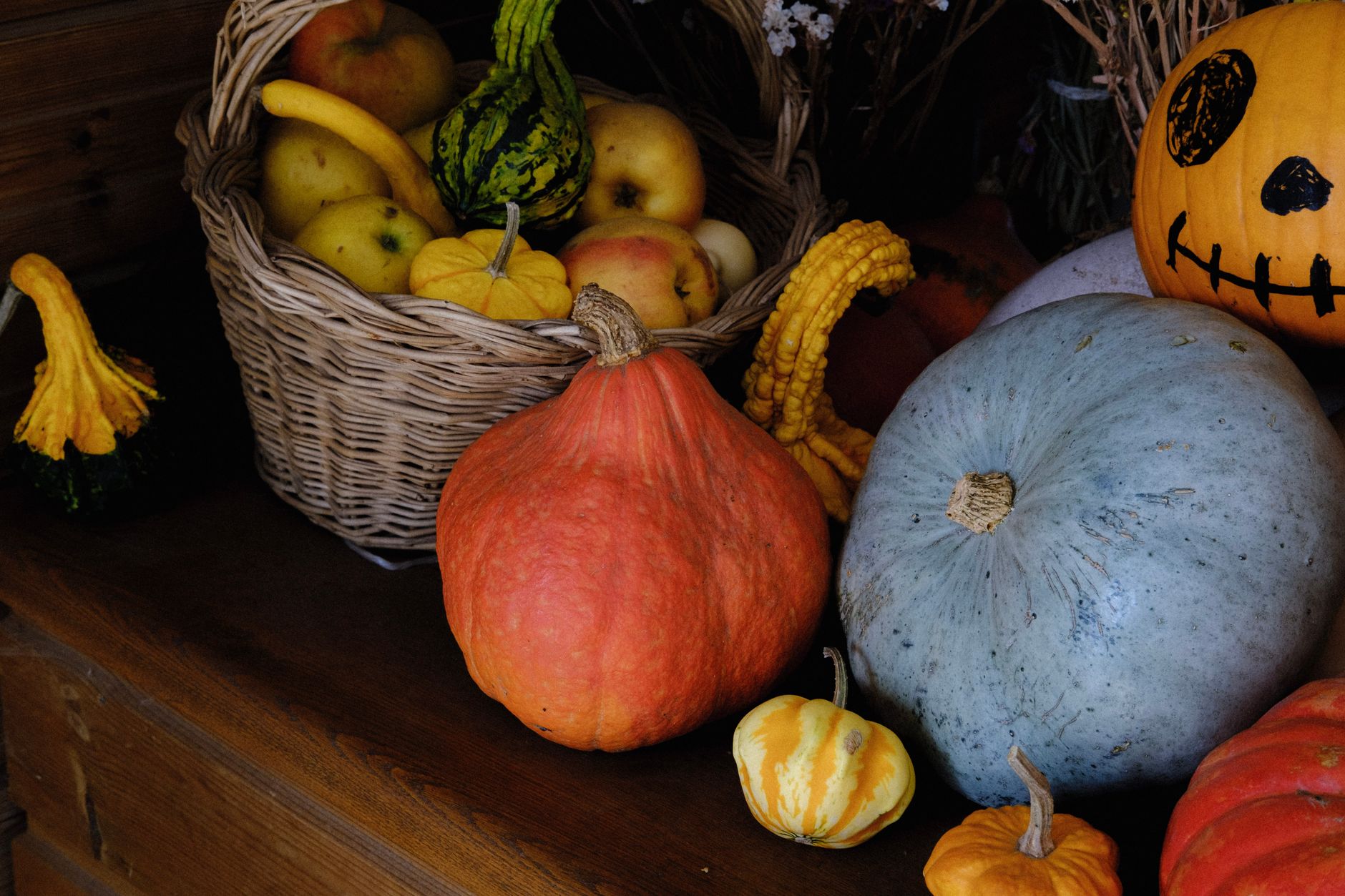
Pumpkins are ubiquitous in autumn, gracing tables, porches, and recipes alike. Yet a pertinent question often arises for home cooks and gardeners: is a pumpkin a fruit or a vegetable?
The answer, surprisingly to some, is that pumpkins are classified as fruits. They develop from the flower of the pumpkin plant and contain seeds, which fits the botanical definition of fruit. However, culinary practices often treat them as vegetables. Let’s explore this fascinating topic and discover the culinary uses, classifications, and some delicious pumpkin recipes.
Is a Pumpkin Fruit or Vegetable?
Pumpkins are botanically classified as fruits because they fit the scientific criteria: they grow from the flowering part of the plant and encapsulate seeds. This means they fulfill the role of a fruit in the plant’s reproductive process. However, in cooking and culinary contexts, pumpkins are often categorized as vegetables due to their savory flavor profile and cooking applications.
This duality leads to some confusion, but understanding both perspectives deepens our appreciation for this versatile ingredient. Now, let’s investigate how to best utilize pumpkins in the kitchen.
Culinary Characteristics of Pumpkins
When considering pumpkin in the kitchen, it’s essential to understand its flavor, texture, and nutritional profile:
- Flavor: Pumpkins have a mildly sweet and earthy flavor profile. This quality allows them to blend well in both savory and sweet dishes.
- Texture: When cooked, pumpkins yield a smooth and creamy texture, making them perfect for soups, purees, and baked goods.
- Nutritional Profile: Pumpkins are rich in vitamins A and C and are a good source of fiber. They are low in calories, making them a wholesome addition to various dishes.
Common Uses of Pumpkins in Cooking
Given their versatile characteristics, pumpkins can be used in a myriad of ways. Here are some popular culinary applications:
1. Soups and Stews
Pumpkins make a great base for soups and stews. Their creamy texture allows for luscious purees that can be seasoned with spices like nutmeg, cinnamon, or ginger for a warm flavor. A classic pumpkin soup paired with a drizzle of cream can be comforting during colder months.
2. Baking
Pumpkins are often used in baking, particularly in pies, muffins, and breads. The natural sweetness and moistness add depth to baked goods. Pumpkin bread, for instance, is a seasonal favorite that benefits from the vegetable’s unique flavor and texture.
3. Roasting
Roasting pumpkin cubes enhances their sweetness and allows them to caramelize, imparting a wonderful depth of flavor. Roasted pumpkin can be added to salads or served as a side dish.
4. Stuffing and Filling
Mashed pumpkin can serve as a filling, in ravioli or empanadas, or even stuffed into other vegetables like squash. Combining it with cheese and spices creates a hearty, flavorful stuffing.
How to Choose the Right Pumpkin
When selecting a pumpkin, consider the following tips:
- Type: For cooking, choose smaller pumpkins like sugar pumpkins or pie pumpkins, as they have a better flavor and texture for culinary use than larger, decorative pumpkins.
- Appearance: Look for pumpkins that are firm and heavy for their size, with a smooth, unblemished skin.
- Color: A rich, deep orange color often indicates ripeness and sweetness, though some varieties come in different colors.
Preparing and Cooking with Pumpkin
Once you have your pumpkin, proper preparation is key. Here are some steps to get you started:
1. Cleaning and Cutting
- Start by washing the exterior under running water to remove dirt.
- Use a sharp knife to cut the pumpkin in half. Be cautious as the skin can be tough.
- Scoop out the seeds and stringy insides using a spoon.
- Cut the pumpkin into smaller segments for easier cooking or roasting.
2. Cooking Methods
There are several methods to cook pumpkin:
- Boiling/Steaming: Peel and cube the pumpkin, then boil or steam until tender. This method softens the pumpkin for pureeing.
- Roasting: Toss pumpkin cubes in olive oil and seasonings and roast at 400°F (200°C) for about 25-30 minutes or until caramelized.
- Baking: Halve the pumpkin, place it cut side down in a baking dish, and bake at 375°F (190°C) for about 45-60 minutes until soft.
3. Pumpkin Puree
Homemade pumpkin puree is easy to make:
- Prepare the pumpkin by washing, cutting, and cooking as detailed above.
- Once soft, scoop the flesh into a blender or food processor and blend until smooth.
- Use immediately or store in an airtight container in the refrigerator for up to a week.
Substitutions and Variations
If you cannot find fresh pumpkin, here are some suitable substitutions:
- Canned Pumpkin: A convenient alternative; it’s often more consistent in flavor and texture. Use 1 cup of canned pumpkin for every cup of fresh pumpkin puree.
- Butternut Squash: It has a similar flavor and texture, making it an excellent swap for many pumpkin recipes.
- Sweet Potatoes: While sweeter, they can replace pumpkin in pies and baked goods with some adjustments to sugar levels.
Common Mistakes and Troubleshooting
Even experienced cooks can encounter issues when working with pumpkin. Here are some common pitfalls and how to avoid them:
- Overcooking: Pumpkin can turn mushy if overcooked, especially when boiling. Monitor cook time closely.
- Undercooking: Ensure the flesh is fork-tender for the best consistency when making purees or soups.
- Using Decorative Pumpkins: Always choose culinary pumpkins, as decorative types may have a less desirable flavor profile.
Storage and Preservation
Proper storage extends the shelf life of your pumpkin and maintains its quality:
Fresh Pumpkin Storage
Store uncut pumpkins in a cool, dry place away from direct sunlight for up to three months. Once cut, wrap the pumpkin in plastic wrap and store in the refrigerator for up to a week.
Pumpkin Puree Storage
Refrigerate homemade pumpkin puree in an airtight container for up to a week. For longer storage, consider freezing it in freezer-safe bags or containers, where it can last up to six months.
Canned Pumpkin Storage
Unopened canned pumpkin can last over a year in a cool, dry pantry. Once opened, refrigerate the remaining pumpkin in an airtight container and use within a week.
Delicious Pumpkin Recipes to Try
Now that you understand the culinary prowess of pumpkins, here are some delightful recipes to try:
Classic Pumpkin Soup
This comforting pumpkin soup is smooth, creamy, and bursting with flavor.
Ingredients:
- 1 medium sugar pumpkin, peeled and diced
- 1 onion, chopped
- 2 cloves garlic, minced
- 4 cups vegetable broth
- 1 teaspoon ground cinnamon
- Salt and pepper to taste
- 1 cup heavy cream (optional)
Instructions:
- In a large pot, sauté onion and garlic until translucent.
- Add diced pumpkin, broth, cinnamon, salt, and pepper. Bring to a boil, then simmer until pumpkin is tender.
- Blend until smooth, adding cream if desired. Serve hot with crispy bread.
Pumpkin Bread
This moist and flavorful bread is perfect for breakfast or as a snack.
Ingredients:
- 1 cup pumpkin puree
- 2 cups all-purpose flour
- 1 teaspoon baking soda
- 1/2 teaspoon salt
- 1 teaspoon ground cinnamon
- 1 cup sugar
- 2 eggs
- 1/2 cup vegetable oil
Instructions:
- Preheat the oven to 350°F (175°C).
- In a bowl, mix flour, baking soda, salt, and cinnamon. In another bowl, whisk together sugar, eggs, oil, and pumpkin puree.
- Combine wet and dry ingredients, mixing until just combined. Pour into a greased loaf pan.
- Bake for 60 minutes or until a toothpick comes out clean. Let cool before slicing.
Conclusion
Understanding whether a pumpkin is a fruit or vegetable enhances both your culinary knowledge and cooking creativity. This adaptable ingredient can elevate a wide range of dishes, proving its versatility in the kitchen.
Take some time to explore the many ways to enjoy pumpkins, whether in the form of savory soups or sweet baked goods. Start with a delicious pumpkin soup or some moist pumpkin bread, and embrace the seasonal flavors.
For more pumpkin-related recipes and tips, consider checking out how to freeze pumpkin pie or learn more about pumpkin puree. Explore the world of culinary pumpkins and expand your cooking repertoire!