
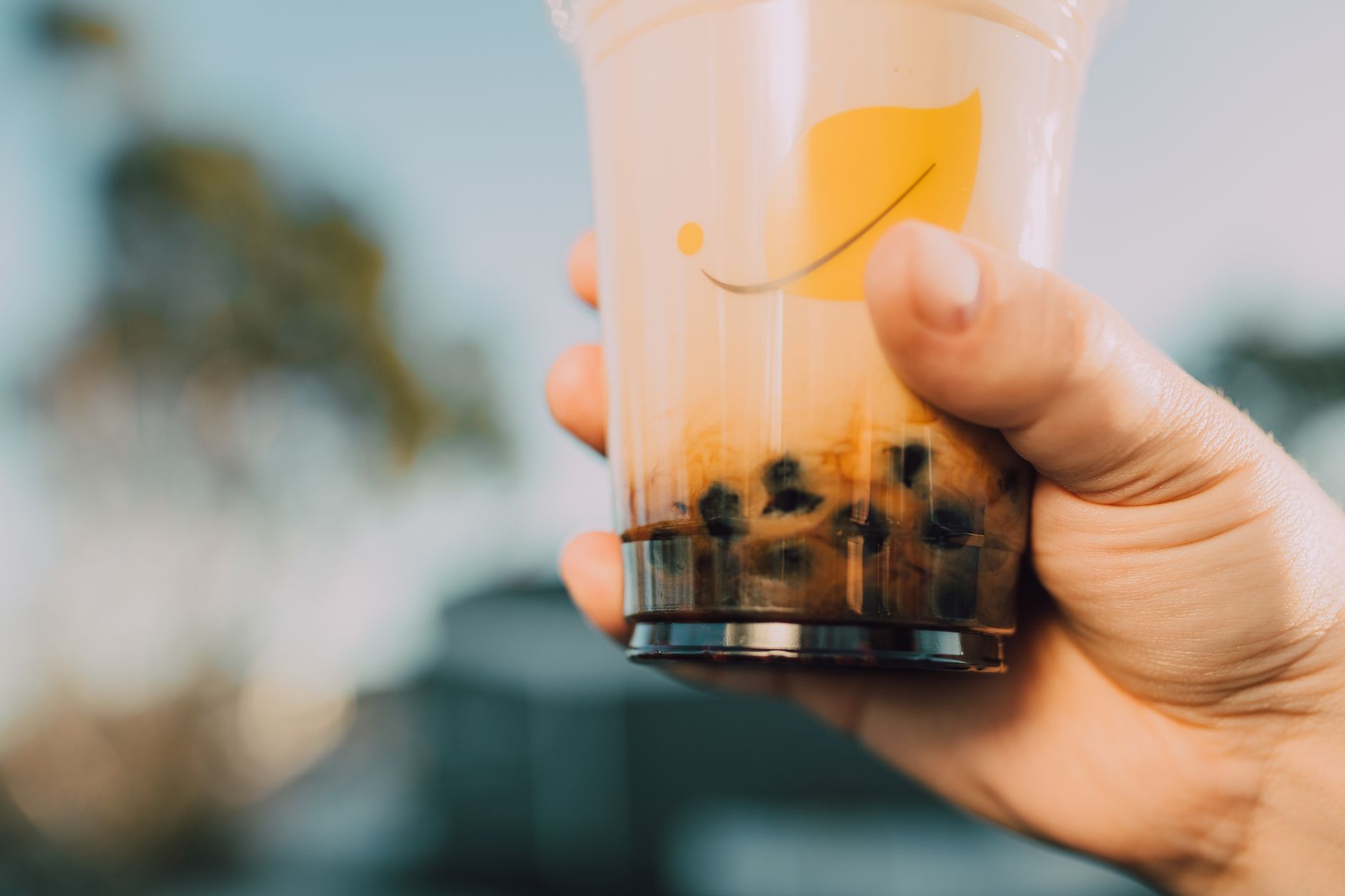
Boba pearls, also known as tapioca pearls, are small, chewy balls made from tapioca starch, which is derived from the cassava root. They are best known for their role in bubble tea, a popular beverage that originated in Taiwan and has gained global popularity. The texture and taste of boba pearls offer a unique sensory experience that complements the drink.
This article will explore what boba pearls are made of, their taste, culinary uses, and some exciting variations. Whether you are new to boba or looking to experiment with these delightful ingredients, this guide covers everything you need to know.
What Are Boba Pearls?
Boba pearls are spherical, chewy pieces of tapioca starch that are often used in drinks, especially bubble tea. Originally popularized in Taiwan during the 1980s, boba pearls have become a global phenomenon, paired with various flavors and ingredients. These pearls are typically dark brown in color and provide a fun contrast to fruity and milky beverages.
Ingredients of Boba Pearls
The primary ingredient in boba pearls is tapioca starch, which is a gluten-free substance derived from the cassava root. Below is a breakdown of the main ingredients:
- Tapioca Starch: The primary ingredient. It gives boba its chewy texture.
- Water: Used to hydrate the tapioca starch, allowing it to form into pearls.
- Sweeteners (optional): Some recipes call for added sugar or sweeteners to enhance taste.
- Food Coloring (optional): Used to impart various colors to the boba pearls.
How Are Boba Pearls Made?
The process of making boba pearls is relatively straightforward, though it requires some technique for perfecting the texture and taste. Here’s an overview of the traditional method:
- Mixing: Combine tapioca starch with warm water and any sweeteners or colorings, mixing until a dough forms.
- Kneading: Knead the dough until it becomes smooth and pliable.
- Shaping: Roll the dough into small, even balls, usually about the size of a marble or cherry.
- Cooking: Boil a large pot of water, add the pearls, and simmer until they float and achieve a chewy consistency, usually around 20-30 minutes.
- Cooling: Remove the pearls and rinse them under cold water to stop the cooking process.
- Storing: Place the cooked boba in a sugar syrup or simple sugar solution to keep them from sticking together.
Taste and Texture of Boba Pearls
Boba pearls have a mild flavor, often enhanced by the sweeteners used in their preparation. Their most distinct characteristic is their unique texture, which is chewy and slightly gummy, creating a satisfying contrast to the liquid in which they are served. When properly cooked, they should have a soft exterior and a chewy center. The balance of these qualities makes boba an enjoyable addition to various beverages and desserts.
Culinary Uses of Boba Pearls
Boba pearls are most famously used in bubble tea, but their culinary versatility extends far beyond that. Here are some of the popular uses of boba pearls in food and beverages:
Bubble Tea
The most well-known use for boba pearls is in bubble tea, also known as pearl milk tea or tapioca tea. This drink typically combines brewed tea (black, green, or herbal) with milk or fruit flavors, ice, and sweeteners. The drink is shaken to create foam and then topped with the chewy boba pearls, making it a fun and interactive experience.
Smoothies and Milkshakes
Boba pearls can be added to smoothies and milkshakes for extra texture. They pair well with various fruit flavors, adding a chewy element to the creamy beverage.
Desserts
In addition to drinks, boba pearls can be incorporated into desserts. They can be used as a topping for shaved ice, a filling for pastries, or even added to yogurt parfaits for a unique twist.
Sweet Sauces
Some culinary creations incorporate boba pearls into sweet sauces or syrups, which can be drizzled onto desserts like pancakes, waffles, or ice cream, adding both flavor and texture.
Variations of Boba Pearls
While traditional boba pearls are made from tapioca starch, several variations exist that offer different flavors, colors, and textures. Here are some popular types of boba pearls:
Flavored Boba Pearls
Some manufacturers produce flavored boba pearls by infusing fruit juices or flavoring extracts into the tapioca mixture. Common flavors include mango, strawberry, and matcha. These flavored pearls add an extra dimension to your beverages, enhancing the overall taste experience.
Clear Boba Pearls
Clear boba pearls, often referred to as “white boba,” are typically made with a similar base but lack artificial coloring. These pearls tend to have a more neutral taste and can be a visually appealing addition to colorful drinks.
Fruit Pudding Boba Pearls
This variation incorporates fruit or jelly-like textures, offering a different mouthfeel. They are often softer than traditional tapioca boba and can be filled with fruit or nutrients, blending the experience of chewy and soft textures.
Storing and Preparing Boba Pearls
Proper storage is crucial to maintain the quality and chewiness of boba pearls. Here’s how to handle them:
Uncooked Boba Pearls
Uncooked boba pearls should be stored in a cool, dry place away from sunlight. They generally have a long shelf life if kept sealed in an airtight container.
Cooked Boba Pearls
Cooked boba pearls should be used within a few hours for the best texture. If you have leftovers, store them in simple sugar syrup (a mixture of water and sugar) in the refrigerator. This will help maintain their chewiness. Reheating cooked boba pearls in boiling water for a few minutes can also refresh them.
Common Mistakes When Cooking Boba Pearls
Cooking boba pearls may seem simple, but there are pitfalls to avoid. Here are common mistakes and how to troubleshoot them:
Overcooking or Undercooking
Overcooking boba pearls can result in a mushy texture, while undercooking them can leave you with a hard center. To ensure perfect chewiness, follow the recommended cooking time and perform the “float test” (they should float to the top when ready).
Not Rinsing Properly
Failing to rinse cooked boba pearls can lead to clumping. Always rinse them under cold water to remove excess starch and create a better texture.
Improper Storage
Storing cooked boba pearls in the refrigerator without sugar syrup will cause them to harden, making them unappetizing. Always store them in sugar syrup to keep them fresh.
Health Considerations
While boba pearls can be a delightful addition to a variety of foods and drinks, it’s vital to enjoy them in moderation. Here are a few points to consider:
- Caloric Content: Boba pearls are rich in carbohydrates and can add extra calories to your drinks. Be mindful of portion sizes if you’re watching your caloric intake.
- Gluten-Free: Boba pearls are gluten-free, making them an excellent choice for those following a gluten-free diet.
- Dietary Fiber: Tapioca does not provide significant nutrients, but if mixed with other ingredients like fruits or proteins, it can contribute to a balanced diet.
Making Boba Pearls at Home
If you want to experiment with making your own boba pearls, here’s a basic recipe you can follow:
Homemade Boba Pearls Recipe
This recipe yields approximately 2-3 servings of boba pearls, depending on how large you make them.
Ingredients
- 1 cup tapioca starch
- 1/3 cup boiling water
- 2 tablespoons brown sugar (optional, for flavor)
Equipment
- Mixing bowl
- Measuring cups and spoons
- Pot for boiling water
- Strainer
Method
- In a mixing bowl, combine tapioca starch and brown sugar (if using).
- Gradually add boiling water to the mixture, stirring with a spoon to form a dough.
- Knead the dough until smooth, adjusting with a little more starch if it’s too sticky.
- Roll the dough into small balls (about 1/4 inch in diameter).
- Boil a pot of water, add boba pearls, and cook for about 20 minutes until they float.
- Drain and rinse under cold water. Optional: soak in sugar syrup for flavor.
Creative Serving Suggestions
Now that you have your boba pearls ready, you can serve them in numerous creative ways. Here are some suggestions to get you started:
Classic Bubble Tea
Combine brewed tea (black or green), milk, ice, and sweetener in a shaker or blender. Pour over ice, add prepared boba pearls, and enjoy with a wide straw.
Boba Smoothie Bowl
Create a smoothie bowl by blending yogurt with frozen fruit of choice, pour into a bowl, and top with fresh fruits, granola, and boba pearls.
Fruit-Infused Drink
Mix sparkling water with fruit juices like pineapple or passionfruit, add boba pearls, and serve chilled as a refreshing beverage.
Conclusion
Boba pearls are a delightful addition to a variety of drinks and desserts, offering an enjoyable texture and versatility. By understanding what they are, how they are made, and the various ways they can be used, you can enhance your culinary experiences. Explore different types of boba pearls and be creative in your drink presentations for friends and family.
If you’re eager to try some delicious drinks, consider checking out the Taro Milk Tea recipe or the refreshing Mango Sago recipe for a twist on traditional bubble tea.